
Trees
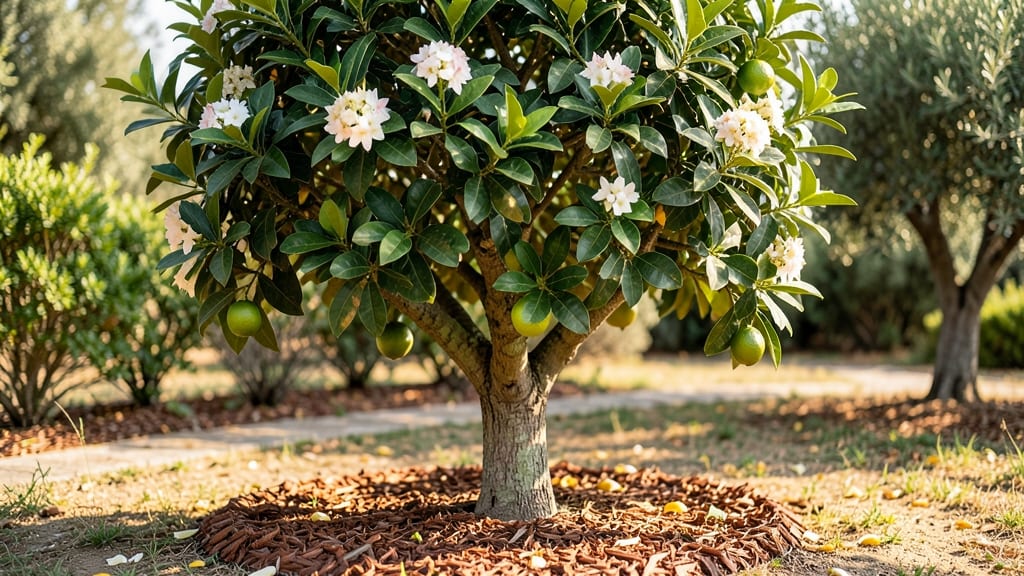
Growing sour orange fruit means year-round harvests of tart, fragrant citrus that outshine store-bought varieties. 🌿 I planted my first tree five years ago after seeing neighbors' fruit drop like gold from the branches—now I can't imagine a kitchen without its bright, tangy flavor in marmalade or fresh slices.
The secret to perfect fruit lies in mimicking its native Mediterranean climate: full sun (8+ hours daily), well-draining soil, and protection from winter chill below 20°F. Even in cooler zones, a large container lets you move it indoors during frost.
Prune lightly in late winter to open the canopy for airflow—this prevents fungal issues and boosts fruit set. By year three, you’ll harvest 50-100 fruits per tree, each packed with vitamin C and aroma that rivals lemons. The first bite is tart but addictive, and the marmalade?
A crowd-pleaser that tastes nothing like store-bought. Patience pays off—these trees take 3-5 years to bear heavily, but once they do, they produce reliably for decades. Common mistakes? Overwatering (root rot is silent) and ignoring pests like aphids (they love new growth).
A weekly spray of neem oil keeps them at bay. For container growers, upgrade pots every 2-3 years—they outgrow 15-gallon pots fast. Here’s how to get started right.
📚 In This Guide
- What you need
- Instructions
- Tips and common mistakes
- Wrapping up and next steps
What you need
- ● Sour orange seeds or saplings: 1-3 seeds (for propagation) or 1-2 nursery-grown saplings (3-6 feet tall, Citrus × aurantium variety).
- ● Well-draining soil: 3-5 gallons of a mix of 60% potting soil, 30% perlite, and 10% compost (pH 6.0–7.0).
- ● Pot or garden space: Container: 1 large pot (15+ gallons) with drainage holes (for indoor/urban growing).
- ● Outdoor: Full-sun spot (6+ hours/day) with at least 10 feet of clearance (saplings need space to grow!).
- ● Fertilizer: 1 cup of citrus-specific fertilizer (10-10-10 NPK ratio) or organic options like fish emulsion or worm castings.
- ● Watering can or hose: With a spray nozzle for gentle hydration.
- ● Pruning shears: Sharp, sterilized shears (for shaping and harvesting).
- ● Mulch: 2-3 inches of wood chips or straw (retains moisture, regulates temperature).
- ● Support stake: 1 bamboo or metal stake (4–6 feet tall) for young saplings.
- ● Frost cloth: 1 roll (if growing in USDA Zones 9-11; protect from light frosts).
- ● Pest control: Neem oil (1 oz spray bottle) or horticultural oil (for aphids/mites).
- ● Yellow sticky traps (to monitor fruit flies).
- ● pH test kit: To monitor soil acidity (adjust with lime or sulfur if needed).
- ● Harvesting basket: For plucking those tangy, aromatic fruits! 🍊✨
Step-by-step guide to growing sour orange trees for year-round fruit
Here's how I coax these fragrant, cold-hardy citrus trees into producing fruit reliably—even in less-than-ideal climates.
🌱 Step 1: Select and Prepare the Right Location
Sour orange trees thrive in USDA zones 8-11, but with winter protection, they'll fruit even in zone 7. Choose a spot with 6-8 hours of sunlight daily, though they tolerate partial shade better than most citrus. The key is shelter from cold winds—plant near a south-facing wall or fence if possible.
Dig a hole twice as wide as the root ball but only as deep. Amend the native soil with 2-3 inches of compost mixed into the bottom of the hole. Sour oranges hate soggy roots, so if your soil drains poorly, raise the planting area by 6-12 inches using a mound of native soil mixed with perlite. This prevents root rot while still allowing water penetration.
☀️ Step 2: Plant and Establish the Tree
Remove the tree from its container and loosen any circling roots with your fingers—never cut them. Position the root flare (where roots meet trunk) just above soil level. Backfill with native soil mixed with 1 part compost, tamping gently as you go to eliminate air pockets. Water deeply immediately after planting to settle the soil around roots.
Mulch the base with 2-3 inches of organic mulch, keeping it 6 inches away from the trunk to prevent rot. Here's the thing—mulch too close to the trunk creates moisture pockets that invite fungal diseases. Water every 3-4 days until new growth appears, then taper to weekly deep waterings once established. You'll know it's working when you see fresh, dark green leaves within 4-6 weeks.
🪴 Step 3: Provide Seasonal Care for Year-Round Fruit
Fertilize in early spring with ½ cup of 8-8-8 citrus fertilizer spread evenly under the canopy. Repeat every 6-8 weeks through summer, then stop fertilizing in fall to allow the tree to harden off for winter. Sour oranges are surprisingly cold-hardy but need protection—wrap the trunk with burlap or frost cloth in winter, and cover the entire tree with a heavy blanket or row cover when temperatures drop below 25°F.
Prune in late winter to remove dead or crossing branches, and thin the canopy to improve air circulation. I always make cuts just above outward-facing buds to encourage new growth. Watch for white, waxy flowers in spring—they'll develop into fruit within 6-8 months. Harvest when the fruit is fully colored but still slightly firm to the touch—this ensures maximum flavor and shelf life.
✂️ Step 4: Maintain for Continuous Harvests
Thin fruit clusters to 2-3 fruits per spur when they're golf-ball sized. This prevents overburdening the tree and ensures larger, sweeter oranges. I use sharp pruning shears to make clean cuts at the base of each fruit cluster. Remove any fruit that develops on new growth—these rarely mature properly and waste the tree's energy.
Monitor for pests like aphids or scale, which love tender new growth. Spray with neem oil solution (1 tablespoon per gallon of water) at the first sign of infestation. Here's where it gets fun—mature trees produce fruit year-round in warm climates, with peak harvests in late winter and early spring. In cooler areas, you'll get one main harvest in fall, but with proper winter care, the tree will rebound strongly in spring.
Tips & tricks for perfect sour orange trees
These little-known secrets will help you coax the most flavorful, productive sour orange tree possible—no matter where you live.
Location is Everything: While sour oranges tolerate partial shade, they truly thrive with 6-8 hours of direct sunlight daily. I've seen trees planted against south-facing walls produce fruit twice as abundantly as those in open areas. If your yard gets strong afternoon winds, consider planting near a fence or building—this windbreak can mean the difference between a struggling tree and one loaded with fruit. The root flare should always sit just above soil level, never buried, to prevent rot.
Soil Prep Makes All the Difference: The 2-3 inches of compost mixed into the planting hole isn't just about nutrients—it creates the perfect balance of drainage and moisture retention. For heavy clay soils, raising the planting area by 6-12 inches with a soil-perlite mix is a game-changer. I've had trees in raised beds produce fruit in zone 6 when identical trees in ground soil failed completely. Test your soil's pH before planting—sour oranges prefer slightly acidic soil between 6.0-7.0.
Winter Protection Secrets: When temperatures drop below 25°F, don't just wrap the trunk—cover the entire tree with a heavy blanket or row cover. I've used old quilts with great success, securing them with bricks or stakes. The key is to create an insulating air pocket while still allowing some airflow. In extreme cold (<15°F), add a layer of straw mulch around the base for extra protection. Remember to remove covers gradually in spring to prevent shock from sudden temperature changes.
Pruning for Maximum Fruit: When thinning fruit clusters to 2-3 fruits per spur, focus on keeping the largest, healthiest-looking fruits. The 6-8 month development time means every fruit counts—don't leave clusters with more than three. I always prune in late winter when the tree is dormant, making clean cuts just above outward-facing buds. This encourages vigorous new growth that will bear next year's fruit. Remove any suckers (shoots growing from the base) immediately—they drain energy from your fruit production.
Pro Tips for Sour Orange Fruit
- These little-known secrets will help you coax the most flavorful, productive sour orange tree possible—no matter where you live.
- Location is Everything: While sour oranges tolerate partial shade, they truly thrive with 6-8 hours of direct sunlight daily.
- Soil Prep Makes All the Difference: The 2-3 inches of compost mixed into the planting hole isn't just about nutrients—it creates the perfect balance of drainage and moisture retention.
Frequently asked questions
Got questions about sour orange fruit? You’re not alone!
Here are some of the most common queries—plus quick, practical answers to help you grow, enjoy, and troubleshoot this tangy citrus gem.
Can sour orange trees thrive in cold climates?
Sour orange trees (Citrus × aurantium) are tropical/subtropical and struggle in frost. If you live in USDA zones 8-11, plant in a sheltered spot or use a container for mobility. In colder areas, grow them indoors near bright windows or as a greenhouse plant. Pro tip: Mulch the roots in winter and avoid waterlogging!
How do I tell if a sour orange is ripe?
Ripe sour oranges are deep orange-yellow, slightly soft to gentle pressure, and release a fragrant citrus scent when peeled. Unlike sweet oranges, they’re tart and seedy—perfect for marmalade, cocktails, or preserving. Avoid green or overly hard fruit; they’re underripe.
Why are my sour orange leaves turning yellow?
Yellow leaves often signal overwatering, nutrient deficiency, or pests. Check the soil—it should be slightly moist but well-draining. Yellowing between veins? Likely iron deficiency (common in alkaline soil). Treat with chelated iron or adjust pH. Inspect for aphids or mites too!
Can I substitute sour orange for lemon or lime?
Sour oranges add a bold, bitter-sweet tang—ideal for marmalade, sangria, or Moroccan tagines. Use a 1:1 ratio, but reduce sweetener if the recipe relies on mild citrus. For cocktails, their thick peel makes them a superior garnish (try them in a classic Orange Curacao!).
How long does it take for a sour orange tree to bear fruit?
Patience is key! Dwarf varieties may fruit in 3–5 years, while standard trees take 5–10 years. Boost production by planting two trees for cross-pollination (even if they’re the same variety). Prune lightly to encourage airflow, and fertilize with citrus-specific food in spring.
Bonus Tip: Preserving Sour Oranges
- Marmalade: Simmer peeled fruit with sugar (1:1 ratio) for 1.5–2 hours. Strain seeds for a smoother texture.
- Dried peel: Slice thinly, dry at 200°F (93°C) for 2–3 hours, then store in jars for baking or tea.
- Freezing: Peel, segment, and freeze in airtight bags for up to 6 months.
Wrapping up and next steps
The sour orange fruit is a true gem for any gardener or citrus enthusiast—packed with flavor, resilience, and year-round harvests! Whether you’re drawn to its tangy zest, fragrant blossoms, or low-maintenance care, this citrus powerhouse delivers big rewards with minimal fuss. 🌱✨
Ready to bring its magic to your garden or kitchen? Start by planting a tree or experimenting with its versatile uses—from marmalade to natural pest control. Your citrus adventure awaits!