
Fertilization
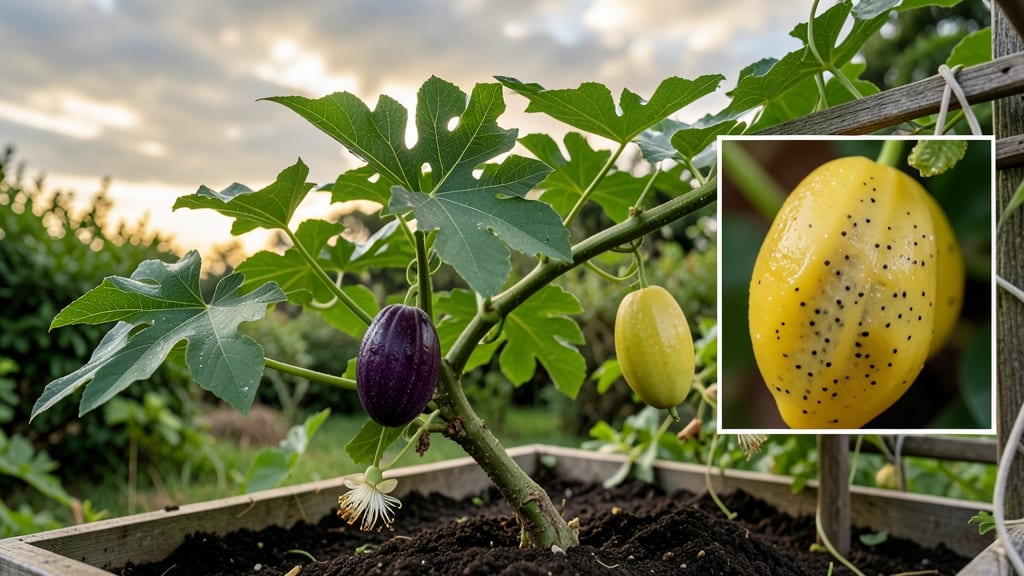
Growing edible passion fruit from compact vines means tropical fruit on your patio year-round. 🌿 The key is mimicking their native rainforest conditions—warmth, humidity, and a sturdy trellis—without needing a greenhouse.
My first vine produced fruit in just 12 months, and now I harvest purple and yellow varieties that taste like sunshine and citrus rolled into one. You’ll need a 5-gallon pot or in-ground spot with well-draining soil, a trellis for climbing, and consistent moisture (but never soggy roots).
Passion fruit vines thrive in zones 8-11 but can overwinter indoors in cooler climates. The real secret? Hand-pollination with a paintbrush when flowers appear—nature’s lazy bees often skip these exotic blooms.
By midsummer, you’ll be snipping sweet, seedy fruits that burst with flavor, and the vines will reward you with hundreds of blooms all season. The fruit keeps producing until frost, and with proper care, your plant will live for years, getting more productive each season.
Perfect for small spaces, containers, or even a sunny balcony. Here’s how to keep your vine happy—and fruiting—throughout the growing season.
📚 In This Guide
- What you need
- Instructions
- Tips and common mistakes
- Wrapping up and next steps
What you need
- ● Passion fruit vines: 3–5 healthy Passiflora edulis (purple) or Passiflora ligularis (yellow) seedlings or cuttings (from a nursery or trusted source).
- ● Containers (if growing in pots): 5–10 gallon pots (minimum) with drainage holes.
- ○ Optional: Self-watering containers for convenience.
- ● Growing medium: Well-draining potting mix (avoid heavy clay soil).
- ○ Optional: Perlite or coconut coir (20%) for aeration.
- ● Fertilizer: Balanced 10-10-10 fertilizer (for planting).
- ● High-potassium 5-10-10 fertilizer (for fruiting, every 4–6 weeks).
- ○ Optional: Organic options like composted manure or worm castings.
- ● Support structure: Trellis, arbor, or sturdy stakes (6–8 ft tall for climbing vines).
- ○ Optional: Netting for smaller varieties.
- ● Tools: Pruning shears (sterilized).
- ● Garden gloves (to protect from thorns!).
- ● pH testing kit (ideal range: 6.0–7.5).
- ● Climate: Warm, frost-free zones (USDA 9–11; cooler climates need containers for winter).
- ● Sunlight: 6+ hours of direct sun daily (partial shade in extreme heat).
- ● Watering access: Drip irrigation or a watering can (vines need 1–2 inches/week).
- ● Patience: Fruiting takes 6–12 months from planting!
How to grow edible passion fruit from start to harvest
Passion fruit thrives with the right balance of warmth, support, and patience—here's how to coax those fragrant, tropical fruits from your own garden.
🌱 Step 1: Select and Prepare Healthy Starter Plants
Choose disease-free, 1-2 year old passion fruit vines from a reputable nursery. Look for plants with thick, green stems and multiple sets of leaves—these indicate vigor. Avoid any with yellowing foliage or soft spots, which signal fungal issues. I always opt for Passiflora edulis varieties like 'Purple' or 'Golden' for their reliable fruit production.
Before planting, inspect the roots for any circling or damaged sections. Gently tease them apart if needed—passion vines establish best when roots can spread freely. Soak the roots in lukewarm water for 30 minutes to rehydrate them before transplanting. This jumpstarts growth and reduces shock.
☀️ Step 2: Site Selection and Initial Planting
Passion fruit demands full sun exposure (6-8 hours daily) and protection from strong winds. In colder climates, grow them in large containers that can be moved indoors during frost. I plant mine against a south-facing trellis or fence, where they'll climb and spread naturally. The soil should be well-draining but rich in organic matter—amend with compost if your native soil is heavy or clay-based.
Dig a hole twice as wide as the root ball but only as deep. Position the plant so the top of the root ball sits 1 inch below soil level. This prevents stem rot while allowing roots to anchor securely. Water deeply immediately after planting to settle the soil and eliminate air pockets.
💧 Step 3: Watering and Early Care Routine
Keep the soil consistently moist but never soggy during the first 6-8 weeks—this is when roots establish. You'll know it's right when the top 2 inches of soil feel damp to touch. Passion vines are drought-tolerant once mature, but young plants need regular watering. I water mine at the base in the morning to reduce fungal risks from evening moisture.
Apply a balanced fertilizer (10-10-10) at half-strength every 4-6 weeks during the growing season. You'll see new growth within 2-3 weeks if the plant is thriving—look for fresh, vibrant leaves emerging along the vines. Avoid over-fertilizing, which can lead to lush foliage but fewer flowers and fruit.
✂️ Step 4: Pruning for Fruit Production
Prune passion vines in late winter or early spring to encourage fruit-bearing branches. Remove any dead, diseased, or crossing stems first. Then, cut back one-third of the oldest wood to stimulate new growth. I always leave 3-4 strong canes per plant—these will produce the most flowers and fruit.
During the growing season, pinch back new shoots to 4-6 inches to promote bushier growth. This creates more nodes where flowers will form. You'll notice small, purple or white blossoms appear in 4-6 weeks after pruning—these are your first sign of potential fruit. Remove any suckers growing below the graft union if you're working with grafted plants.
🍈 Step 5: Harvesting and Ongoing Maintenance
Passion fruit is ready for harvest when the fruit turns its mature color and feels slightly soft when gently squeezed. Purple varieties ripen to a deep violet hue, while golden types develop a bright yellow-orange skin. I harvest mine in the morning when temperatures are cooler—this preserves flavor and prevents bruising.
After harvest, reduce watering slightly but maintain moderate moisture to prepare the plant for dormancy in cooler months. Mulch around the base with 2-3 inches of organic mulch to retain soil moisture and regulate temperature. In colder climates, bring container-grown plants indoors before temperatures drop below 40°F.
Tips & tricks for growing thriving passion fruit vines
Here's what nobody tells you about cultivating these tropical gems—small details that make all the difference between a struggling vine and a fruit-bearing powerhouse.
Root Preparation Secret: That 30-minute root soak before planting isn't just about hydration—it's about activating root hairs that will seek out nutrients in your soil. I've found that adding a pinch of rooting hormone to the lukewarm water can double your success rate with finicky nursery plants. The key is keeping the water temperature between 70-75°F—too hot and you'll shock the roots, too cold and they won't absorb properly.
Sunlight Strategy: While passion fruit needs that full 6-8 hours of sun daily, I've learned that morning sun is more valuable than afternoon heat. Position your trellis to capture east-facing sunlight first, especially in hot climates. If you notice leaves curling or yellowing, it's often a sign of too much midday sun—provide some afternoon shade during peak summer months. A simple 50% shade cloth works wonders without sacrificing fruit production.
Pruning Precision: When you're cutting back that one-third of oldest wood in Step 4, aim to make your cuts just above a leaf node where new growth will emerge. I always use sterilized pruning shears to prevent disease transmission between cuts. The 4-6 inch pinch back for new shoots creates perfect branching angles—this isn't just about size control, it's about creating the ideal structure for fruit-bearing nodes. Think of it like training a grapevine: you want those branches to grow outward, not inward.
Harvest Timing: The slight softness you feel when squeezing ripe passion fruit comes from the fruit's natural ethylene production. I've found that harvesting in the morning when temperatures are cooler preserves that juicy texture better than afternoon picking. For container plants, gently twist the fruit from the vine—don't cut it—to avoid damaging the stem. The fruit will continue ripening off the vine for about 24 hours at room temperature, so don't rush to refrigerate immediately.
Pro Tips for Edible Passion Fruit
- Here's what nobody tells you about cultivating these tropical gems—small details that make all the difference between...
- Root Preparation Secret: That 30-minute root soak before planting isn't just about hydration—it's about activating ro...
- Sunlight Strategy: While passion fruit needs that full 6-8 hours of sun daily, I've learned that morning sun is more ...
Frequently asked questions
How long does it take for passion fruit vines to bear fruit?
Passion fruit vines typically take 6 to 12 months to produce fruit after planting, depending on climate and care. In warmer zones (USDA 9-11), you may see fruit as early as 6 months, while cooler regions might wait up to a year. Patience pays off—healthy vines reward you with year-round harvests once established!
Can I grow passion fruit in containers, or do I need a yard?
Passion fruit thrives in 5-gallon containers or larger with drainage holes. Choose a pot with a trellis or sturdy support for climbing. Just ensure it gets full sun (6+ hours/day) and regular watering. Containers are perfect for patios, balconies, or small spaces—no yard required!
Why aren’t my passion fruit turning yellow or ripening?
If your fruit stays green, it’s often due to low sunlight, poor pollination, or overwatering. Check for:
- Sunlight: Move vines to a sunnier spot (passion fruit needs direct sun).
- Pollinators: Hand-pollinate with a small brush if bees are scarce.
- Watering: Let soil dry slightly between waterings to avoid rot.
What’s the best way to eat passion fruit—fresh, juice, or something else?
Passion fruit is versatile and delicious! Try these easy ideas:
- Fresh: Scoop out seeds and pulp for a tangy, tropical snack.
- Juice: Blend with water, honey, or mint for a refreshing drink.
- Baking: Add to smoothies, sorbets, or desserts like passion fruit cheesecake.
- Savory: Pair with seafood, goat cheese, or salads for a zesty kick.
Can passion fruit survive winter in cold climates?
Passion fruit is tropical/subtropical and not frost-tolerant. In cold zones (below USDA 9), grow it as an annual or overwinter indoors:
- Indoors: Trim vines, pot them, and place near a sunny window.
- Outdoors (temporary): Use row covers or move pots to a garage during freezes.
- Restart in spring: Repot and fertilize when temperatures rise above 50°F.
Wrapping up and next steps
Growing edible passion fruit is a rewarding journey that brings tropical flavors and nutritional benefits right to your backyard—no matter the season! 🌱 With the right soil, support, and care, your compact vines can thrive, offering a bountiful harvest of sweet, tangy fruit.
Whether you're a beginner or a seasoned gardener, this guide gives you everything you need to succeed.
Now that you’re armed with the fertilization tips and answers to common questions, it’s time to roll up your sleeves and start planting! Pick a sunny spot, prep your soil, and watch your passion fruit vines transform into a fruitful oasis. Happy growing! 🌿