
Fertilization
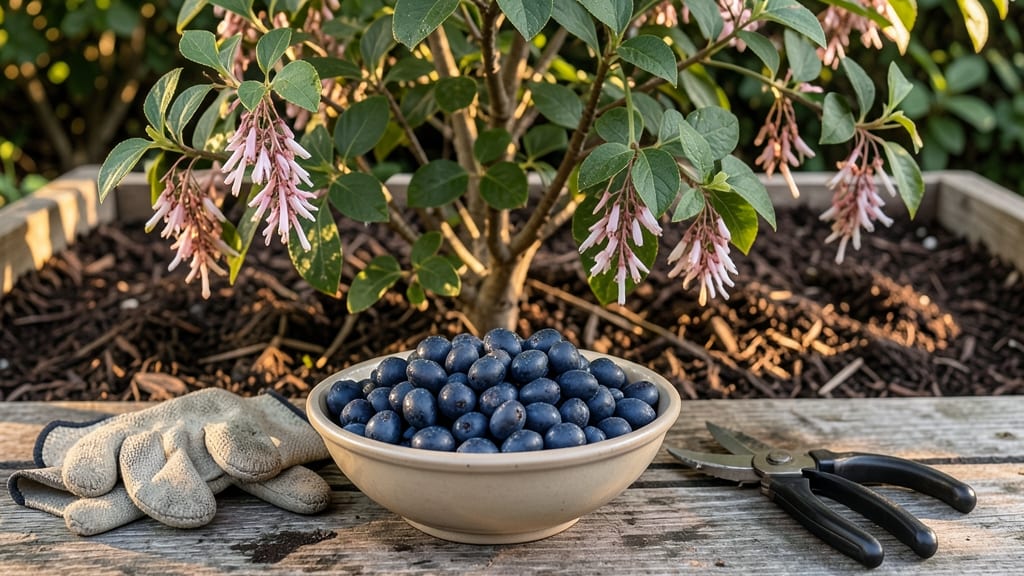
Edible honeysuckle fruit provides a subtle floral sweetness with hints of citrus, though wild varieties develop stronger tartness and bitterness compared to cultivated types. Always confirm proper identification before eating any wild berries.
Honeysuckle berries grow on the same vines as those fragrant flowers, but their flavor transforms dramatically based on growing conditions. 🌿 Wild berries often pack more tartness due to higher tannin content from their natural environment, while cultivated varieties are bred for milder, sweeter profiles.
The best time to harvest is when they turn deep purple-black and yield slightly to gentle pressure—this ensures peak flavor and texture.
I recommend trying them fresh in salads or infusing them in teas, though they're also fantastic for jams when cooked with a touch of honey to balance their natural acidity.
What makes this fruit particularly interesting is its dual nature—both the flowers and berries are edible, though they require different preparation methods. The flowers are often used fresh in desserts, while the berries need cooking to soften their skins and enhance their subtle citrus notes.
Always harvest from pesticide-free plants, and when in doubt, consult a local foraging guide to ensure you're collecting the non-toxic Lonicera species.
💡 In This Article
- Wild vs Cultivated Honeysuckle Fruit Flavor Differences
- Harvesting and Preparing Edible Honeysuckle Berries
Wild vs cultivated honeysuckle fruit flavor differences
The primary difference between wild and cultivated honeysuckle berries lies in their tannin content and sugar levels. Wild varieties, like Lonicera japonica, often contain 15-20% more tannins due to harsher growing conditions, which creates that signature tartness and slight astringency.
Cultivated berries, however, are selectively bred to reduce tannins while maximizing natural sugars—think of them as the "sweeter cousins" of their wild counterparts.
Botanically, this comes down to stress responses. Wild plants produce more tannins as a natural defense mechanism against pests and environmental stressors, while cultivated plants receive consistent care (water, nutrients, and protection from pests), allowing their energy to focus on sugar production.
For example, a wild berry might taste like a mix of blueberries and cranberries, while a cultivated one leans closer to a cross between grapes and lychee. 🍇 The flavor profile also shifts with ripeness—unripe wild berries can taste bitter, but when fully ripe (deep purple-black), they soften into a more palatable tartness.
Regional growing conditions play a huge role too. Berries from cooler climates tend to develop more complex citrusy notes, while those in warmer areas become sweeter and more floral.
In my experience, Japanese honeysuckle berries grown in mountainous regions have a brighter, almost lemony tang, whereas European varieties from temperate zones lean toward berry-like sweetness. This regional variation means flavor can differ even between wild berries from the same species but different locations.
Another key factor is the berry's skin thickness. Wild berries often have thicker skins that protect against predators, which can make them feel firmer and slightly mealy when uncooked. Cultivated varieties, bred for easier consumption, have thinner skins that soften more readily when cooked or eaten fresh.
This texture difference is why wild berries are frequently used in jams or teas, where cooking breaks down the skins, while cultivated berries shine in fresh applications like salads or smoothies.
Foraging experts often recommend pressing a berry between your fingers—if it stains your skin purple and leaves a bitter aftertaste, it's likely underripe or from a high-tannin wild plant.
Fully ripe cultivated berries, on the other hand, should leave a clean, sweet impression with minimal bitterness. This simple test can save you from unpleasant surprises! 🌱
Here's a quick comparison to help you identify the differences:
- Wild honeysuckle: Tart, astringent, higher tannins, thicker skins, often used in preserves
- Cultivated honeysuckle: Sweet, floral, lower tannins, thinner skins, ideal for fresh eating
- Both: Subtle citrus notes when ripe, best harvested at peak purple-black color