
Pruning
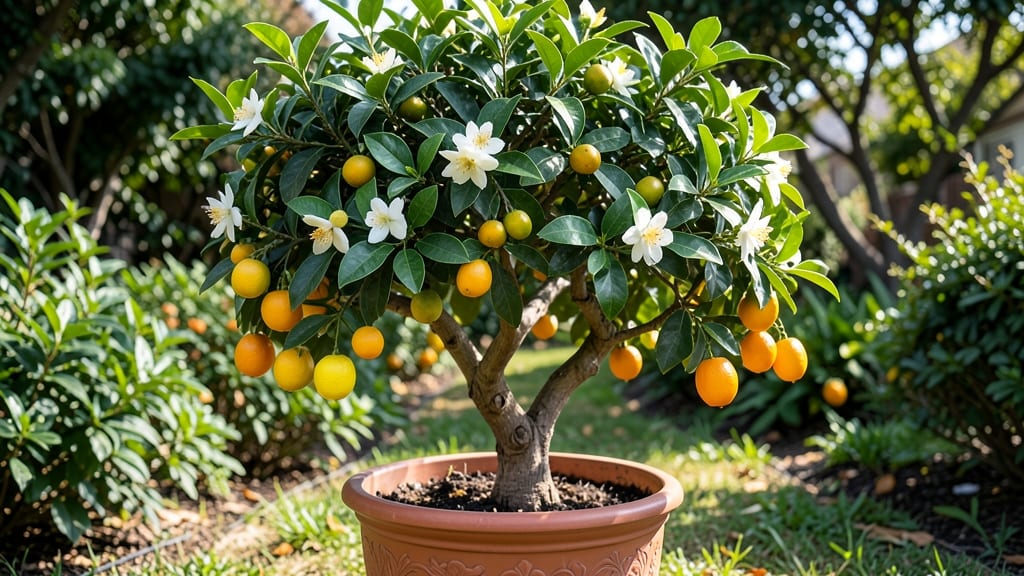
Your backyard could soon be home to a dwarf fruit cocktail tree—a compact powerhouse that packs citrus, berries, and tropical flavors into a single, manageable plant. 🌱 I’ve grown mine for three years, and it’s become the star of my patio, producing tiny oranges, grapefruits, and even passionfruit-sized berries without taking over the space.
The key? Pruning it right to keep it small but productive all season long.
This isn’t your grandma’s citrus tree—it’s a hybrid designed to thrive in pots or small gardens, perfect for urban balconies or sunny windowsills. You’ll need well-draining soil, a 15-gallon container (or larger if you’re ambitious), and a spot with 6+ hours of sunlight daily.
The real magic happens in late winter when you prune back the branches to encourage bushier growth and more fruit clusters.
By summer, you’ll be harvesting bite-sized fruits that taste like a mix of orange, grapefruit, and berry—ideal for snacking or cocktails. The tree stays under 6 feet tall with regular pruning, and the blooms are just as pretty as the harvest.
Plus, it’s disease-resistant, so you’ll spend less time fighting pests and more time enjoying the fruit.
Works in USDA zones 9-11, but with a little extra care (like winter protection in cooler climates), you can grow it almost anywhere. Whether you’re a first-time gardener or a pruning pro, this tree delivers year-round interest—from fragrant flowers to colorful fruit. Let’s get your own growing!
📚 In This Guide
- What you need
- Instructions
- Tips and common mistakes
- Wrapping up and next steps
What you need
- ● Dwarf Fruit Cocktail Tree: Choose a grafted variety (e.g., Citrus × Fortunei or Poncirus trifoliata hybrids) that includes fruits like oranges, lemons, limes, and grapefruit.
- ● Well-draining potting mix: 5–10 gallons (for container gardening) or a blend of topsoil, compost, and perlite (for in-ground planting).
- ○ Container (optional but recommended): 15–25 gallon pot with drainage holes (if growing in a container).
- ● Fabric grow bag (alternative for better root aeration).
- ● Pruning tools: Bypass pruners (for clean cuts on small branches).
- ● Loppers (for thicker branches, up to 1-inch diameter).
- ● Sterilizing solution (70% isopropyl alcohol or bleach-water mix).
- ● Fertilizer: Balanced citrus fertilizer (e.g., 6-6-6 NPK) or slow-release granules.
- ● Mulch: Organic mulch (e.g., straw or wood chips) to retain moisture.
- ○ Support stakes or trellis: For young trees (optional but helpful for shaping).
- ● Root stimulator: Mycorrhizal fungi or powder to boost root health.
- ● pH testing kit: To ensure soil pH is between 6.0–7.0 (ideal for citrus).
- ● Drip irrigation system: For consistent moisture (especially in containers).
- ● Tree ties or soft garden twine: To secure branches during pruning.
- ● Gloves and safety glasses: For protection while pruning.
Step-by-step guide to pruning your dwarf fruit cocktail tree
Here’s how to keep your compact fruit tree thriving with precise, seasonal pruning for abundant harvests.
✂️ Step 1: Prune for Structure in Late Winter
Start by removing any dead, diseased, or crossing branches with sharp, clean pruners. I like to work when the tree is still dormant—typically in late February or early March—before new growth begins. This gives you a clear view of the tree’s skeleton and lets you shape it without stressing the plant.
Focus on opening the center of the tree to improve airflow and sunlight penetration. Remove any branches growing inward or rubbing against others. Aim to create an open vase shape, which makes future harvests and pruning easier. Cut just outside the branch collar—the swollen area where the branch meets the trunk—to prevent tearing and promote faster healing.
☀️ Step 2: Light Pruning After Flowering
Once your tree finishes flowering—usually in late spring—give it a light trim to encourage new fruit development. This is the time to thin out overcrowded branches and remove any suckers growing from the base or trunk. Suckers divert energy away from fruit production, so I always remove them at the base with a clean cut.
Watch for any branches that are growing too long or leggy. You can shorten these by up to one-third to promote bushier growth and more fruit. Avoid heavy pruning now, as it can reduce next year’s harvest. Instead, focus on shaping and maintaining balance.
🌿 Step 3: Summer Pruning for Airflow and Fruit Development
During the growing season, keep an eye out for any branches that are blocking sunlight or airflow to the center of the tree. In mid-to-late summer, after the initial flush of fruit has set, you can do a light pruning to remove any water sprouts—those fast-growing, vertical shoots that appear on older wood. These shoots rarely produce fruit and can weaken the tree.
This is also the time to thin out clusters of fruit if they’re too dense. Overcrowded fruit competes for nutrients and can lead to smaller, lower-quality harvests. Leave only the healthiest, most evenly spaced fruit clusters, cutting them back to a leaf bud or small branch. You’ll see stronger, larger fruit as a result.
⏰ Step 4: Final Pruning Before Dormancy
In late fall, after the leaves have dropped but before the first hard frost, do a final light pruning to clean up any remaining dead or weak growth. This helps the tree enter dormancy in a stronger state and reduces the risk of pests or diseases overwintering in the tree.
Remove any branches that are damaged by frost, storms, or disease. You can also do a bit of shaping to maintain the tree’s form, but avoid heavy pruning now. The tree needs time to recover before winter, and late-season cuts can stimulate new growth that won’t harden off before cold weather sets in.
🌱 Step 5: Year-Round Maintenance Checks
Between major pruning sessions, do quick monthly checks to remove any dead, diseased, or pest-infested branches. I keep a small pair of pruners handy for quick trims. If you notice any branches growing in odd directions or rubbing against each other, address them early to prevent damage.
Pay attention to the tree’s overall health—vigorous growth, dark green leaves, and abundant fruit indicate you’re on the right track. If you see signs of stress, like yellowing leaves or sparse fruit, adjust your pruning approach for the next season. A well-maintained dwarf fruit cocktail tree will reward you with year-round harvests and a compact, beautiful form.
Tips & tricks for pruning your dwarf fruit cocktail tree
These seasoned insights will help you avoid common pitfalls and maximize your compact tree's potential.
Timing is Everything: The late winter pruning in late February or early March is critical because dormant trees heal faster and you can see the full structure without foliage interference. If you miss this window, wait until spring—but never prune in late summer or fall, as new growth won't harden off before winter. This is when many gardeners make the mistake of over-pruning, which stresses the tree.
Tool Selection Matters: Use only sharp, clean pruners—dull tools crush branches instead of making clean cuts. I recommend bypass pruners for larger branches and small hand pruners for precision work. Sterilize your tools with rubbing alcohol between cuts to prevent disease spread, especially when removing diseased branches in Step 1. This simple step can prevent fungal infections that ruin entire harvests.
Visual Cues for Proper Pruning: When thinning fruit clusters in mid-to-late summer (Step 3), look for clusters with at least one-third of the fruit removed—this prevents overcrowding. You'll know you've done it right when you can see light penetrating the center of the tree. The goal is to leave only the healthiest fruit spaced about 6-8 inches apart on each branch.
Seasonal Adjustments: In colder climates, delay your late fall pruning until after the first hard frost but before temperatures drop below 20°F. This gives the tree time to harden off while still allowing you to remove damaged branches. If you're in a warmer region, you have more flexibility—just avoid pruning when the tree is actively growing.
Pro Tips for Dwarf Fruit Cocktail Tree
- These seasoned insights will help you avoid common pitfalls and maximize your compact tree's potential.
- Timing is Everything: The late winter pruning in late February or early March is critical because dormant trees heal faster and you can see the full structure without foliage interference.
- Tool Selection Matters: Use only sharp, clean pruners—dull tools crush branches instead of making clean cuts.
Frequently asked questions
Got questions about your dwarf fruit cocktail tree? You’re not alone! Here are answers to the most common queries to keep your compact harvest thriving.
How often should I prune a dwarf fruit cocktail tree for maximum yield?
Prune your dwarf fruit cocktail tree twice a year: once in late winter (before buds swell) to shape the tree and remove dead wood, and again after harvest to encourage new growth. Light trimming between harvests can also promote bushier branches and more fruit clusters. Pro tip: Avoid heavy pruning during fruiting season—focus on dead or crossing branches instead!
When is the best time to plant a dwarf fruit cocktail tree?
Plant your dwarf fruit cocktail tree in early spring (after the last frost) or fall (4-6 weeks before the first frost). This gives roots time to establish before extreme temperatures. If planting in summer, keep the soil consistently moist and provide afternoon shade to reduce stress. Bonus: Container-grown trees can be planted year-round in mild climates!
Can I grow a dwarf fruit cocktail tree in a container? Yes—but what size pot do I need?
Use a 15-20 gallon container with drainage holes for optimal root growth. Dwarf varieties thrive in pots, but they’ll need regular pruning to control size. Choose a lightweight, weather-resistant material like fabric or plastic, and repot every 2-3 years to refresh the soil. Pro tip: Place the pot in full sun (6+ hours daily) and fertilize monthly during growing season!
What pests should I watch for, and how do I treat them naturally?
Common pests include aphids, spider mites, and fruit flies. Start with neem oil or insecticidal soap for mild infestations. For fruit flies, use apple cider vinegar traps or release beneficial nematodes in the soil. Prune affected branches promptly and remove fallen fruit to break the pest cycle. Prevention tip: Encourage ladybugs and lacewings—they’re natural pest predators!
Why isn’t my dwarf fruit cocktail tree producing fruit? Troubleshooting guide.
Several factors could be at play:
- Age: Trees may take 2-3 years to bear fruit.
- Light: Ensure it gets 6+ hours of sunlight daily.
- Pollination: Hand-pollinate with a small brush if bees are scarce.
- Nutrients: Test soil pH (ideal: 6.0-7.0) and fertilize with citrus-specific blend.
- Pruning: Over-pruning can reduce fruiting—keep 30-50% of the canopy.
If issues persist, check for disease (like citrus blight) or root stress.
Wrapping up and next steps
Growing a dwarf fruit cocktail tree is a rewarding way to enjoy a burst of flavors in even the smallest spaces! With the right pruning techniques, you’ll unlock year-round harvests while keeping your tree healthy and compact.
Whether you’re a beginner or a seasoned gardener, these tips will help you cultivate a thriving, fruitful tree—no matter the season.
Ready to take the next step? Start small: pick one variety to experiment with, gather your tools, and begin pruning with confidence. Your future self—and your taste buds—will thank you! 🌱✨