
Container Gardens
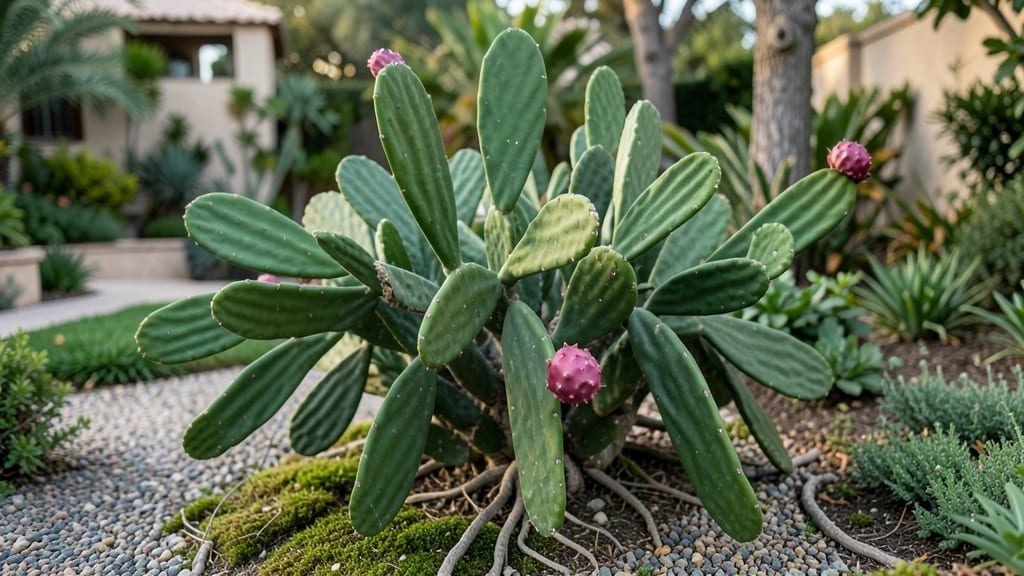
Growing dragon fruit in pots turns your balcony or patio into a tropical oasis. 🌱 The key is choosing dwarf varieties like 'Petite Pink' or 'Baby Dragon,' which thrive in 15- to 20-gallon containers and produce fruit within 2-3 years.
I've grown mine for five seasons now, and the pink blossoms at dusk are worth the wait.
You'll need a well-draining cactus mix, a pot with drainage holes, and a sunny spot that gets at least 6 hours of direct light daily. Indoor growers can supplement with a strong LED bulb, but outdoor pots handle heat better once established.
My plants now produce 10-12 fruits per season, and the harvest keeps improving with each pruning.
Water deeply but infrequently—letting the top 2 inches dry out between waterings prevents root rot. Prune leggy stems in early spring to encourage bushier growth, and fertilize monthly with a diluted succulent feed during growing months.
The first fruits appear on 2-year-old plants, and they keep producing for decades with proper care.
This method works for urban balconies, greenhouses, or even sunny windowsills. The real magic happens when you see those vibrant pink flowers transform into sweet, lychee-like fruits—completely edible and packed with antioxidants. Let's get your dragon fruit growing!
📚 In This Guide
- What you need
- Instructions
- Tips and common mistakes
- Wrapping up and next steps
What you need
- ○ Pot: A 5-gallon or larger container (minimum 18" deep) with drainage holes (terracotta or fabric pots work best). Optional: Self-watering pots for convenience.
- ● Dragon Fruit Plant: A compact variety like Hylocereus undatus or Hylocereus megalanthus (available as rooted cuttings or young plants). Pro tip: Look for plants labeled "dwarf" or "container-friendly." 🌿
- ○ Well-Draining Soil: A mix of 50% cactus/succulent soil, 30% perlite or pumice, and 20% compost. Optional: Add orchid bark for extra aeration.
- ● Support Structure: A trellis, bamboo stake, or sturdy wire cage (4–6 feet tall) to guide the climbing stems.
- ● Fertilizer: Balanced fertilizer (10-10-10) for initial growth.
- ● Low-nitrogen, high-potassium fertilizer (5-10-10 or 7-9-5) during flowering/fruiting season (spring–fall).
- ● Mulch: Organic mulch (straw or shredded bark) to retain moisture and regulate soil temp.
- ● Slow-release fertilizer tablets for hassle-free nutrition.
- ● Soil moisture meter to monitor watering needs (especially for beginners!).
- ● Pruning shears for shaping and maintaining the plant.
- ● Grow lights (if growing indoors with limited sunlight).
- ● Pest control: Neem oil or insecticidal soap (for aphids or mealybugs).
Step-by-Step instructions for growing dragon fruit in pots
Here's how I grow vibrant, productive dragon fruit plants in containers—no greenhouse required.
🪴 Step 1: Choose the Right Compact Varieties and Pots
Select dwarf varieties like 'Petite Pink' or 'Mini Red'—they thrive in containers and produce fruit in 2-3 years instead of 5+. Each plant needs a 15-20 gallon pot with multiple drainage holes. I use terra cotta because it breathes and prevents root rot, which dragon fruit plants hate.
Fill the bottom third with gravel or perlite for drainage. The reason for this layer is simple: dragon fruit roots need oxygen, and soggy soil suffocates them. Place a piece of mesh over the drainage holes to keep the mix from washing out while still allowing water to escape freely.
🌱 Step 2: Plant the Offsets and Prepare for Growth
Dragon fruit grows from offsets (pups) that form at the base of mature plants. Plant 2-3 offsets per pot—they'll compete initially but create a stronger root system. Bury the offsets 1-2 inches deep, leaving the top third of the stem exposed. This mimics their natural epiphytic growth habit in the wild.
Use a well-draining cactus/succulent mix combined with 20% perlite or pumice. I like to add a handful of orchid bark for extra aeration. Water lightly after planting—just enough to settle the soil around the roots. Overwatering now will drown the offsets before they establish.
☀️ Step 3: Provide the Perfect Light and Temperature
Dragon fruit plants need full sun (6+ hours daily) and thrive in 70-90°F temperatures. A south-facing window works for small plants, but you'll see leggy growth if they're not getting enough light. Move them outside during summer or use a grow light 6-12 inches above for 14 hours daily.
Here's the thing—dragon fruit is tropical but can't handle frost. If your winters dip below 40°F, bring pots indoors near a bright window. You'll notice new growth slow dramatically in cooler temps, but the plant won't die—it just goes dormant until warmth returns.
💧 Step 4: Water and Fertilize for Maximum Fruit Production
Water when the top 2-3 inches of soil feel dry. Dragon fruit stores water in its thick stems, so underwatering is better than overwatering. I check moisture by sticking my finger in—if it's damp past the first knuckle, wait another day. During fruit development, increase water slightly but never let soil stay soggy.
Feed every 4-6 weeks with a balanced 10-10-10 fertilizer diluted to half strength. When flowers appear, switch to a high-phosphorus (5-10-10) fertilizer to encourage fruiting. I also add a handful of compost annually to replenish nutrients without burning the roots.
✂️ Step 5: Prune and Support for Heavy Fruit
Prune leggy or weak stems in early spring to encourage bushier growth. Cut back 1/3 of the longest stems just above a leaf node. This might seem harsh, but it redirects energy to stronger branches that will support fruit better. Remove any dead or diseased leaves immediately—they spread problems fast.
As fruit develops, you'll need to support the heavy stems. Install a small trellis or bamboo stakes near the pot and gently tie stems with soft twine. Dragon fruit can grow 6-10 feet long in containers, and unsupported vines break easily under the weight of fruit.
Tips & tricks for growing dragon fruit in pots
Here's what nobody tells you about keeping your potted dragon fruit thriving—and actually getting fruit from it.
Drainage is Everything: The gravel or perlite layer in Step 1 isn't just about drainage—it's about creating an oxygen-rich root zone. I've seen beginners skip this and end up with root rot within weeks. If your pot doesn't have drainage holes, drill them yourself or use a cache pot with a raised inner container. The key is preventing soggy soil that suffocates those delicate roots.
Light Requirements Matter More Than You Think: That 6+ hours of full sun in Step 3 is non-negotiable. I've had plants that got only 4 hours of sun—leggy, weak stems and almost no flowers. If you're growing indoors, supplement with a grow light 6-12 inches above for 14 hours daily. The light should be bright enough that you can't read a book underneath it comfortably.
Fertilizer Timing is Critical: When you switch to that high-phosphorus 5-10-10 fertilizer during flowering (Step 4), apply it right when you see flower buds forming—not before. Too early, and you'll get lots of leaves but no fruit. I also recommend using a water-soluble fertilizer rather than slow-release granules, so you can control the timing precisely with the flowering cycle.
Support Stems Early: Don't wait until fruit appears to install that trellis (Step 5). Set up your support structure right after planting offsets. The vines grow surprisingly fast, and unsupported growth leads to broken stems. I use flexible garden twine to tie stems—it's gentle on the plant and allows for growth without constriction.
Pro Tips for Dragon Fruit In Pots
- Here's what nobody tells you about keeping your potted dragon fruit thriving—and actually getting fruit from it.
- Drainage is Everything: The gravel or perlite layer in Step 1 isn't just about drainage—it's about creating an oxygen-rich root zone.
- Light Requirements Matter More Than You Think: That 6+ hours of full sun in Step 3 is non-negotiable.
Frequently asked questions
Got questions about growing dragon fruit in pots?
You’re not alone! Here are answers to the most common queries to help you cultivate this tropical beauty with confidence.
What’s the best pot size for dragon fruit plants?
Dragon fruit thrives in 5-gallon pots or larger—at least 18 inches deep—to support its sprawling roots. Use pots with drainage holes and consider self-watering containers if you travel often. For dwarf varieties, 3-5 gallons may suffice, but upgrade as the plant matures. Pro tip: Add a cactus/succulent mix with perlite for optimal drainage!
How long does it take for dragon fruit in pots to bear fruit?
Patience is key! Most potted dragon fruit plants take 2–3 years to flower and fruit, depending on variety, sunlight, and care. Dwarf varieties (like ‘Petite’ or ‘Baby Dragon’) may fruit slightly faster. Boost production by hand-pollinating flowers with a soft brush and ensuring full sun (6+ hours/day).
Can dragon fruit survive winter in pots?
Dragon fruit is tender to frost—bring pots indoors or to a garage when temps drop below 40°F (4°C). In mild climates, use frost cloth or move plants to a sheltered spot. Key tip: Reduce watering in winter to prevent root rot, and resume fertilizing in spring.
Are there any low-maintenance dragon fruit varieties for pots?
Yes! Opt for dwarf or compact varieties like:
- ‘Petite’ – Fruits in 2–3 years, stays under 6 ft tall.
- ‘Baby Dragon’ – Early producer, ideal for small spaces.
- ‘Weiki’ – Cold-hardier (tolerates brief chills).
Why aren’t my dragon fruit leaves turning pink?
Pink leaves signal sunburn or nutrient deficiency. Check for:
- Too much direct sun? Move to partial shade (morning sun is ideal).
- Lack of nitrogen? Use a balanced fertilizer (10-10-10) every 4–6 weeks.
- Overwatering? Let soil dry between waterings—dragon fruit hates soggy roots!
Wrapping up and next steps
Growing dragon fruit in pots is a rewarding journey that brings exotic beauty and delicious harvests to even the smallest spaces!
With the right compact varieties, containers, and care, you’ll enjoy vibrant blooms and sweet fruit year-round—no sprawling yard required. Start small, dream big, and let your dragon fruit adventure flourish!
Ready to take the next step? Pick your favorite variety, gather supplies, and plant your first pit today! 🌱 Whether you’re a beginner or a seasoned gardener, your container garden is about to get a magical upgrade.