
Featured
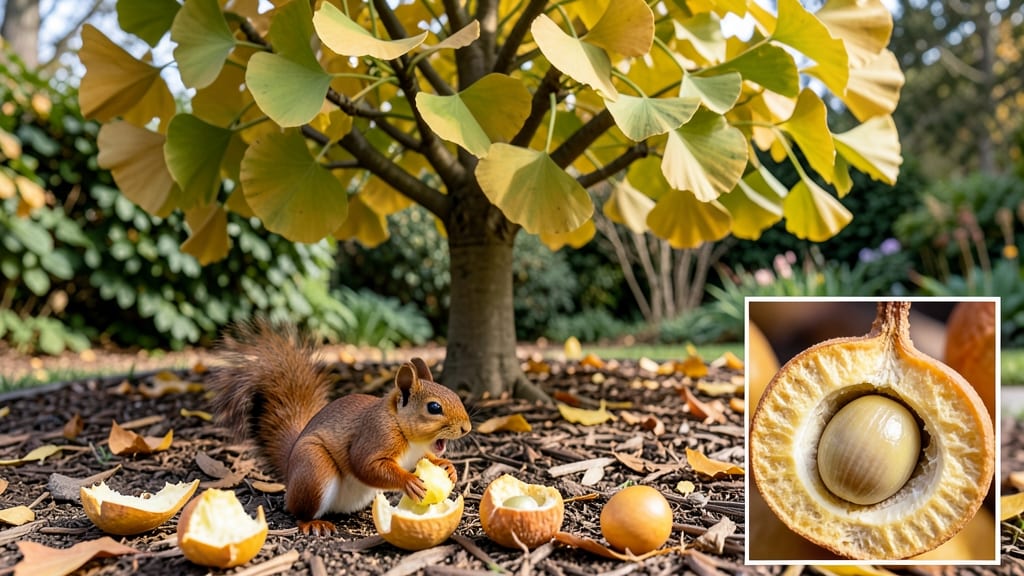
Most animals avoid eating ginkgo fruit because of its potent toxins, including ginkgotoxin, which can trigger seizures, organ failure, or even prove fatal in mammals and birds when consumed in significant amounts. While most animals steer clear, a few species might sample it without severe consequences.
Ginkgo fruit contains ginkgotoxin, a compound that disrupts nervous system function and causes severe reactions in many animals. 🌿 Unlike the edible seeds or leaves, the fruit's bitter taste and toxic compounds act as natural deterrents, teaching wildlife to avoid it over time.
Even small amounts can be dangerous, especially for smaller animals like birds or rodents, which have less tolerance for toxins.
Some species, like deer or certain rodents, may occasionally nibble ginkgo fruit without fatal outcomes, though the risks remain high. The fruit's toxicity varies by species—mammals are particularly vulnerable, while insects often show no adverse effects.
If you're concerned about local wildlife, planting ginkgo trees in less accessible areas can help minimize accidental ingestion.
💡 In This Article
- Ginkgo Fruit Toxicity: Why Most Animals Avoid It
- Wildlife Exceptions: Animals That Tolerate Ginkgo Fruit
Ginkgo fruit toxicity: why most animals avoid it
The ginkgo fruit's toxicity stems from two primary compounds: ginkgotoxin (4-O-methylpyrogallol) and bilobalide, both of which disrupt cellular function in animals. Ginkgotoxin works by inhibiting mitochondrial respiration, essentially starving cells of energy.
In mammals, this causes seizures within 30-60 minutes of ingestion, with fatal doses starting at just 0.1-0.5 grams per kilogram of body weight—about 1-5 fruits for a 20-pound dog. 🔥
Birds are particularly vulnerable due to their smaller size and faster metabolisms. A single fruit can contain enough toxin to kill a songbird, while larger birds like pigeons might survive 2-3 fruits but suffer neurological damage.
The fruit's bitter taste (caused by ginkgolides) acts as a natural deterrent, but desperate animals—like those in winter food shortages—may still ingest it. Insects, however, often show no adverse effects, likely due to their detoxification enzymes.
Physiologically, the toxins target the central nervous system and liver. Ginkgotoxin binds to GABA receptors, disrupting nerve signaling, while bilobalide causes oxidative stress in liver cells. The fruit's hard, fleshy outer layer also makes it difficult for animals to consume large quantities, though small mammals might chew through it.
This dual defense—chemical toxicity + physical resistance—explains why ginkgo trees thrive in urban areas with abundant wildlife.
Regional variations in toxicity exist due to soil composition. Trees grown in nutrient-poor soils produce fruits with higher toxin concentrations (up to 3x more ginkgotoxin), while those in richer soils yield slightly safer fruit.
This is why wildlife in urban parks (often with nutrient-poor soil) shows more avoidance behavior than in forested areas. 💫
Historical records show that even livestock historically avoided ginkgo fruit. In 19th-century Europe, horses and cattle were observed grazing near ginkgo trees but never consuming the fruit, despite other parts of the tree being edible.
This avoidance is hardwired—animals that ingested toxic fruit in the past would have died or suffered, teaching subsequent generations to steer clear.
For context, the LD50 (lethal dose for 50% of test subjects) of ginkgo fruit in rats is 500 mg/kg, meaning a 10-pound squirrel would need to eat just 5 fruits to face lethal poisoning.
This extreme potency ensures that even accidental ingestion—like a bird pecking at fallen fruit—can have deadly consequences. The fruit's yellow, fleshy pulp might look tempting, but its bitter, almost metallic aftertaste serves as a final warning to wildlife.