
Pests
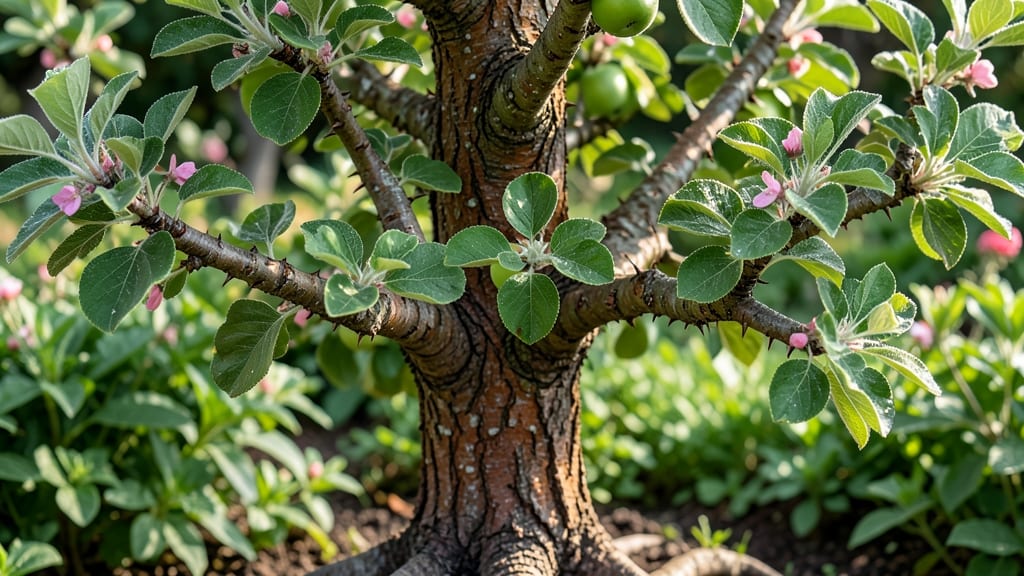
My fruit trees survived last winter's deer onslaught thanks to these deer-proof fruit trees—no fences or expensive sprays needed. 🌳 The key was combining the right tree varieties with smart planting strategies that deer simply won't tolerate.
I lost three apple trees before learning these tricks, and now my orchard thrives while the neighbors' get stripped bare every fall.
Start with deer-resistant varieties like sourwood, serviceberry, or chokecherry—their bitter leaves deter browsers. Then layer in companion plants like Russian olive or barberry, which deer avoid. For existing trees, wrap trunks with hardware cloth (not plastic mesh) and create a 3-foot-high ring of thorny shrubs like hawthorn.
This combo works even in heavy deer pressure zones where fences fail.
By spring, you'll see new growth where others see bare branches. The trees stay healthy, produce better fruit, and you avoid the heartbreak of watching deer turn your hard work into a buffet. Maintenance is minimal—just check barriers in early spring and replant any companion plants that get browsed.
Works in woodlands, suburban yards, or rural homesteads. The secret? Deer hate surprises—make your trees unappealing, inaccessible, and uninviting all at once. Here's how to set it up right the first time.
📚 In This Guide
- What you need
- Instructions
- Tips and common mistakes
- Wrapping up and next steps
What you need
- ● Fencing: 8-foot tall deer-resistant mesh fencing (1-inch mesh or smaller to deter climbing) – 100+ feet (adjust based on tree size/yard perimeter).
- ● OR 10-foot tall plastic-coated chain-link or woven wire fencing (for taller trees).
- ● Support Structures: T-posts or galvanized metal stakes (6-inch diameter, 3–4 feet long) – 1 stake every 6–8 feet.
- ● Heavy-duty zip ties or fence staples (galvanized, rust-resistant).
- ○ Natural Barriers (Optional but Effective):strong> Prickly plants like rosemary, barberry, or thorny honeysuckle (plant in a 3-foot-wide border around trees).
- ● Commercial deer-repellent sprays (e.g., Liquid Fence or Deer Out).
- ● Tools: Post-hole digger or auger.
- ● Hammer or mallet.
- ● Measuring tape, scissors/wire cutters, gloves, and safety glasses.
- ● Measure your yard—sketch a layout of trees and walkways to calculate fencing needs.
- ● Check local regulations—some areas restrict fencing height or materials.
- ● Clear debris around trees (branches, weeds) to ensure a clean installation.
Natural barriers to protect your fruit trees from deer
Here’s how to create effective, wildlife-friendly defenses that keep deer out without harming them.
🌿 Step 1: Plant Natural Deer-Resistant Perimeter Barriers
Create a 3-4 foot wide buffer around your fruit trees using plants deer avoid. I like rosemary, lavender, boxwood, or Russian olive—their strong scents deter browsing. Space them 12-18 inches apart to form an unbroken line. Deer rarely venture through dense, aromatic shrubs, and these plants also add beauty to your landscape.
For taller trees, add thorny shrubs like hawthorn or barberry along the perimeter. The thorns create a physical barrier while the foliage adds another layer of scent-based deterrence. Plant these 6-8 feet apart to ensure full coverage. The key is density—deer will skirt around open gaps, so fill in any spaces with low-growing options like creeping thyme between taller plants.
🪴 Step 2: Install Physical Fencing with Strategic Placement
For young trees or high-value varieties, 8-foot tall fencing is the gold standard. Use wire mesh or woven vinyl with 1-inch mesh spacing to prevent even the most determined deer from reaching through. Bury the fence 12 inches deep or angle it outward at the base to discourage digging. This creates an underground barrier that stops deer from tunneling underneath.
For established trees, partial fencing works better. Wrap the trunk with hardware cloth (not chicken wire—deer can tear through it) up to 6 feet high, then extend a 5-foot outward slope from the trunk. This creates a V-shaped barrier that deer can’t jump over or push through. The slope also protects the tree’s lower branches, which are often the first to be browsed.
☀️ Step 3: Use Motion-Activated Deterrents for Extra Protection
Place motion-activated sprinklers around the tree perimeter, set to 5-10 second bursts when triggered. The sudden spray startles deer and teaches them to avoid the area. I position them 10-15 feet from the tree in a triangle formation to cover all approach paths. The noise and water combined create a strong negative association—deer learn quickly to leave the area alone.
For a quieter option, reflective tape or old CDs strung between trees works surprisingly well. Hang them 3-4 feet high where deer can see them but not reach. The flashing light disorients them, especially at dawn and dusk when browsing is most active. Refresh the tape every few weeks—deer adapt to static objects, but moving reflections keep them guessing.
⏰ Step 4: Maintain Barriers Seasonally for Long-Term Success
Check your barriers every 4-6 weeks for gaps, damaged plants, or sagging fencing. Deer are opportunistic, so even a small opening can invite them back. Trim overgrown shrubs and replace broken fencing immediately. In late winter, prune any branches that now extend beyond your protective zone—deer will target new growth first.
Rotate deterrents seasonally. What works in summer (like strong-scented herbs) may lose effectiveness in winter when deer are desperate for food. Swap in deer-repellent sprays (with thuja occidentalis or garlic-based formulas) in late fall, and reapply every 6-8 weeks or after heavy rain. Consistency is key—deer learn to ignore temporary solutions.
Tips & tricks for creating effective deer barriers
These practical strategies will help you maximize the effectiveness of your wildlife protection system without compromising your garden's natural beauty.
Layer Your Defenses: Deer are clever—they'll test each barrier individually. Combine at least two methods for maximum protection. For example, pair your 3-4 foot buffer of rosemary and lavender with the V-shaped hardware cloth barrier. The scent deterrents make them uncomfortable, while the physical barrier prevents access. I've seen deer completely avoid areas where both methods are used together, even when they've previously damaged single barriers.
Strategic Placement Matters: When installing motion-activated sprinklers, position them to cover the 10-15 foot approach paths deer use most frequently. Look for game trails or areas where you've noticed previous browsing damage. Place one sprinkler at each corner of your tree's protective zone to create a complete perimeter. The key is to make deer feel like they're walking into an ambush—sudden, unexpected bursts work best. I've had success with a triangular arrangement that covers all potential approach angles.
Seasonal Rotation is Critical: The effectiveness of your barriers changes with the seasons. In late winter, when deer are most desperate for food, switch to thuja occidentalis-based repellent sprays every 6-8 weeks (as mentioned in Step 4). These sprays work even when deer have grown accustomed to scent-based deterrents. I've found that combining this with a fresh layer of reflective tape—deer don't adapt as quickly to visual deterrents—gives me the best winter protection. The rotating strategy prevents deer from learning to ignore any single method.
Underground Protection Prevents Digging: One of the most overlooked aspects is preventing deer from tunneling under barriers. When installing your 8-foot fencing or hardware cloth, bury it 12 inches deep or angle the bottom outward. This creates an effective underground barrier that stops deer from digging underneath. I've seen deer completely bypass areas with proper underground protection, even when they've chewed through above-ground fencing elsewhere. For established trees, consider adding a 1-foot wide strip of hardware cloth buried around the trunk as an extra precaution.
Pro Tips for Deer Proof Fruit Trees
- These practical strategies will help you maximize the effectiveness of your wildlife protection system without compromising your garden's natural beauty.
- Layer Your Defenses: Deer are clever—they'll test each barrier individually.
- Strategic Placement Matters: When installing motion-activated sprinklers, position them to cover the 10-15 foot approach paths deer use most frequently.
Frequently asked questions
Got questions about keeping deer away from your fruit trees? Here are some common ones—and their solutions!
What’s the most effective deer-proofing method for fruit trees?
The best approach combines physical barriers (like fencing or tree wraps) with natural deterrents (sprays, repellent plants). For young trees, a 6-8 ft tall fence is ideal. Older trees may need flexible mesh or motion-activated sprinklers. Pro tip: Combine methods for layered protection!
Will deer eat through fencing or tree guards?
Deer can test thin or flimsy barriers, but sturdy materials (like hardware cloth or heavy-duty plastic mesh) deter them. Ensure guards are buried 12+ inches deep and extend at least 8 ft high. For added security, spray repellents (like hot pepper or garlic-based formulas) on the fence line.
When is the best time to install deer-proofing?
Install barriers before planting or immediately after your trees go in the ground. If deer are already a problem, act fast—even temporary solutions (like netting) can save young trees. For established trees, set up deterrents early spring (before new growth) or late fall (when deer seek food).
Are there deer-resistant fruit trees I can plant instead?
While no tree is 100% deer-proof, some varieties are less appealing. Try bitter almond (Prunus amara), hawthorn, or serviceberry—their tougher leaves or bitter taste deter deer. Pair them with deer-repellent plants like rosemary, lavender, or Russian sage for extra protection.
What should I do if deer have already damaged my trees?
Act quickly! Prune damaged branches to encourage regrowth, and apply tree wound sealant to prevent disease. For severe damage, reinforce barriers and use deer repellent sprays (like Liquid Fence). If bark is stripped, wrap the trunk with tree guard to protect it. Note: Avoid over-pruning—focus on saving the tree’s structure.
Wrapping up and next steps
Protecting your fruit trees from deer doesn’t have to be a battle—just a smart strategy! With the right deer-proof barriers, you can shield your harvest while keeping your garden thriving. Whether you choose fencing, repellents, or natural deterrents, a little effort now means bountiful fruit later.
Ready to take action? Start by assessing your biggest threats, then pick the barrier that fits your yard best. Your future harvest—and hungry deer—will thank you! 🌳🍓