
Vegetables
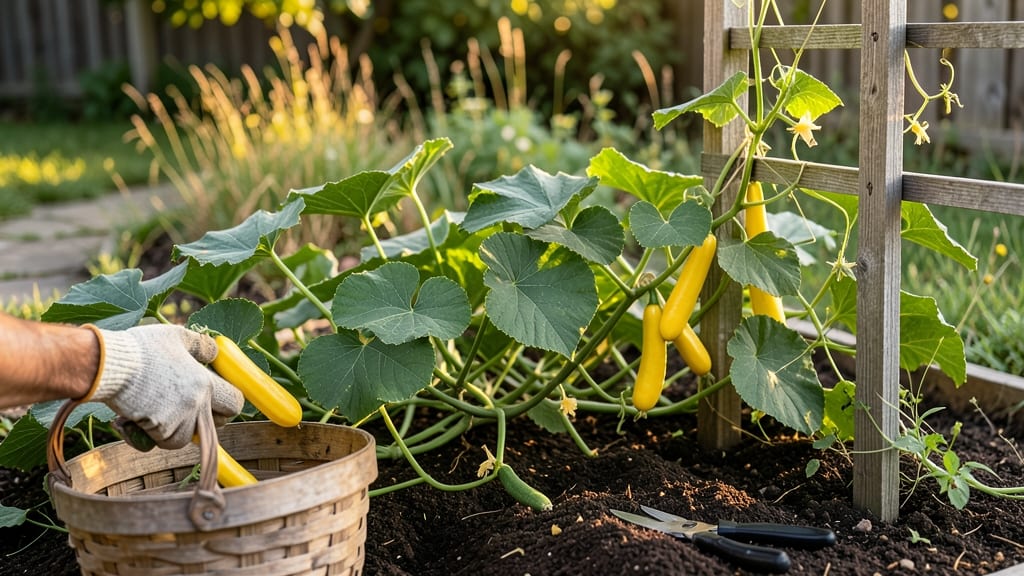
The yellow fruit on your cucumbers isn’t just a sign of overripeness—they’re your garden’s SOS. 🌱 I’ve had entire vines turn yellow from powdery mildew, nutrient starvation, or even pests hiding in the leaves, and the damage spreads fast if you ignore it.
The good news? Most yellowing is fixable. Prune infected leaves immediately, boost water at the roots (not the foliage), and apply neem oil or copper fungicide to stop mildew. For nutrient issues, a balanced fertilizer with extra magnesium gets plants back on track in 1-2 weeks.
📚 In This Guide
- What you need
- Instructions
- Tips and common mistakes
- Wrapping up and next steps
What you need
- ● Cucumbers: 2 medium (organic or conventional, ~12 oz each)
- ● Yellow fruit: Choose one of these (adjust quantities as needed): Yellow mango – 1 large (~12 oz)
- ● Yellow pineapple – 1 cup (fresh or canned, drained)
- ● Yellow peaches – 2 medium (fresh or frozen, thawed)
- ● Yellow nectarines – 2 medium
- ● Supporting fruits: Strawberries – ½ cup (hulled and sliced)
- ● Red grapes – ½ cup (seedless, halved)
- ● Lemon – 1 (for zest and juice)
- ○ Herbs: 2 tbsp fresh mint or basil (optional, for garnish)
- ● Large mixing bowl (stainless steel or glass)
- ● Sharp chef’s knife + cutting board
- ● Peeler (for cucumbers and lemon zest)
- ● Measuring cups and spoons (for precision)
- ● Wooden spoon or spatula (for gentle tossing)
- ○ Optional: Food processor (for quick chopping)
- ● Citrus juicer (if hand-squeezing lemon)
- ● Fine-mesh strainer (for seeds in pineapple)
- ● 🌡️ Chill your fruit: Place cucumbers and yellow fruit in the fridge for 30+ minutes before slicing to enhance flavor.
- ● ✨ Uniform cuts: Slice cucumbers into ½-inch half-moons for even texture.
- ● 🎯 Sweetness balance: Taste your fruit before mixing—add 1 tsp honey or agave if extra sweetness is needed.
Step-by-step guide to growing cucumbers for a classic harvest
Here's the foolproof method I use to grow crisp, flavorful cucumbers every season.
🌱 Step 1: Prepare the Planting Area
Cucumbers thrive in well-draining soil with plenty of organic matter. Work in a 2-inch layer of compost or aged manure into the top 6 inches of soil. This ensures roots get the nutrients they need to produce sweet, vibrant fruit.
Choose a spot that gets full sun (6-8 hours daily). If your garden is shady, opt for bush varieties—they tolerate partial shade better than vining types. I always test the soil pH first—cucumbers prefer 6.0-6.8. If yours is off, add lime to raise it or sulfur to lower it.
🌿 Step 2: Plant Seeds or Transplants at the Right Time
Wait until soil temperatures reach 60°F before planting—cold soil slows germination and invites rot. If you're starting from seed, plant 1 inch deep, spacing seeds 3-4 inches apart in rows. For transplants, dig holes just deep enough to cover the root ball, then space plants 12-24 inches apart depending on the variety.
I like to plant a few seeds extra and thin to the strongest seedlings after 2-3 weeks. Watch for the first true leaves—those are your signal that germination is working. If you're in a short season, opt for fast-maturing varieties like 'Straight Eight' or 'Marketmore' for a quicker harvest.
☀️ Step 3: Provide Support and Consistent Care
Cucumbers are heavy vines, so install trellises, cages, or stakes at planting time. I use 6-foot bamboo stakes tied with soft twine—it gives vines room to climb without breaking. Train vines gently as they grow, guiding them upward to maximize air circulation and reduce disease risk.
Water deeply 1-2 inches per week, keeping soil consistently moist but never soggy. Mulch with straw to retain moisture and prevent weeds. Here's the thing—cucumbers need steady hydration, especially during fruiting. If the soil dries out, fruit turns bitter and develops that classic "yellow fruit" stage too quickly, which is why we focus on even moisture.
✂️ Step 4: Harvest at Peak Ripeness
Harvest cucumbers when they're firm, bright green, and 6-8 inches long for classic slicing varieties. If left on the vine, they'll turn yellow and become seedy—this is their natural ripening process. I pick every 2-3 days to encourage continuous production.
Use pruning shears or a sharp knife to cut stems, leaving ½ inch of stem attached to the fruit. This prevents bruising and disease entry. For pickling varieties, harvest when smaller (2-3 inches) and more uniform in size. Store in the fridge for up to 1 week or use immediately for the freshest flavor.
🌿 Step 5: Maintain Through the Season
Remove yellowed or diseased leaves immediately to keep plants healthy. I also pinch off the first few flowers if your plants are small—this lets the energy go into vine growth first. Fertilize lightly with a balanced 10-10-10 formula every 3-4 weeks once fruit starts setting.
Watch for pests like cucumber beetles or aphids. If you see them, spray with neem oil or insecticidal soap in the evening when bees aren't active. A healthy plant produces more fruit, so don't skip the regular check-ins. By mid-season, you'll have enough cucumbers to enjoy fresh salads all summer long!
Tips & tricks for perfect cucumber-yellow fruit salad
These little tweaks will help you transform your homegrown cucumbers into a refreshing, restaurant-quality dish that's as vibrant as it is delicious.
Harvest Timing: To maximize freshness, harvest your cucumbers in the early morning when they're cool and crisp. The 2-3 day harvesting window mentioned in Step 4 is perfect - this keeps your cucumbers firm and flavorful. I've found that harvesting just before you plan to make the salad gives the best texture and prevents any bitterness that can develop if they sit too long.
Prep Technique: When slicing cucumbers for the salad, use a sharp knife and cut them into thin half-moons rather than thick slices. This creates more surface area for the dressing to cling to while keeping the texture satisfying. For the yellow fruit, try to use varieties like yellow pear tomatoes or yellow bell peppers - their natural sweetness will complement the cucumbers beautifully.
Dressing Balance: The key to a perfect zesty twist is in the dressing proportions. I recommend starting with a 3:1 ratio of olive oil to lemon juice, then adjusting to taste. Add a pinch of salt and a sprinkle of freshly cracked black pepper first - you can always add more lemon or herbs later if needed. This approach prevents overpowering the delicate flavors of the fresh produce.
Storage Wisdom: If you need to prep ingredients ahead of time, store the cucumbers and yellow fruit separately in airtight containers in the refrigerator. I've found they keep best for up to 24 hours this way. When ready to assemble, give everything a quick rinse under cold water to revive the crispness before tossing with the dressing. This simple step makes all the difference in maintaining that fresh-from-the-garden taste.
Pro Tips for Cucumber Yellow Fruit
- These little tweaks will help you transform your homegrown cucumbers into a refreshing, restaurant-quality dish that's as vibrant as it is delicious.
- Harvest Timing: To maximize freshness, harvest your cucumbers in the early morning when they're cool and crisp.
- Prep Technique: When slicing cucumbers for the salad, use a sharp knife and cut them into thin half-moons rather than thick slices.
Frequently asked questions
Got questions about turning cucumbers into a zesty, yellow-fruit-inspired salad? We’ve got answers!
Here are some of the most common queries—plus quick fixes to keep your dish on track.
Why does my cucumber salad look pale instead of vibrant yellow?
Yellow fruit salads rely on color from ingredients like mango, pineapple, or yellow bell peppers. If your mix looks dull, try adding a splash of lemon juice or turmeric powder (just a pinch!) for brightness. For extra zing, toss in diced yellow fruits like papaya or peaches—nature’s built-in color boosters!
How long can I store this salad before it gets soggy?
This salad is best enjoyed fresh within 2–3 hours of prep, especially if using soft fruits like mango or pineapple. To extend its life, store it in an airtight container in the fridge for up to 24 hours, but add the dressing right before serving to keep it crisp. Pro tip: Keep cucumbers and fruits separate until mixing to avoid excess moisture.
Can I substitute cucumbers with another veggie?
Swap cucumbers for zucchini, radishes, or even jicama for a similar crunch. If you’re avoiding cucumbers due to texture, try thinly sliced cabbage or endive for a peppery twist. Just adjust the dressing ratio—denser veggies may need a little more liquid to coat evenly.
What’s the secret to keeping the dressing from making the salad watery?
Balance is key! Use 1 part dressing to 2 parts veggies/fruits and thicken the dressing with a spoonful of Greek yogurt, avocado, or chia seeds. For extra stability, let the salad sit for 10 minutes before serving—this gives the flavors time to meld and the liquid to absorb.
Is this salad safe for kids, or should I skip the spicy elements?
Totally kid-friendly! Skip the chili flakes or hot sauce and opt for a mild lime-honey dressing instead. Use sweet fruits like pineapple or cantaloupe and add a sprinkle of toasted coconut flakes for a fun, crunchy texture. Always check for allergies—especially with tropical fruits!
Wrapping up and next steps
Transforming cucumbers into a vibrant, yellow fruit salad is a fun and creative way to elevate your meals with a zesty twist! 🌟 Whether you're experimenting with flavor pairings or simply looking to add a splash of color to your plate, this recipe proves that fresh, unexpected ingredients can make every bite exciting.
Ready to impress your taste buds? Grab your ingredients and start mixing—your next culinary adventure awaits!
- Next step: Share your colorful creation with friends or family and tag us in your photos!