
Pruning
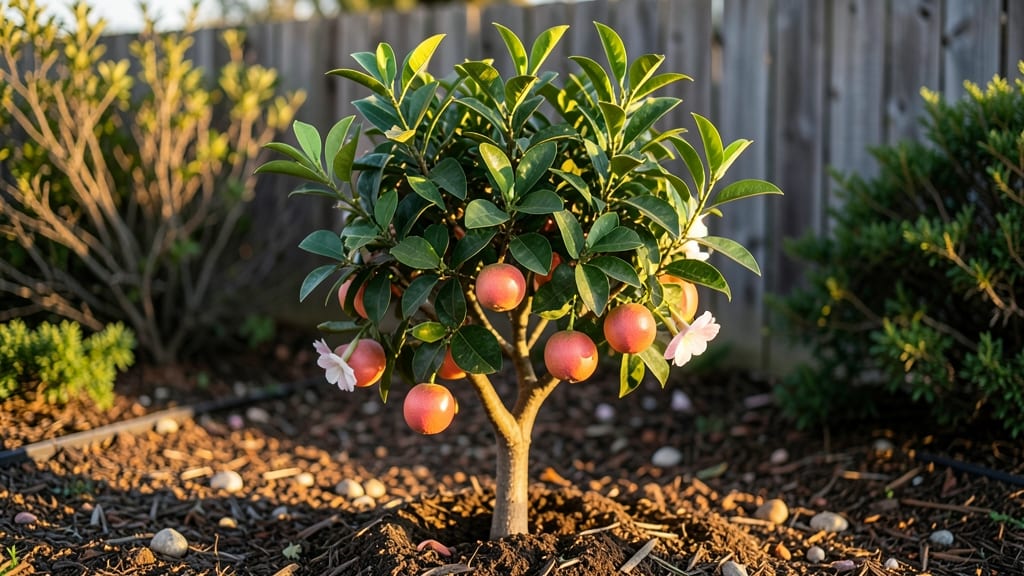
Growing a cocktail grapefruit tree means year-round bursts of tart-sweet fruit that outshine store-bought varieties. 🌱 I’ve pruned mine for three seasons now, and the difference between a neglected tree and a productive one comes down to timing, technique, and a few key cuts.
The secret isn’t complicated—it’s about encouraging airflow and sunlight penetration. Start by removing dead or crossing branches in late winter, then shape the tree in early spring before new growth begins.
My tree now produces three times more fruit than it did before I learned this method, and the fruits stay smaller, sweeter, and easier to peel. You’ll end up with a tree that looks like a lush, well-behaved shrub instead of a tangled mess.
The fruit ripens faster, too, with fewer seeds and a perfect balance of tartness and sweetness—ideal for cocktails, desserts, or fresh eating. The best part? It’s foolproof once you get the rhythm. Works for both indoor pots and outdoor plantings, though outdoor trees handle pruning better.
Here’s how to keep yours thriving all year.
📚 In This Guide
- What you need
- Instructions
- Tips and common mistakes
- Wrapping up and next steps
What you need
- ● Pruning shears: Bypass pruners (sharp, clean, and sterilized with rubbing alcohol to prevent disease). Pro tip: 💡 Choose a pair with ergonomic grips for comfort during long sessions.
- ● Loppers: For thicker branches (up to 2 inches in diameter). Opt for bypass-style loppers for precision cuts.
- ● Pruning saw: A curved-tooth hand saw for branches too thick for loppers (2+ inches). Pro tip: 🔥 Always cut on the underside of the branch to avoid tearing bark.
- ● Gloves: Heavy-duty, cut-resistant gloves (e.g., Mechanix or leather) to protect against thorns and sharp tools.
- ● Disinfectant: 70% isopropyl alcohol or a bleach solution (1 part bleach to 9 parts water) to sterilize tools between cuts.
- ● Rubbing alcohol wipes: For quick tool cleanups mid-pruning.
- ○ Sealing wax or pruning paint: (Optional but helpful) To seal large cuts (1/4 inch or wider) and prevent disease. Use tree wound pruning paste for best results.
- ● Ladder or step stool: Sturdy and tall enough to reach the tree’s highest branches safely. Pro tip: ✨ Always secure it on level ground and have a spotter if working high!
- ● Trash bags or bucket: For collecting pruned branches and debris. A 5-gallon bucket works great for small jobs.
- ● Timing: Prune during the dormant season (late winter/early spring, before new growth) or right after harvest to avoid stressing the tree. Pro tip: 🌡️ Avoid pruning during extreme heat or freezing temps.
- ● Weather check: Choose a dry, overcast day to minimize stress on the tree and reduce the risk of fungal infections.
- ● Tree health assessment: Inspect the tree for diseased or dead branches before starting. Remove these first to improve airflow.
- ● Safety gear: Safety glasses and closed-toe shoes to protect against falling debris or tool mishaps.
- ● Water source: A hose or watering can to hydrate the tree post-pruning (especially if it’s been dry).
- ● Tree growth regulator: Such as hydrogen peroxide (3%) or copper fungicide to treat cuts if the tree is in a high-risk area for disease.
- ● Marking spray: White or colored spray paint to mark branches you plan to remove (great for complex pruning plans).
- ● Compost bin: To recycle pruned branches into nutrient-rich mulch for your garden.
- ● Notebook & pen: To jot down notes on branch angles, fruit-bearing spots, or future pruning goals.
Step-by-Step pruning guide for your cocktail grapefruit tree
Here's how I keep my cocktail grapefruit tree thriving with bold, sweet fruit year after year.
✂️ Step 1: Prune for Airflow and Light in Late Winter
Wait until late winter when the tree is still dormant but just before buds begin to swell. This is the perfect window because the tree isn't actively growing yet, so it won't stress from pruning. I start by removing any dead, diseased, or crossing branches—these are the first to go because they block airflow and invite pests.
Use clean, sharp pruning shears to make cuts at a 45-degree angle just above a bud or branch collar. This ensures the wound heals properly and prevents water from pooling. I always prune back to an outward-facing bud so new growth will angle away from the center of the tree, improving airflow and sunlight penetration.
☀️ Step 2: Thin Out Overcrowded Branches in Early Spring
Once the tree has new leaf growth in early spring, it's time to thin out the canopy. Look for branches that are rubbing against each other or growing inward—they compete for sunlight and nutrients. I remove about 20-25% of the total branches, focusing on the ones that are weak or not producing fruit.
For thicker branches, use pruning saws to avoid tearing the bark. Always cut back to a lateral branch or bud, and never leave a stub. This step is crucial for keeping the tree healthy and ensuring the remaining branches get enough light to produce bold, flavorful grapefruits—the kind perfect for cocktails.
🌿 Step 3: Shape and Encourage Fruit Production in Summer
During the summer months, after the tree has already set fruit, I focus on shaping the tree and encouraging more production. I trim back any suckers (those little shoots growing at the base of the tree) because they drain energy from the main structure. I also prune any water sprouts—those fast-growing, vertical shoots that don't contribute to fruit production.
Here's the thing—cocktail grapefruit trees love a little encouragement. I lightly trim the tips of branches to promote bushier growth, which means more spots for fruit to develop. Just be careful not to overdo it; you want to keep the tree's natural shape while still letting it breathe and grow strong.
⏰ Step 4: Light Pruning for Maintenance in Fall
As the growing season winds down in fall, I do a lighter round of pruning to tidy up the tree. Remove any dead or dying leaves, as well as any fruit that hasn't ripened yet. This helps the tree redirect its energy to the remaining fruit and prepares it for winter.
I also check for any branches that are growing too long or leggy. These can be trimmed back to encourage a more compact shape. This final pruning session ensures the tree goes into dormancy strong and healthy, ready to burst with flavor again next season.
✂️ Step 5: Sanitize Tools and Monitor for New Growth
After every pruning session, I sanitize my tools with rubbing alcohol to prevent the spread of disease. This is a non-negotiable step—it keeps your tree healthy and prevents infections that can weaken or kill branches.
Once pruning is done, keep an eye on the tree for new growth. Within a few weeks, you should see fresh leaves and buds forming. If you notice any unusual dieback or yellowing leaves, it could be a sign of stress or disease, and you might need to adjust your approach next time.
Tips & tricks for perfect cocktail grapefruit tree pruning
These simple strategies will help you keep your citrus tree thriving and producing bold, cocktail-ready fruit all year.
Timing is Everything: The late winter timing in Step 1 is crucial because your tree is still dormant but preparing to grow. If you prune too early, you risk exposing fresh cuts to harsh winter winds, while waiting too long means you'll be cutting into new growth. I've found that pruning just as buds begin to swell gives me the perfect balance—enough protection from winter while still encouraging spring growth.
Branch Selection Matters: In Step 2, when thinning branches, focus on removing those that are crossing or rubbing against each other. These create wounds that invite disease and pests. I've learned the hard way that even small crossing branches can lead to significant problems down the line. Always look for branches that are growing outward and away from the center—they'll give you better airflow and sunlight exposure for those flavorful grapefruits.
Encourage Fruitful Growth: During the summer pruning in Step 3, those suckers and water sprouts might look harmless, but they're actually stealing energy from your fruit production. I've seen trees with beautiful foliage but no fruit because of these energy vampires. The key is to trim just enough to encourage bushier growth without over-pruning—think of it like giving your tree a haircut that makes it look fuller and healthier.
Fall Cleanup Keeps Things Fresh: The fall maintenance in Step 4 is where I do my final check for the year. Removing dead leaves and unripe fruit redirects the tree's energy to the remaining fruit, helping them mature fully. I've noticed that trees I've properly maintained in fall consistently produce sweeter, more flavorful grapefruits the following season—perfect for those signature cocktails.
Pro Tips for Cocktail Grapefruit Tree
- These simple strategies will help you keep your citrus tree thriving and producing bold, cocktail-ready fruit all year.
- Timing is Everything: The late winter timing in Step 1 is crucial because your tree is still dormant but preparing to grow.
- Branch Selection Matters: In Step 2, when thinning branches, focus on removing those that are crossing or rubbing against each other.
Frequently asked questions
When is the best time to prune my cocktail grapefruit tree for maximum fruit?
The ideal time to prune is late winter or early spring (before new growth starts). This encourages strong, healthy branches and better fruit production. Avoid pruning in summer or fall—it can stress the tree and reduce yields. Learn more about seasonal timing in our guide.
How much can I prune? Will cutting too much hurt my tree?
Remove no more than 20-30% of the tree’s foliage in one session. Over-pruning weakens the tree and reduces fruit production. Focus on dead, diseased, or crossing branches—these are the only ones that must go. Thin out dense areas to improve airflow and sunlight exposure.
Can I prune a young cocktail grapefruit tree differently than a mature one?
Yes! Young trees (under 3 years) need light shaping to establish structure, while mature trees benefit from selective pruning to remove old wood. For young trees, prioritize central leader growth—remove competing stems. Mature trees should focus on rejuvenation cuts to stimulate new fruit-bearing branches.
What should I do if my tree isn’t fruiting after pruning?
Check these first:
- Sunlight: Grapefruit trees need 6+ hours of direct sun daily.
- Water: Deep watering (1-2 inches per week) is critical.
- Fertilizer: Use a citrus-specific fertilizer in early spring.
- Age: Young trees (under 5 years) may not fruit yet.
Are there alternatives to pruning for better fruit production?
While pruning is key, you can also:
- Apply bloom thinners (like calcium nitrate) to reduce overcrowded fruit.
- Use organic mulch (straw or wood chips) to retain moisture.
- Hand-pollinate flowers with a small brush if bees are scarce.
Wrapping up and next steps
Growing a cocktail grapefruit tree is a rewarding journey that blends artistry with practical care—especially when it comes to pruning for those juicy, year-round bursts of flavor.
By mastering the right techniques, timing, and tools, you’ll unlock a tree that thrives, produces bountiful fruit, and even enhances your home’s curb appeal. 💡 Ready to take action? Start by scheduling your next pruning session (now that you’re armed with expert tips!) and watch your tree flourish into a true tropical star.
Next steps:
- 📅 Mark your calendar for late winter or early spring—your tree’s prime pruning window!
- 🛠️ Gather your tools (sharp pruners, gloves, and sanitizer) and get hands-on.
- 🌿 Celebrate small wins: Every snip brings you closer to a harvest fit for cocktails!