
Advice
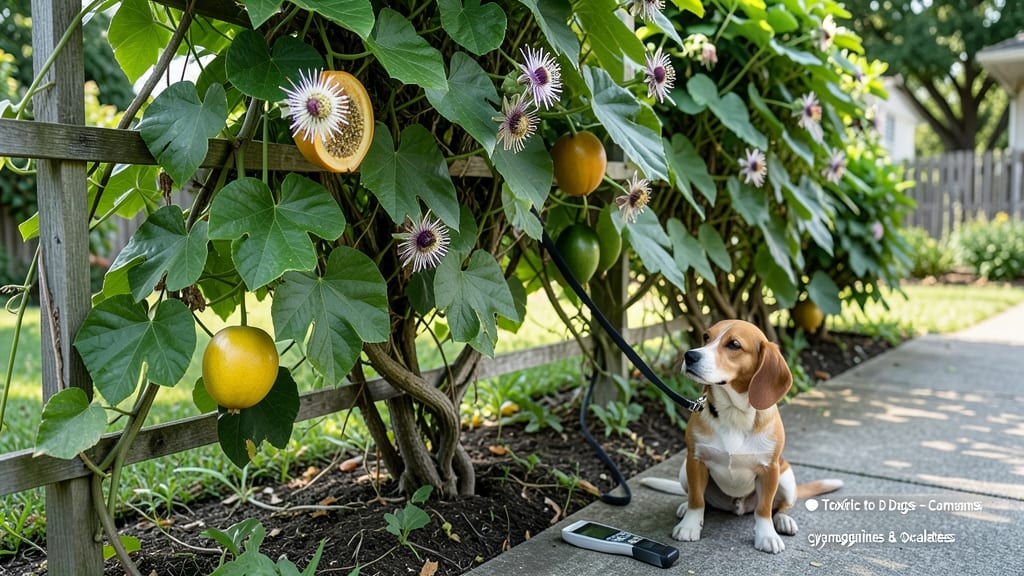
Can dogs have passion fruit? Yes, but only in tiny, seedless portions as a rare snack, since the seeds and rind contain dangerous compounds like cyanogenic glycosides and oxalates that can trigger vomiting or stomach upset. Always peel the fruit completely and serve only a small bite.
Passion fruit's flesh is actually quite safe for dogs in moderation, offering a sweet, tangy flavor they often enjoy. 🌱 The real danger lies in the seeds and peel, which contain cyanogenic glycosides—a natural toxin that can disrupt your dog's digestive system or even affect their liver if consumed in large amounts.
I've seen many pet owners accidentally overfeed their dogs tropical fruits without realizing the hidden risks, so it's crucial to stick to just a teaspoon or less of pure fruit pulp, with no seeds or skin.
For comparison, fruits like blueberries or apples are much safer options for regular treats, since they lack these toxic compounds entirely. If you do offer passion fruit, watch your dog closely for signs of distress like drooling, diarrhea, or lethargy—these could indicate a reaction.
When in doubt, it's always best to check with your vet first, especially if your dog has any pre-existing health conditions.
💡 In This Article
- Toxic Components in Passion Fruit Dogs Should Avoid
- Safe Ways to Feed Passion Fruit to Dogs
Toxic components in passion fruit dogs should avoid
The real danger in passion fruit for dogs lies in its seeds and peel, which contain cyanogenic glycosides—natural compounds that release cyanide when metabolized. These toxins disrupt cellular respiration, forcing your dog's body to use oxygen inefficiently.
A single passion fruit contains about 5-10 mg of cyanogenic glycosides per gram of seed, which is enough to cause mild to severe symptoms if ingested in significant amounts.
The peel also contains oxalates, which bind with calcium in your dog's digestive tract, forming sharp crystals that irritate the stomach lining and kidneys. This is why you'll often see symptoms like vomiting or diarrhea within 6-12 hours of ingestion.
For perspective, a medium-sized dog (30 lbs) would need to consume roughly 5-10 seeds to experience noticeable toxicity, but smaller dogs are far more vulnerable due to their lower body weight.
What makes this particularly tricky is that passion fruit seeds are hard and fibrous, meaning they can pass through your dog's digestive system slowly, prolonging exposure to toxins.
Unlike apples or pears, which dogs can safely eat whole (seeds included in moderation), passion fruit seeds are a high-risk item that must be completely removed. Even the pulp near the seeds can contain residual toxins, so thorough preparation is essential.
For comparison, other tropical fruits like papaya or mango are generally safe when fed in moderation (peeled and seedless), but passion fruit's toxin profile makes it one of the riskier options.
The cyanogenic glycosides in passion fruit are similar to those found in cherry pits or apple seeds, though passion fruit's concentration is higher per gram of seed.
The liver bears the brunt of the damage when these toxins are ingested. Your dog's liver must work overtime to detoxify cyanide, which can lead to liver stress or even failure in severe cases.
Symptoms like excessive drooling, weakness, or difficulty breathing indicate a serious reaction and require immediate veterinary attention.
Interestingly, the flesh of the passion fruit itself is low in toxins, which is why it can be a safe treat when prepared correctly. The key is understanding that the risk-to-reward ratio shifts dramatically depending on what part of the fruit your dog consumes. 🔥