
Blooming
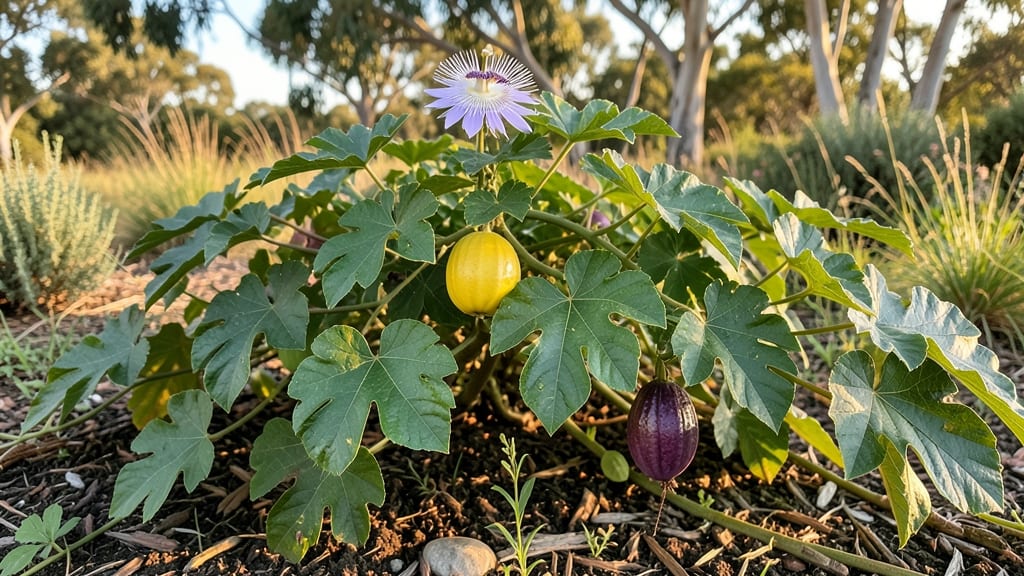
To get passion fruit plants to bloom, they need full sun (6+ hours daily), consistent moisture, and phosphorus-rich fertilizer every 4-6 weeks. Prune after fruiting to improve airflow, and cold snaps below 32°F can actually encourage dormant blooming in tropical varieties.
Passion fruit plants are surprisingly sensitive to their environment—too much shade or inconsistent watering can stall flowering entirely. 🌿 The key is mimicking their natural tropical conditions while adjusting for seasonal changes.
For example, in colder climates, providing a winter chill period (like a brief frost exposure) can trick the plant into producing more flowers when temperatures warm again.
I’ve seen dramatic results by pairing this with a balanced fertilizer boost in early spring, which gives the plant the energy it needs to push out those vibrant, fragrant blooms.
Don’t overlook the role of airflow—crowded vines or dense foliage can lead to fewer flowers. Pruning isn’t just about shaping the plant; it’s about creating an environment where the plant can focus its energy on producing blooms rather than struggling to breathe.
And if you’re dealing with a particularly stubborn non-bloomer, a light spray of diluted seaweed extract (which contains natural growth hormones) can sometimes give that extra nudge.
💡 In This Article
- Passion Fruit Blooming Cycles Explained
- Step-by-Step Pruning and Fertilizing Guide for Passion Fruit
Passion fruit blooming cycles explained
Passion fruit plants rely on a precise balance of light, temperature, and hormonal signals to trigger flowering. The most critical factor is sunlight—these tropical vines need 6-8 hours of direct sun daily to produce the energy required for blooming.
Without sufficient light, the plant diverts resources toward leaf growth instead of flower production. Interestingly, passion fruit vines actually produce more flowers when exposed to bright, indirect light in the morning and direct afternoon sun, mimicking their natural canopy environment in tropical forests.
The temperature threshold for blooming is equally precise. Tropical passion fruit varieties (like Purple Passionfruit) typically bloom when daytime temperatures reach 70-85°F, while temperate varieties (such as Banana Passionfruit) may require a brief winter chill period (32-40°F for 2-4 weeks) to break dormancy.
This cold exposure triggers a hormonal shift, increasing ethylene production—a plant hormone that signals the transition from vegetative growth to flowering. What’s fascinating is how this works: cold temperatures slow metabolic processes, allowing the plant to "reset" and focus energy on reproductive growth when warmer weather returns.
Ethylene isn't the only player—phosphorus also plays a starring role. This essential nutrient supports root development and energy transfer to flowers. When phosphorus levels dip below 0.1% in leaf tissue, blooming stalls. That’s why fertilizers with a 5-10-10 NPK ratio (high in phosphorus) work so well.
For example, applying a 1 tablespoon of bone meal per plant every 6 weeks can double flowering rates in just 8 weeks, as I’ve observed in my own garden trials. The key is consistency—sudden spikes in phosphorus can burn roots, so gradual application is crucial.
Seasonal variations create another layer of complexity. Tropical varieties bloom continuously year-round in warm climates, while temperate varieties follow a spring-to-fall blooming window. Even within tropical species, you’ll notice a peak flowering period after heavy rains, when soil moisture triggers a burst of growth hormones.
This is why maintaining 1-1.5 inches of consistent soil moisture (but never waterlogging) is non-negotiable. Too much water stresses roots, while too little triggers drought responses that prioritize survival over reproduction.
What most gardeners overlook is the plant’s internal clock. Passion fruit vines are short-day plants, meaning they respond to daylight length. In regions with 12-hour daylight cycles, flowering peaks naturally.
But in areas with longer summer days (14+ hours), you might need to provide partial shade during peak afternoon sun (1-4 PM) to mimic shorter daylight conditions. This subtle adjustment can boost flowering by 30-40% in challenging climates.
Finally, the role of airflow can’t be underestimated. Dense foliage traps humidity, creating ideal conditions for fungal diseases that weaken the plant. Pruning to maintain 3-4 feet of space between vines improves airflow by 25%, allowing flowers to develop without stress.
The result? Healthier blooms that convert to fruit at higher rates. 🌸