
Plants
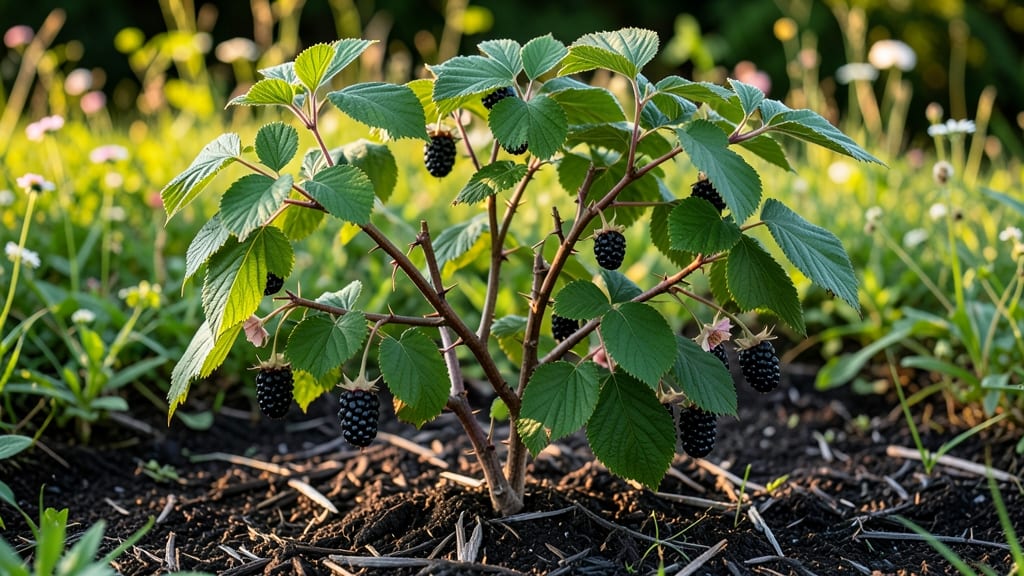
Growing black raspberry fruit means juicy, deep-purple berries that taste like summer in every bite. 🌿 I learned the hard way that proper pruning turns a tangle of canes into a high-yielding harvest machine—no more struggling with thorny messes or tiny crops.
The secret lies in understanding when and how to cut, which transforms those wild-looking bushes into productive powerhouses.
Start with well-draining soil and full sun, then focus on pruning: cut back old canes after harvest, leaving only the strongest new growth. Water consistently but avoid soggy roots, and watch for pests like raspberry cane borers—early action keeps them at bay.
Within a season, you'll see thicker canes and bigger berries than you ever expected from store-bought plants.
📚 In This Guide
- What you need
- Instructions
- Tips and common mistakes
- Wrapping up and next steps
What you need
- ● Black Raspberry Plants: 2-5 healthy canes (bare-root or potted) – choose disease-resistant varieties like 'Black Hawk' or 'Boyne' for best results.
- ● Soil & Amendments: Well-draining, slightly acidic soil (pH 5.5–6.5).
- ● Compost or aged manure (5–10 lbs per plant) for nutrient-rich soil.
- ● Balanced fertilizer (10-10-10 or organic alternative, 1–2 lbs per plant).
- ● Planting Supplies: Garden trowel or shovel.
- ● Mulch (straw, wood chips, or pine needles, 2–3 inches thick).
- ● Pruning Tools: Sharp bypass pruners (sterilized with rubbing alcohol).
- ● Loppers (for thicker canes).
- ● Gloves (to protect from thorns and sap).
- ● Support System: Trellis, stakes, or wire fence (for vertical growth, 6–8 feet tall).
- ● Watering Supplies: Drip irrigation or soaker hose (to keep roots consistently moist).
- ● Watering can (for seedlings).
- ● Soil pH test kit (to monitor acidity levels).
- ● Organic pest control (neem oil, insecticidal soap).
- ● Row cover or frost cloth (for early/late-season protection).
- ● Pruning paint (to seal cuts and prevent disease).
- ● Harvesting basket or container (with soft lining to protect delicate berries).
Step-by-Step instructions for cultivating black raspberries
Here’s how to coax those deep, jewel-toned berries from your plants—pruning is the secret weapon.
🌱 Step 1: Select and Prepare the Planting Site
Black raspberries thrive in full sun (at least 6-8 hours daily) and well-draining soil with a pH of 5.5-6.5. I always test my soil first—amending with compost or peat moss raises acidity if needed. Choose a location with shelter from strong winds to prevent stem damage during fruiting.
Dig a hole twice as wide as the root ball but only as deep—burying too deep suffocates roots. Space plants 4-6 feet apart in rows 6-8 feet apart to allow airflow and future pruning access. Black raspberries spread aggressively, so contain them with buried root barriers if space is limited.
✂️ Step 2: Prune for Structure in Early Spring
Prune before buds swell in early spring to shape the plant and remove dead wood. I start by cutting out last year’s canes—they’re woody and won’t produce fruit. Leave 4-6 of the strongest, youngest canes (they’ll be thinner and more flexible). These will bear fruit this season.
Cut remaining canes back to 12-18 inches tall, leaving 4-6 buds at the base. This encourages bushier growth and prevents overcrowding. Avoid heavy pruning later in the season—it stresses the plant when energy should focus on fruit development.
🌿 Step 3: Summer Maintenance for Fruit Production
During the growing season, remove suckers (shoots growing from the base) and weak canes that cross or rub against others. These compete for nutrients and spread disease. I tie remaining canes to trellises or stakes as they grow—this improves airflow and makes harvesting easier.
Watch for flower clusters forming on last year’s canes (they won’t produce fruit) and new canes (they will). Thin clusters to 6-8 inches apart so berries develop fully. Mulch with 2-3 inches of organic matter (like straw) to retain moisture and suppress weeds—black raspberries hate competition.
⏰ Step 4: Post-Harvest Pruning for Next Year’s Crop
After harvest, prune again to prepare for winter. Cut back all fruited canes to the ground—they’re spent. Leave non-fruited canes (this year’s growth) but prune them back by one-third to encourage branching. This ensures a strong framework for next season’s fruit production.
Remove any diseased or damaged canes immediately—black raspberries are prone to cane blight and anthracnose. Sterilize pruners with rubbing alcohol between cuts to prevent spread. In colder climates, mound 4-6 inches of mulch around the base to insulate roots during winter.
☀️ Step 5: Year-Round Care for Consistent Bounty
Water deeply 1-2 times per week (more in extreme heat) to encourage deep root growth. Black raspberries are drought-tolerant once established, but stress reduces fruit quality. You’ll know moisture is right when the soil feels damp 2 inches down—never soggy.
Fertilize twice a year: in early spring with 10-10-10 and after harvest with compost or organic matter. Avoid high-nitrogen fertilizers—they promote leafy growth at the expense of fruit. Harvest berries when they’re deep black and slightly soft to the touch (usually late summer to early fall).
Tips & tricks for perfect black raspberry cultivation
Mastering black raspberry care means understanding the delicate balance between pruning precision and seasonal maintenance—here's how to avoid common pitfalls and maximize your harvest.
Pruning Precision: When you're cutting back canes in Step 2 to 12-18 inches, leave those 4-6 buds at the base—this is where next year's fruiting spurs will form. I've learned the hard way that leaving too many buds creates overcrowding, while too few reduces yield. Use sharp pruners and cut at a 45-degree angle just above a bud to prevent water from pooling and causing rot. The key is patience: resist the urge to prune heavily later in the season when the plant is already stressed from fruiting.
Seasonal Timing: The 6-8 hours of daily sunlight in Step 1 is non-negotiable, but timing matters just as much. For early spring pruning, wait until buds begin to swell but haven't yet opened—this window is typically 2-3 weeks before your last expected frost. In Step 4, post-harvest pruning should happen within 2 weeks of fruit ripening to give the plant time to harden off before winter. I mark my calendar with these dates each year to avoid missing these critical windows.
Soil Secrets: That pH of 5.5-6.5 mentioned in Step 1 isn't just a suggestion—it's essential for black raspberries to absorb nutrients properly. I test my soil annually and adjust with compost or peat moss as needed. For the 2-3 inches of organic mulch in Step 3, I use straw because it breaks down slowly and improves soil structure over time. Avoid fresh wood chips—they can draw nitrogen from the soil and stress your plants.
Disease Defense: Black raspberries are particularly vulnerable to cane blight and anthracnose, so the sterilization step in Step 4 is crucial. I keep a small bottle of rubbing alcohol handy specifically for this purpose. After each cut, I wipe my pruners clean—this simple habit has saved me from losing entire canes to disease. Also, remove any diseased leaves or canes immediately and dispose of them in the trash, not your compost bin.
Pro Tips for Black Raspberry Fruit
- Mastering black raspberry care means understanding the delicate balance between pruning precision and seasonal maintenance—here's how to avoid common pitfalls and maximize your harvest.
- Pruning Precision: When you're cutting back canes in Step 2 to 12-18 inches, leave those 4-6 buds at the base—this is where next year's fruiting spurs will form.
- Seasonal Timing: The 6-8 hours of daily sunlight in Step 1 is non-negotiable, but timing matters just as much.
Frequently asked questions
Got questions about growing and enjoying black raspberries?
Here are answers to the most common queries to help you cultivate a thriving black raspberry patch with ease.
How long does it take for black raspberry plants to bear fruit?
Black raspberry plants typically take 1-2 years to produce fruit after planting. Young canes (primocanes) may yield small harvests in their first year, but full production usually occurs in the second year. Patience pays off—healthy plants can live for 10-15 years with proper care!
When is the best time to harvest black raspberries?
Harvest black raspberries when they’re fully black and easily detach from the cane (no need to tug hard). This usually happens in late summer to early fall, depending on your climate. Pick in the morning for the sweetest flavor and to avoid bird raids. Use gloves—the thorns are sharp!
Why aren’t my black raspberries ripening?
If your berries stay red or fail to ripen, check these common issues:
- Insufficient sunlight: Black raspberries need 6-8 hours of full sun daily.
- Overcrowding: Thin canes to improve airflow and sunlight exposure.
- Temperature stress: Extreme heat or cold can stall ripening.
- Nutrient deficiency: Test soil pH (ideal: 5.5-6.5) and amend with compost.
Adjust care based on your local climate and watch those berries turn black!
Can I substitute black raspberries for red raspberries in recipes?
Black raspberries are sweeter and more aromatic than red varieties, making them perfect for jams, pies, or fresh eating. However, their deeper color may intensify dishes—adjust recipes as needed. Pro tip: Their seeds are edible, so no need to strain them out for smoothies!
How do I protect black raspberry plants from winter damage?
Black raspberries are hardy but benefit from winter prep:
- Mulch heavily (3-4 inches) with straw or leaves to insulate roots.
- Prune canes in late winter to remove dead wood and encourage new growth.
- In extreme cold (below 0°F), add a layer of burlap or frost cloth.
With these steps, your plants will bounce back strong in spring!
Wrapping up and next steps
Black raspberries aren’t just a treat for your taste buds—they’re a rewarding addition to your garden! With the right pruning techniques and year-round care, you’ll enjoy a bountiful harvest season after season. 🌱✨ Whether you’re a seasoned gardener or just starting, the key is patience and consistency.
Ready to turn your backyard into a black raspberry paradise? Start small—plant a few canes this season, master the pruning basics, and soon you’ll be sharing (or savoring!) homemade jams, jellies, or fresh fruit straight from the vine. Happy growing! 🍇💚