
Vegetables
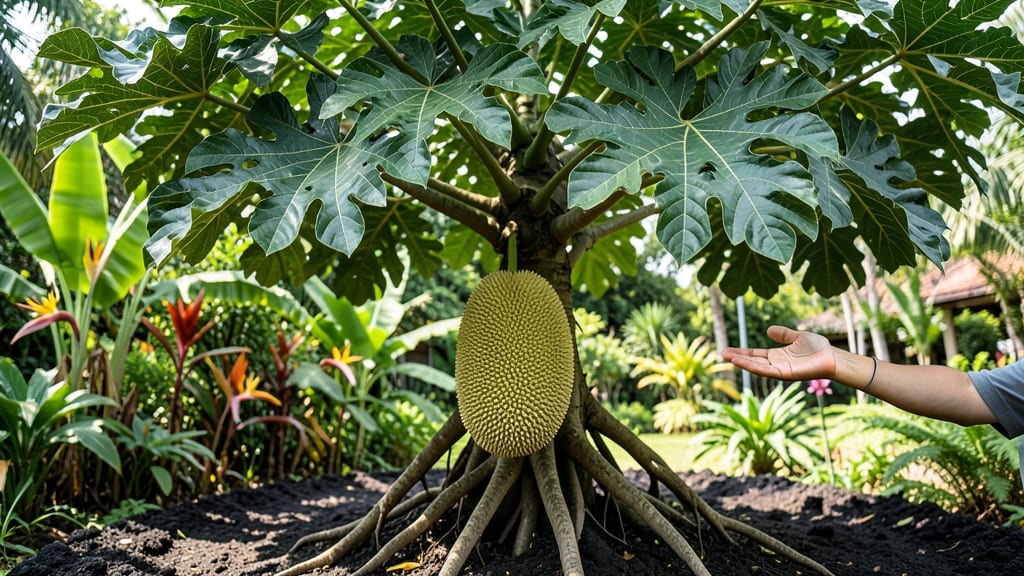
The biggest round fruits are the papaya, watermelon, and pumpkin, with some varieties exceeding 20 inches in diameter. Pumpkins frequently lead in size, while watermelons and papayas deliver impressive dimensions in their respective categories.
When you think of giant round fruits, you're likely picturing those massive specimens you've seen at pumpkin patches or farmers' markets. 🌟 The size differences come down to genetics, growing conditions, and how much space the fruit has to expand.
Tropical fruits like papayas can reach 12-15 inches in diameter when grown in ideal conditions, while watermelons—especially heirloom varieties—can swell to 25+ pounds with diameters over 18 inches. Pumpkins, though technically vegetables, often win the size competition, with some varieties exceeding 100 pounds and 30 inches across.
The key to growing these giants is consistent watering, rich soil, and plenty of sunlight—factors that let their vines and stems support that extra weight.
What's fascinating is how these fruits adapt to their environments. For instance, watermelons grown in hot, dry climates tend to develop thicker rinds and smaller sizes, while those in humid regions can become massive. 💛 This is why many record-breaking specimens come from specialized farms that control these variables.
If you're trying to grow your own giant round fruits, focus on selecting disease-resistant seeds, providing trellises for support, and monitoring moisture levels closely—small adjustments can make a big difference in final size.
💡 In This Article
- Why Some Round Fruits Grow Larger Than Others
- Top 5 Giant Round Fruits for Home Gardens
Why some round fruits grow larger than others
The size of round fruits like pumpkins, watermelons, and papayas is primarily determined by their genetic makeup and environmental conditions. 🌱 Genetics set the upper limit—some varieties are bred specifically for massive growth, like the Atlantic Giant pumpkin, which can weigh over 2,000 pounds due to carefully selected traits.
These traits include larger seed cavities, thicker vines for support, and faster photosynthesis rates. For example, heirloom watermelon varieties like 'Moon and Stars' are bred to grow significantly larger than commercial types, often exceeding 15 inches in diameter.
Environmental factors play an equally critical role. Sunlight exposure is key—round fruits need 6-8 hours of direct sunlight daily to develop their full size. 🌞 In tropical climates, papayas thrive with consistent warmth and high humidity, allowing them to reach 12-15 inches in diameter.
Meanwhile, temperate-climate fruits like pumpkins benefit from long growing seasons, where cooler nights help slow down fruit maturation, giving them more time to expand. Water intake also matters: too little causes stunted growth, while overwatering can dilute nutrients.
The ideal approach is 1-2 inches of water per week, delivered directly to the roots.
Soil composition and nutrient availability further influence size. Round fruits require well-draining soil rich in organic matter, with a balanced mix of nitrogen, phosphorus, and potassium. 🌿 For instance, watermelons grown in sandy loam soil often achieve larger sizes compared to those in clay-heavy soil.
Additionally, the physical support provided by trellises or mounds helps prevent the fruit from touching the ground, reducing rot and allowing for unobstructed growth. Without these supports, fruits may develop uneven shapes or fail to reach their full potential.
Temperature fluctuations also impact size. Extreme heat or cold can stress plants, leading to smaller fruits. 🌡️ For example, watermelons grown in regions with temperatures above 90°F often develop smaller sizes due to accelerated ripening.
Conversely, cooler climates can extend the growing season, allowing fruits to mature more slowly and grow larger. This is why many record-breaking specimens are cultivated in controlled environments where temperature, humidity, and light exposure are carefully monitored.
Another fascinating factor is the role of hormones in fruit development. Auxins and gibberellins—natural plant hormones—promote cell division and elongation, directly influencing fruit size. 🌿 Some commercial growers use synthetic versions of these hormones to enhance growth, though organic methods like composting and mulching can naturally boost hormone production.
The result? Fruits that grow larger while maintaining their structural integrity and flavor.
Finally, the spacing between plants matters. Overcrowding leads to competition for nutrients and sunlight, stunting growth. 🌱 Proper spacing—typically 3-6 feet apart for pumpkins and watermelons—gives each plant enough room to develop strong vines and support larger fruits.
When these conditions align, the result is round fruits that not only look impressive but also taste sweeter and more flavorful.