
Plants
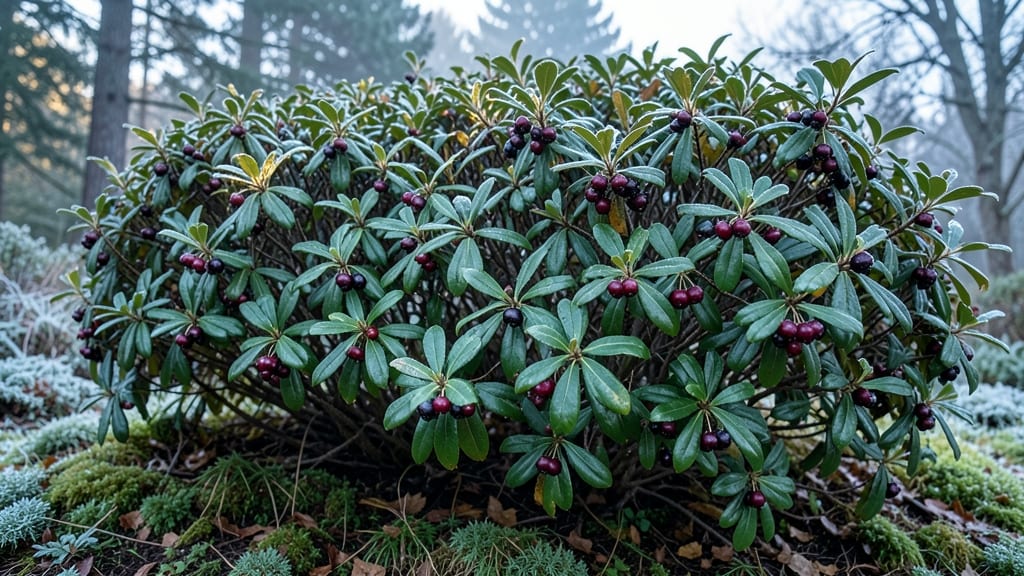
Transform your garden into a berry paradise with these 10 hardy, flavorful berry varieties that thrive in diverse climates—from sun-drenched patios to shady woodland edges. Each selection offers unique benefits for yield, taste, and ease of care.
Blueberry Bushes for Acidic Soil Gardens
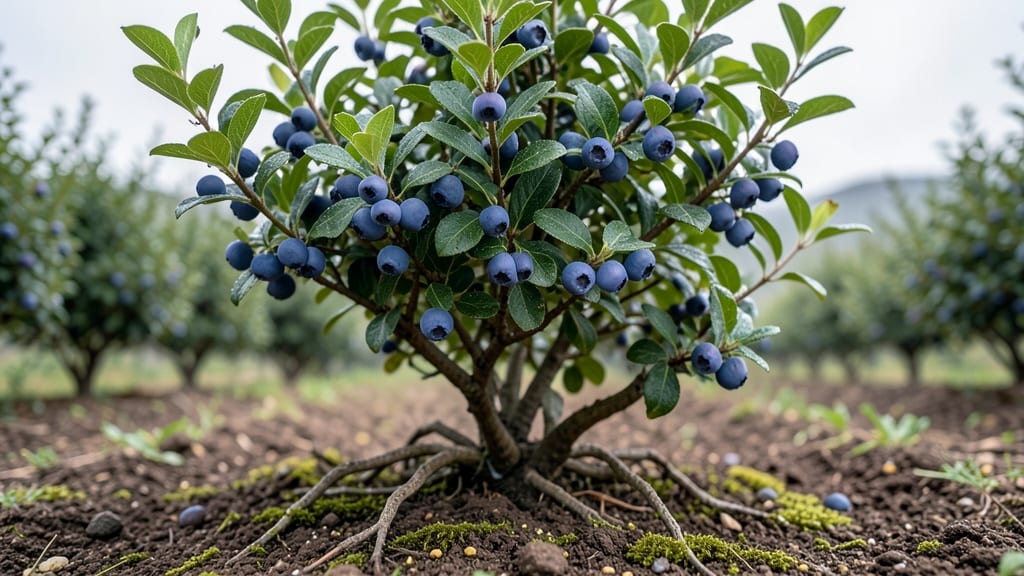
Cold-hardy blueberry bushes are the ultimate low-maintenance berry for gardeners in zones 3-7 who want sweet, antioxidant-packed fruit without the fuss. Unlike finicky berries, these thrive in acidic soil (pH 4.5-5.5)—a simple soil test and amendment with sulfur or peat moss is all it takes to set them up for success.
Once established, blueberries need just 6 hours of sun daily and consistent moisture (1-1.5 inches per week). Varieties like 'Bluecrop' or 'Jersey' produce fruit for decades with minimal pruning—simply remove dead wood in late winter. The real magic? Their disease resistance means fewer pesticides and more berries for you.
Perfect for backyard orchards or small homesteads, these bushes reward patience with year-round interest—spring blooms, summer shade, and autumn foliage. 💚
Strawberry Plants Perfect for Containers
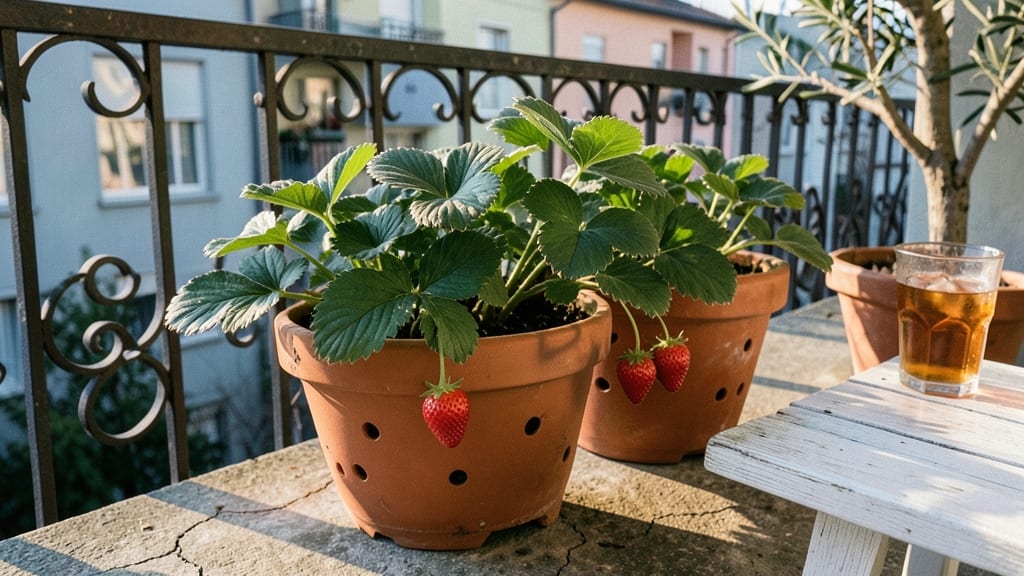
No yard? No problem! Everbearing strawberries are the ultimate solution for urban gardeners, transforming balconies and patios into productive edible spaces. These compact varieties produce fruit continuously from spring to fall, making them the most efficient berry choice for containers.
Choose trailing varieties like 'Alpine' or 'Seascape' that spill beautifully over pot edges while keeping roots contained. Plant in well-draining soil with a minimum 6-inch depth and ensure containers receive 6-8 hours of sun daily. Water consistently to keep soil moist but not soggy—containers dry out faster than in-ground beds. With proper care, a single 12-inch pot can yield pounds of berries season after season.
This is the perfect berry for renters, apartment dwellers, or anyone with limited space who still wants fresh, homegrown fruit. 🌱
Raspberry Canes Thriving in Partial Shade
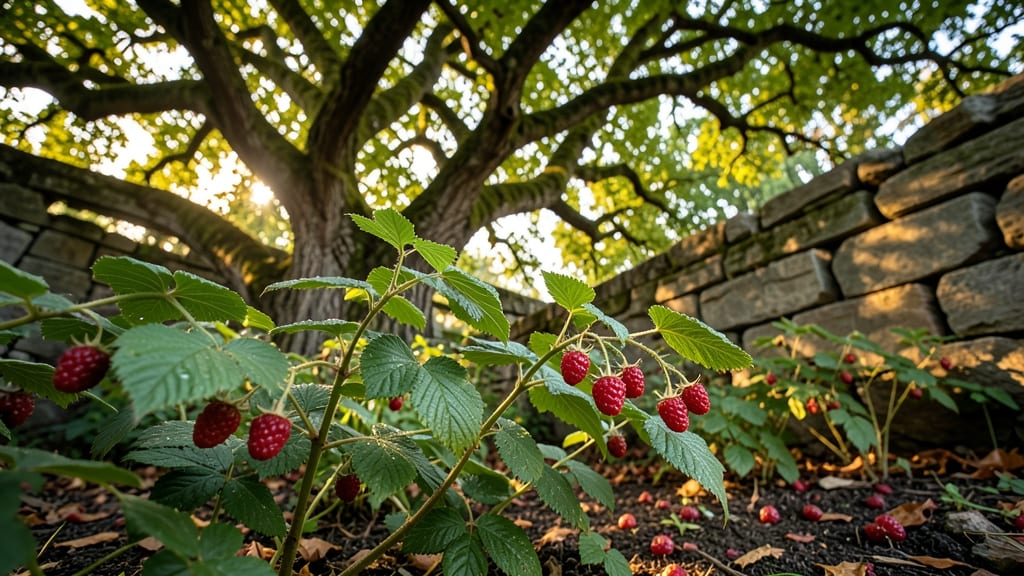
If your garden has areas with only partial shade—like under tall trees or along north-facing walls—don’t skip growing raspberries. These hardy canes thrive in zones 4-9, producing sweet, juicy berries even when sunlight is limited. Varieties like Heritage and Nova are perfect for cooler climates, delivering reliable harvests with minimal fuss.
Plant raspberry canes in well-draining soil with morning sun and afternoon shade for best results. They need support from trellises or fences to keep canes upright and improve airflow, reducing disease risk. Prune in late winter to remove old canes, encouraging new growth for a bountiful summer crop. These canes are especially rewarding for gardeners in woodland edges or urban backyards with filtered light.
Perfect for homesteaders, jam-makers, or anyone craving fresh berries, raspberries in partial shade prove that great fruit doesn’t always need full sun. 🌻
Blackberry Brambles for Humid Climates
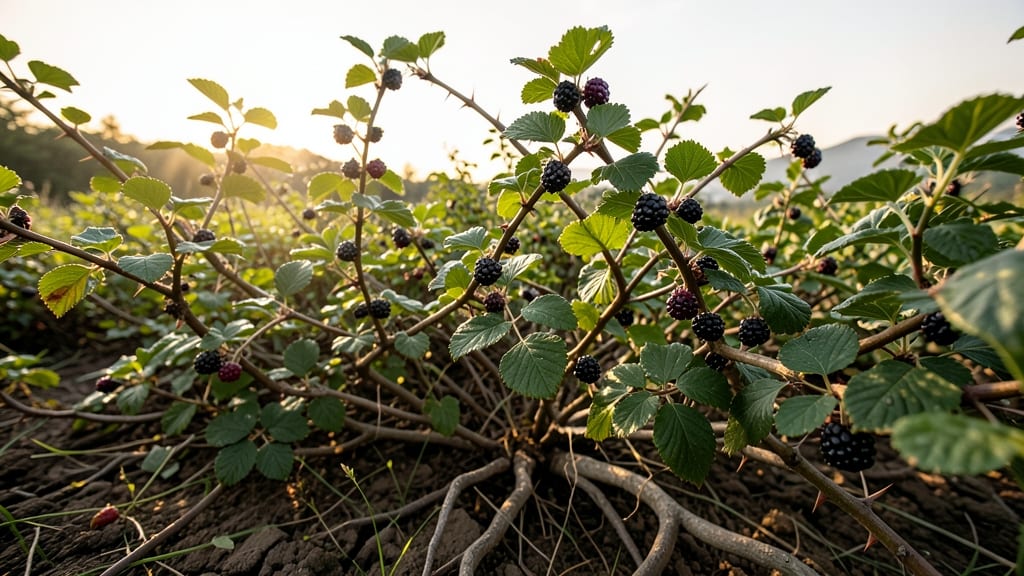
If you live in a humid climate where summer heat lingers and humidity makes other plants wilt, blackberry brambles are your secret weapon. These hardy plants thrive in zones 6-10, turning your garden into a lush, productive haven without needing constant watering or babying.
Blackberries are heat-tolerant and drought-resistant, making them ideal for southern gardens. Plant them in full sun to partial shade with well-draining soil, and they’ll reward you with large, flavorful berries perfect for pies, preserves, or fresh snacking. For best results, choose thornless varieties like 'Natchez' or 'Arapaho' to make harvesting easier. Prune in late winter to encourage new growth and maximize fruit production.
These vigorous brambles are perfect for gardeners in warm climates who want low-maintenance, high-reward plants. With the right care, you’ll enjoy a bountiful harvest year after year. 💪
Cranberry Bog Plants for Wetland Gardens
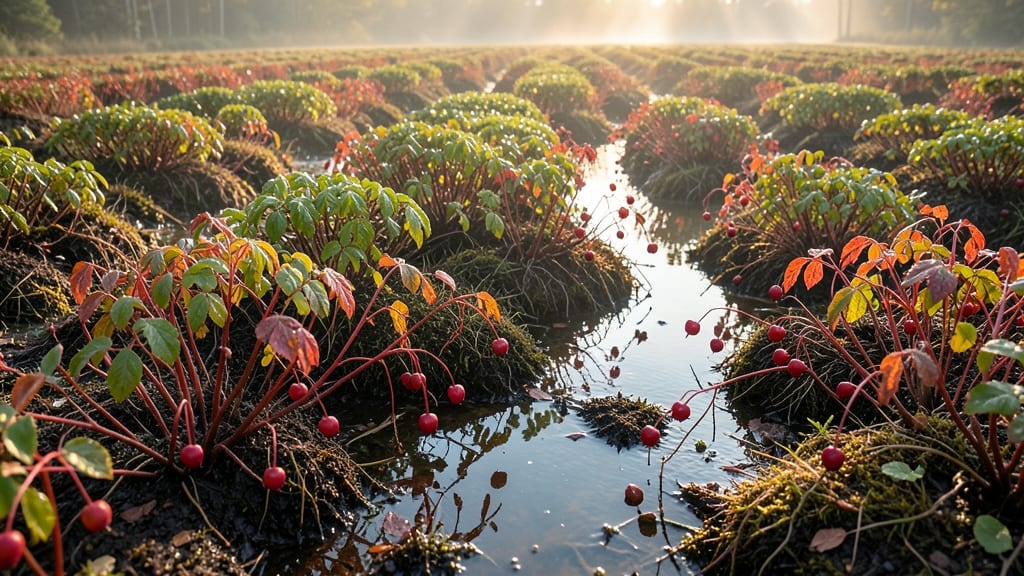
Turn your soggy corners into a berry-producing wetland oasis with cranberry bog plants, the perfect choice for zones 2-5 where other berries struggle. These hardy perennials don't just tolerate wet soil—they thrive in it, creating a dramatic autumn display with fiery red foliage and tart berries perfect for homemade sauces.
To grow them, mimic their natural habitat by keeping the soil consistently moist (never waterlogged) and acidic (pH 4.5-5.5). Plant in shallow water (2-4 inches deep) or heavily irrigated beds, and space plants 18-24 inches apart. The key to success? Spring pruning to remove dead wood and encourage new growth—this ensures both vibrant foliage and a bountiful harvest.
Ideal for gardeners with wetland spaces or those wanting to create a low-maintenance, high-impact feature, cranberry bogs offer both beauty and bounty with minimal effort. 🌟
Elderberry Shrubs with Medicinal Benefits
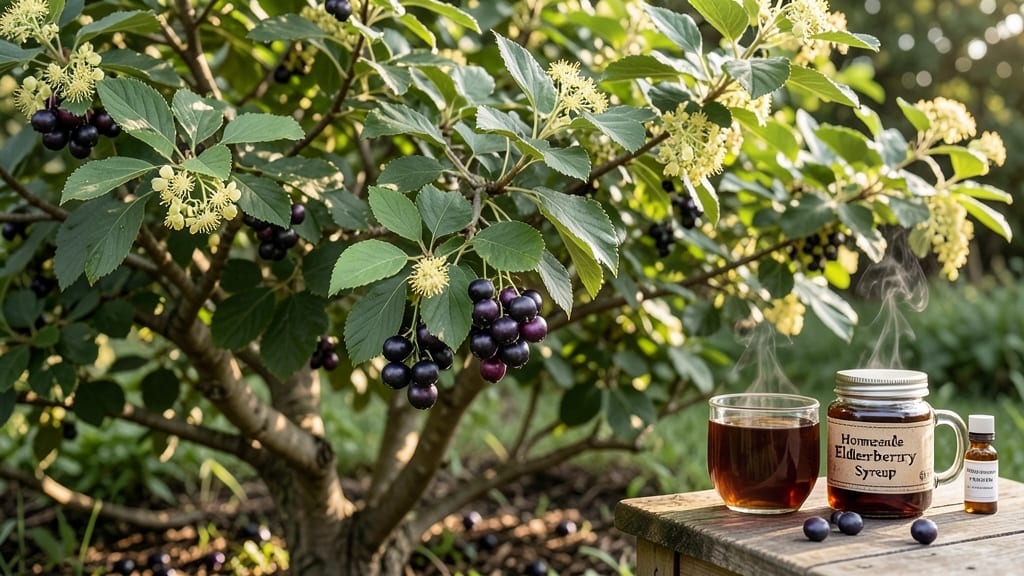
Looking for a berry shrub that does double duty—providing both delicious fruit and natural medicine? Elderberry shrubs are your answer, thriving in zones 3-8 with minimal fuss while offering immune-boosting berries perfect for syrups, teas, and tinctures. Their adaptability to full sun or partial shade makes them ideal for almost any garden spot, from sunny borders to woodland edges.
These hardy shrubs produce fragrant white flowers in early summer, followed by clusters of deep purple-black berries that ripen in late summer to fall. To encourage robust growth, plant in well-draining soil and water consistently during dry spells. Prune in late winter to remove dead wood and open the center for better airflow. The berries are rich in antioxidants and vitamin C, making them a fantastic addition to your herbal first-aid kit.
Perfect for homesteaders, herbalists, or anyone seeking a multifunctional plant, elderberries add beauty, utility, and health benefits to your garden. 🌿
Gooseberry Bushes for Cold Mountain Gardens
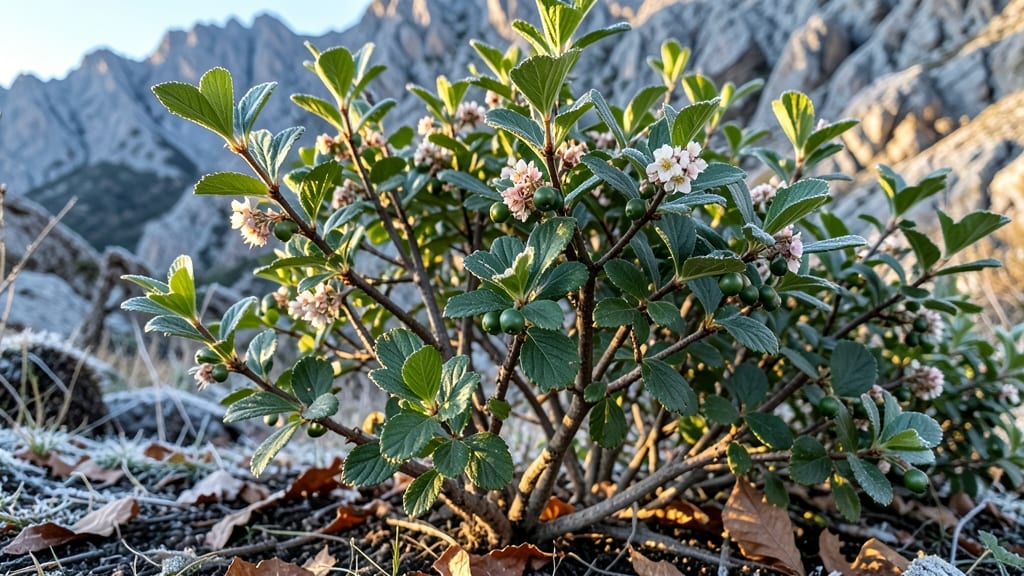
For gardeners in zones 3-8 who crave hardy, low-maintenance berries, gooseberry bushes are the perfect cold-climate solution. These compact shrubs thrive in rocky mountain gardens where temperatures drop below freezing, producing tart-sweet berries ideal for jellies, pies, or fresh snacking. Unlike their delicate cousins, gooseberries handle late frosts and dry spells with ease, making them a reliable choice for high-altitude or northern gardens.
Plant gooseberries in full sun to partial shade with well-draining soil, and they’ll reward you with minimal effort. Prune only to remove dead wood in late winter—no complex shaping required. Varieties like 'Pixwell' or 'Leveller' produce abundant fruit with minimal thorns, while 'Hinnonmäki Red' offers striking red berries. These bushes also double as living fences, providing privacy and structure in small spaces.
Perfect for homesteaders, jam-makers, or anyone in cooler climates, gooseberries deliver year-round interest with spring blooms, summer fruit, and autumn color. Their resilience makes them a must-have for mountain gardens. 🌱
Currant Bushes Resistant to Bird Damage
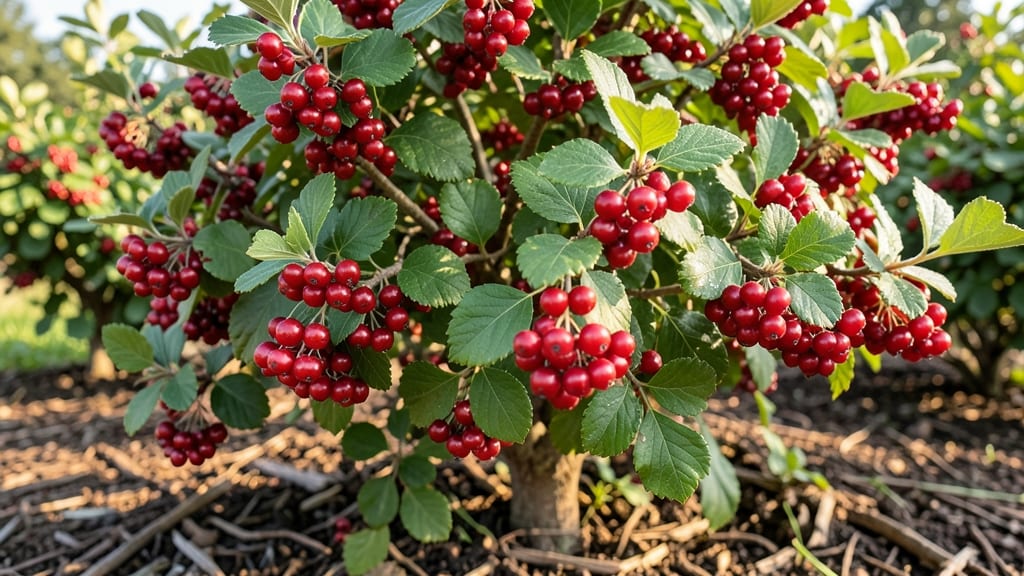
Tired of birds devouring your berries before you even get a taste? Currant bushes like 'Consort' are the unsung heroes of the garden—producing sweet-tart berries in tight clusters that birds find less appealing. Unlike other berries, these compact shrubs thrive in zones 3-7 with minimal pest drama, making them a stress-free addition to any yard.
Plant these bushes in full sun to partial shade with well-draining soil, and they’ll reward you with year-round interest, from fragrant spring blooms to glossy foliage. Prune lightly in late winter to encourage bushier growth, and enjoy berries that ripen in late summer. Their disease resistance means fewer chemicals and more time savoring your harvest.
Perfect for small gardens, urban yards, or as hedges, currants offer both beauty and bounty without the bird-related headaches. 🌿
Huckleberry Vines for Woodland Gardens
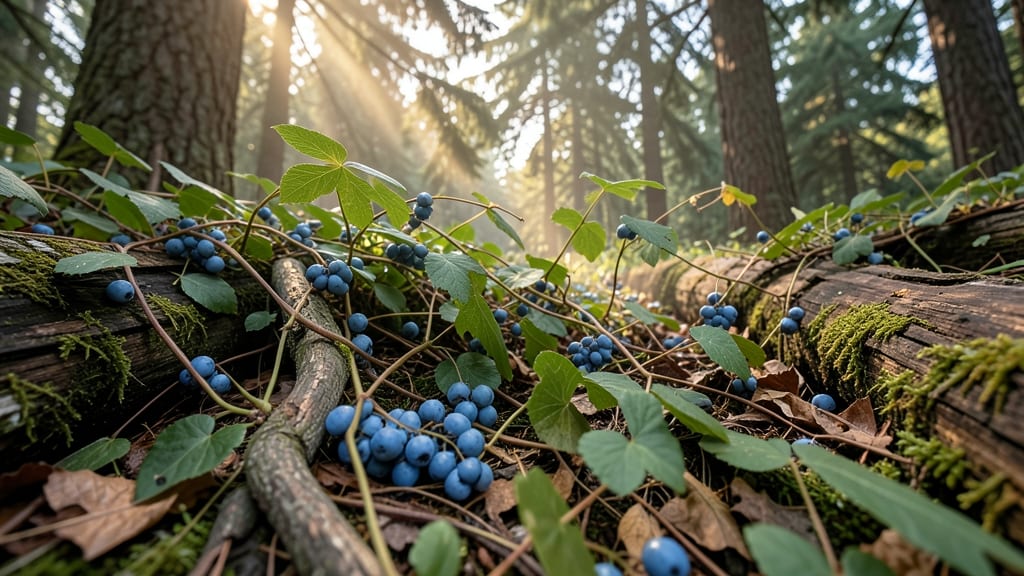
For gardeners who dream of a woodland wonderland but struggle with shady spots, huckleberry vines are your secret weapon. These slow-growing, hardy vines produce vibrant blue berries that thrive in zones 4-8, turning neglected forest edges into edible landscapes without needing full sun.
Perfect for naturalistic gardens, huckleberries climb trees or sprawl along the ground, creating lush green canopies with minimal care. They prefer moist, well-draining soil and partial shade, making them ideal for understory planting. While they take 2-3 years to bear fruit, their drought tolerance and wildlife-friendly nature make them a low-maintenance choice for patient gardeners.
Best suited for those who love wild, untamed beauty or want to restore native ecosystems, these vines offer both ornamental value and a unique harvest. 🌿
Salal Berries for Evergreen Landscaping

Want a year-round green landscape that doubles as a berry harvest? Salal berries (Gaultheria shallon) are the underrated stars of evergreen gardens in zones 6-9, offering lush foliage and edible fruit with almost no effort. Unlike seasonal berries, these dense shrubs stay vibrant through winter, making them perfect for hedges, slopes, or understory planting where other plants struggle.
Salal thrives in shady to partially sunny spots with moist, well-draining soil—ideal for woodland gardens or as a living mulch. The small, tart-sweet berries (great for jams or fresh snacking) appear in late summer, while the leathery, dark green leaves provide texture year-round. Prune lightly in early spring to maintain shape, and watch deer and birds flock to your garden. With minimal care, you’ll enjoy both beauty and bounty.
Perfect for low-maintenance gardeners or those seeking native plants, salal transforms dull corners into lush, wildlife-friendly spaces. 🌿