
Vegetables
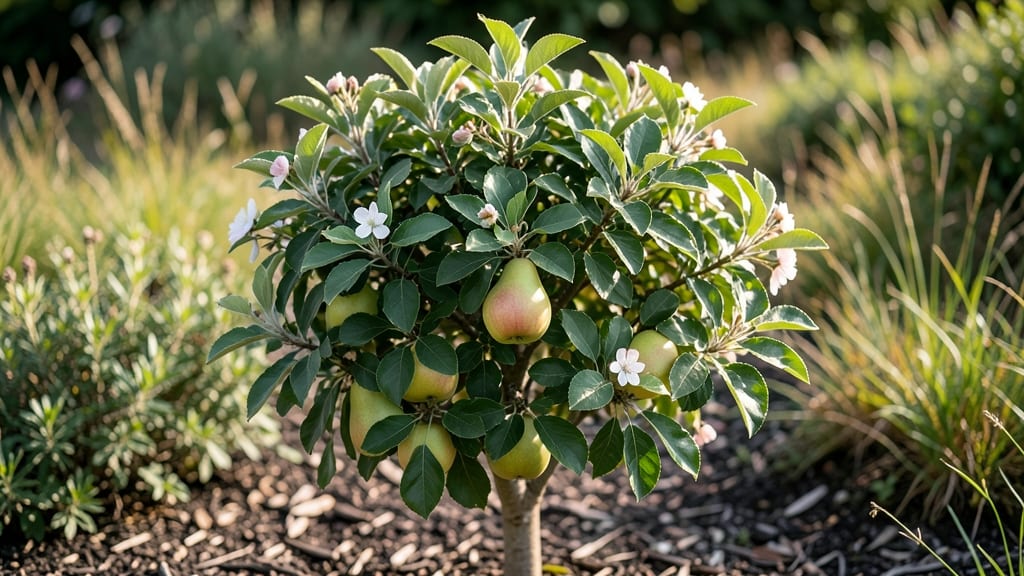
Apple pear hybrid fruit, also called a papple, combines the best traits of apples and pears, featuring a sweet-tart flavor, elongated shape, and crisp texture. Grow from seed or grafted trees, requiring cross-pollination for fruit production and thriving in temperate climates with well-drained soil.
This fascinating crossbreed—often called a papple—emerges from carefully controlled hybridization between apple and pear species, blending their best qualities into one fruit. 🍏🍐 The result is a fruit that ripens later than pears but earlier than apples, offering a longer harvest window for gardeners.
What makes papples particularly exciting is their disease resistance, which often exceeds that of their parent plants, making them a smart choice for organic growers or those in humid climates where fungal diseases are common.
While you can grow papples from seed, the fruits may not retain the desired hybrid traits. For consistent results, grafting is the preferred method, where a papple scion is attached to a compatible rootstock.
This technique ensures the tree will produce true-to-type fruit with the signature sweet-tart balance and crisp bite. The key to success lies in selecting the right rootstock—one that thrives in your local climate and soil conditions.
💡 In This Article
- How Apple Pear Hybrid Trees Develop Unique Traits
- Best Grafting and Growing Practices for Papple Trees
How apple pear hybrid trees develop unique traits
The genetic magic behind papples happens when breeders carefully cross Malus domestica (apples) with Pyrus communis (pears). This intergeneric hybridization creates a fruit that inherits the best qualities from both parents: the crisp, juicy texture of pears combined with apples' sweet-tart flavor profile.
The resulting fruit typically develops an elongated shape—more pear-like—while maintaining the dense cellular structure of apples, which gives it that satisfying crunch when bitten into.
Hybrid vigor plays a crucial role in making papple trees more resilient than their parent species. Studies show these hybrids often exhibit 30-50% greater disease resistance to common fungal pathogens like apple scab and fire blight, thanks to their mixed genetic makeup.
The trees also tend to be hardier in variable climates, able to tolerate wider temperature ranges than pure apple or pear trees. This genetic advantage makes papples particularly appealing for organic growers, as they require fewer chemical interventions to thrive.
The cross-pollination requirement for fruit set is where things get interesting. Unlike apples, which can self-pollinate, papple trees typically need a second variety—either another papple or a compatible apple or pear—to ensure proper fertilization. This is because the hybrid nature of papples often disrupts their internal pollination mechanisms.
Planting two papple trees of different varieties within 50-100 feet of each other maximizes fruit production, as bees and other pollinators move between them more efficiently.
What sets papples apart flavor-wise is their unique sugar-acid balance. While pears tend to be sweeter and apples more tart, papples develop a balanced sweet-tart profile with hints of both.
The fruit typically ripens 2-3 weeks later than pears but 1-2 weeks earlier than apples, creating an extended harvest window. This delayed ripening also means papples can often be stored for 3-4 months in cold storage, longer than most pears but shorter than apples.
The elongated shape of papples isn't just aesthetic—it's a functional adaptation. The fruit's oblong form allows for better sunlight exposure during growth, particularly on the lower branches where spherical apples might shade each other.
This shape also contributes to the fruit's distinctive texture: the skin remains thinner than apples but more durable than pears, while the flesh develops a marbled pattern of crisp and slightly softer areas, similar to a cross between Granny Smith's firmness and Bosc pear's graininess.
One fascinating aspect of papple development is how their growth patterns change with age. Young papple trees produce smaller, less uniform fruits as their systems adjust to the hybrid genetics.
It typically takes 3-5 years after grafting before trees reach full fruiting capacity, with peak production occurring between ages 8-15 years. During this maturation period, careful pruning is essential to guide the tree's energy toward fruit development rather than excessive vegetative growth.