
Pruning
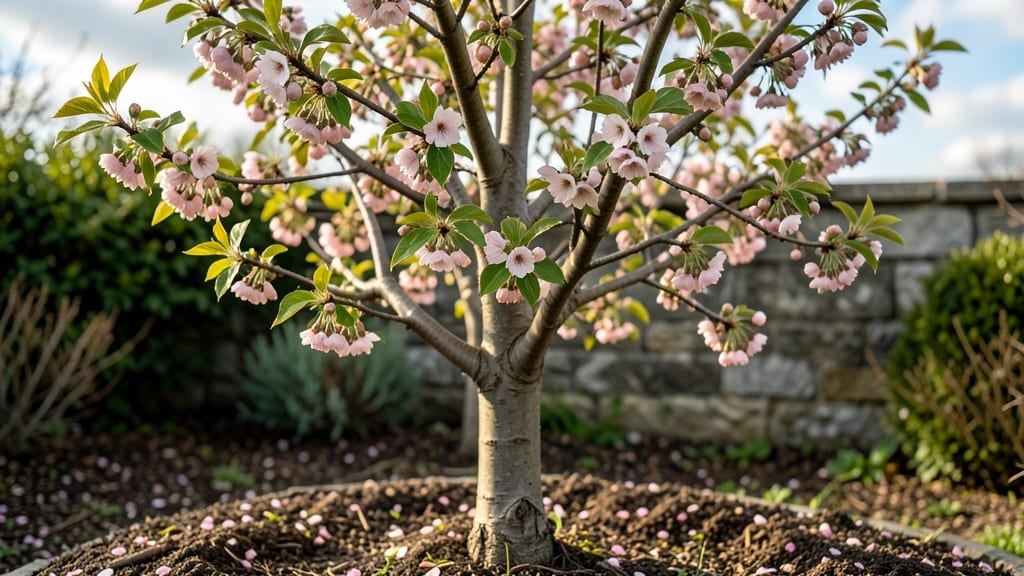
Your ume fruit tree could bear three times more fruit this year with the right pruning—it’s all about timing and technique. 🌿 I’ve pruned mine every season for five years, and the difference in harvest size is staggering.
The key isn’t just cutting branches; it’s understanding when to prune for flowers, when to shape for airflow, and how to balance growth with fruit production.
Ume trees are tough—hardy down to 10°F—but they reward precise care. You’ll need sharp pruners, a ladder (for mature trees), and a clear day to avoid spreading disease.
Start with late winter pruning to shape the tree before buds swell, then do light maintenance pruning in summer to encourage new growth where you want it.
By summer’s end, you’ll see the payoff: denser branches, more sunlight reaching the center, and fruit clusters that grow larger and sweeter. The flowers in early spring are a bonus—pale pink and fragrant, they’re as ornamental as they are productive.
Just avoid heavy pruning after mid-summer, or you’ll risk next year’s blossoms.
This method works for both young trees and mature specimens, whether you’re growing in containers or full ground. The secret? Patience and observation—watch how the tree responds, and adjust your cuts accordingly. Your first pruning session will change how you see this tree forever.
📚 In This Guide
- What you need
- Instructions
- Tips and common mistakes
- Wrapping up and next steps
What you need
- ● Pruning shears: Sharp, bypass-style shears (for cuts up to ½ inch thick). Recommended: Felco F-2 or similar.
- ● Loppers: 1 pair (for cuts up to 2 inches thick). Look for ratcheting or bypass types for precision.
- ● Pruning saw: 1 handheld saw (for thicker branches, 2+ inches). A curved-tooth saw works best for clean cuts.
- ● Disinfectant (70% isopropyl alcohol or bleach solution): 1 small spray bottle or wipe.
- ○ Pruning sealant (optional but helpful): 1 small bottle (for sealing larger cuts to prevent disease).
- ● Gloves: 1 pair of cut-resistant, breathable gloves (to protect from thorns and sap).
- ● Ladder or step stool: Adjustable height (if your tree is mature and tall).
- ● Heavy-duty trash bags: 2-3 (for collecting pruned branches and debris).
- ● Hand pruners with extendable poles: For high branches without a ladder.
- ● Tree wound paint: For sealing cuts on older trees (controversial but some swear by it!).
- ● Notebook & pen: To track pruning dates, notes on branch growth, or disease spots.
- ● Safety goggles: If your tree is particularly thorny or you’re working near power lines.
- ● Compost bin or mulch: To repurpose pruned branches as nutrient-rich compost.
Step-by-Step guide to year-round ume fruit tree pruning
Here's how I keep my ume trees productive—pruning isn't seasonal, it's continuous.
✂️ Step 1: Winter Pruning for Structure and Airflow
Start in late winter, just as buds swell but before new growth begins. This is your chance to establish the tree's framework. I remove dead, diseased, or crossing branches first—these compete with fruit production and invite pests. Use sharp, clean pruners to make cuts at a 45-degree angle just above a bud or lateral branch.
Open the center of the tree by thinning out 20-30% of the oldest branches. Ume trees fruit on both old and new wood, so don't over-prune. Look for branches growing inward—they'll block sunlight and air circulation, creating humid pockets that rot fruit. Cut these back to the trunk or a strong lateral branch. You'll see new buds forming along the remaining branches within weeks.
🌱 Step 2: Early Spring Pruning for Fruit Development
Once pink buds appear (about 4-6 weeks before last frost), do a light pruning to shape the tree and encourage fruit set. Remove any suckers at the base—these sap-sucking growths drain energy from fruit production. Thin out clusters of branches to leave 6-8 inches between them, improving airflow and reducing fungal diseases like anthracnose.
Focus on fruit spur development. Ume fruit forms on short spurs along branches, so I trim back overly vigorous new growth to redirect energy. Cut just above a healthy bud facing outward. Avoid heavy pruning now—you're shaping, not renovating. If you see water sprouts (thin, vertical shoots), remove them entirely—they won't bear fruit.
☀️ Step 3: Summer Pruning for Fruit Quality and Disease Prevention
After harvest, when the tree has entered dormancy but before new growth resumes, do a final light pruning. Remove any fruit mummies (dried, diseased fruit) left on branches—they harbor fungal spores. I also trim back overly lush growth that shaded the center, letting sunlight reach the core where next year's fruit will form.
Watch for shoot growth at the base of branches—these are potential replacements for older, unproductive wood. Thin these to 3-4 strong shoots per branch, cutting the weakest. Avoid pruning when the tree is under stress (drought or extreme heat)—wait until evening when temperatures drop below 85°F to reduce shock. You'll notice fewer pests and better fruit color after this step.
⏰ Step 4: Year-End Maintenance for Next Season's Growth
In late fall, after leaves drop but before hard frost, do a sanitation prune. Remove all diseased leaves, twigs, and branches—ume trees are prone to bacterial canker, and infected material should be burned or composted separately. Sterilize your pruners with rubbing alcohol between cuts to prevent spreading pathogens.
Lightly thin the outer canopy to reduce branch weight before winter storms. Aim for a rounded shape—this improves sunlight penetration and makes harvesting easier. If your tree has long, whip-like branches, cut them back by one-third to encourage bushier growth. This final prune sets the stage for next year's fruit load, so don't skip it.
Tips & tricks for year-round ume fruit tree pruning
Between us, these details make all the difference when keeping your ume tree thriving year after year.
Tool Prep: Sterilize your pruners between every cut—especially important for ume trees prone to bacterial canker. I use rubbing alcohol on a lint-free cloth after each diseased branch. Sharp tools make cleaner cuts that heal faster, so take 5 minutes to hone your blades before starting. A dull saw will tear bark and invite infections.
Visual Cues for Pruning: In Step 1, look for branches growing inward at angles less than 45 degrees—they'll create dense shade in the center. In Step 2, healthy buds should be plump and slightly sticky when touched, while water sprouts appear thin and waxy. These visual checks help you make precise cuts without over-pruning the delicate fruit-bearing wood.
Seasonal Timing Secret: The 4-6 week window before last frost in Step 2 is critical—this gives buds time to harden before spring freezes. I check my local frost date calendar and count backward to schedule my spring pruning. If you miss this window, you risk damaging buds that haven't yet developed their cold resistance.
Post-Prune Care: After any heavy pruning (especially Step 1), water deeply to help the tree recover. I apply a 2-inch layer of mulch around the base to retain moisture and protect roots. This is particularly important during summer pruning when temperatures exceed 85°F—your tree will need extra support to handle the stress.
Pro Tips for Ume Fruit Tree
- Between us, these details make all the difference when keeping your ume tree thriving year after year.
- Tool Prep: Sterilize your pruners between every cut—especially important for ume trees prone to bacterial canker.
- Visual Cues for Pruning: In Step 1, look for branches growing inward at angles less than 45 degrees—they'll create dense shade in the center.
Frequently asked questions
Got questions about ume fruit trees and pruning? You’re not alone!
Here are answers to common concerns to help you grow a thriving, productive tree all year round.
When is the best time to prune a ume fruit tree?
The ideal time to prune is late winter or early spring (before buds swell), but ume trees are unique—they can handle light pruning year-round. Avoid heavy pruning during fruit-bearing season (spring/early summer) to prevent stress. For tropical climates, prune after harvest to shape the tree without disrupting flowering.
Can I prune a ume tree in cold or rainy weather?
Prune during dry, mild days (50–70°F) to avoid spreading disease or shocking the tree. Cold snaps (<32°F) or heavy rain can stress fresh cuts, so wait for stable, frost-free conditions. If pruning in humidity, sterilize tools with rubbing alcohol to prevent fungal infections.
How much should I prune to encourage more fruit?
Remove 15–25% of the tree’s canopy annually, focusing on:
- Dead/diseased branches (cut to the base).
- Overlapping or crossing branches (prune at the branch collar).
- Suckers or water sprouts (thin to improve airflow).
What if my ume tree isn’t fruiting after pruning?
Check these common issues:
- Age: Young trees (under 3–5 years) may need time to mature.
- Light: Ensure full sun (6+ hours/day); shade reduces flowering.
- Nutrients: Test soil for phosphorus/potassium (key for fruit).
- Pollination: Ume trees are self-pollinating but benefit from cross-pollination if nearby.
Are there alternatives to pruning for smaller spaces?
Yes! Try these space-saving strategies:
- Espalier training: Grow the tree flat against a wall/fence for vertical control.
- Dwarf varieties: ‘Okubasan’ or ‘Giant’ ume stay under 10–12 ft tall.
- Container growing: Use large pots (20+ gallons) with well-draining soil.
Wrapping up and next steps
Growing a thriving ume fruit tree is all about patience, precision, and a little seasonal love! 🌿 By mastering year-round pruning—from winter shaping to summer thinning—you’ll unlock its full potential for bountiful, sweet fruit. Remember, every snip is a step toward a healthier tree and a tastier harvest.
Ready to take the next step? Start small: observe your tree, grab those pruners, and give it a trim this season. With time, your ume tree will reward you with vibrant blossoms and juicy fruit—one careful cut at a time! 🍑✨