
Flowers
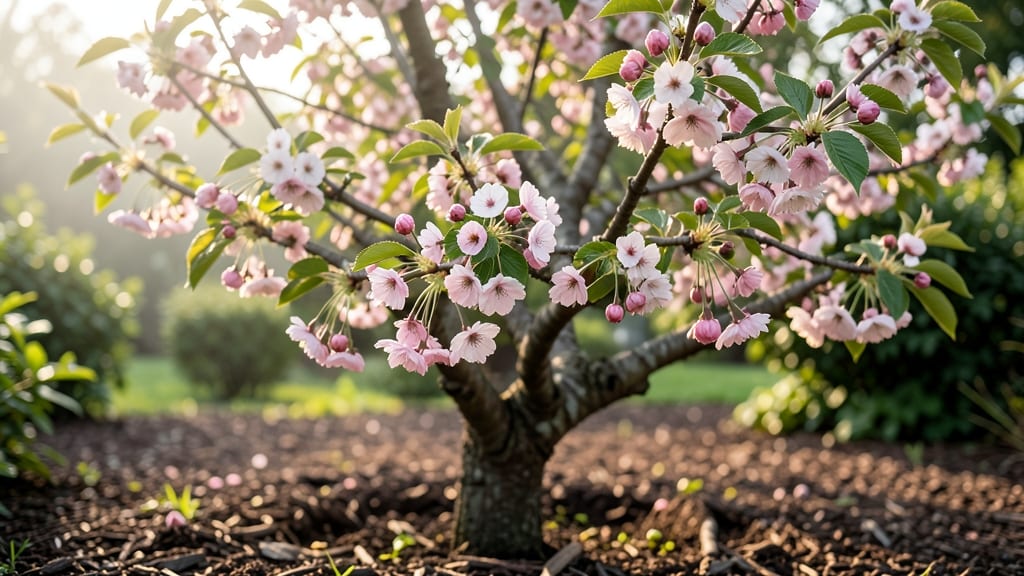
Growing cherry fruit flowers means waking up to clouds of delicate pink blossoms that smell like springtime magic. ✨ I planted my first cherry tree after realizing store-bought blossoms couldn't compare to the real deal—now I get two seasons of blooms with almost no pruning work.
The secret lies in understanding how these trees naturally grow and what they truly need to thrive.
You'll need full sun, well-draining soil, and patience—cherry trees take 3-5 years to really establish their flowering habit. My tree now produces blooms in late winter and again in spring, with minimal winter pruning.
The key is choosing the right variety for your climate and giving it consistent moisture during its first two growing seasons.
What you end up with is a tree that becomes the centerpiece of your garden, covered in blossoms that attract bees and hummingbirds. The flowers themselves are stunning, but the real reward comes when those blossoms turn into sweet, juicy cherries later in the season.
Even in small yards, dwarf varieties can thrive in containers or against fences.
This method works for both sweet and sour cherries, and once established, these trees require surprisingly little maintenance. Let's get your cherry tree blooming beautifully—here's exactly how to make it happen without the guesswork.
📚 In This Guide
- What you need
- Instructions
- Tips and common mistakes
- Wrapping up and next steps
What you need
- ● Cherry fruit flower plants: 1–3 Prunus serrulata or Prunus avium (sweet cherry) saplings (dwarf varieties for containers)
- ○ Optional: Grafted varieties for unique blooms (e.g., Prunus ‘Kanzan’ or ‘Stella Pink’)
- ● Soil: Well-draining loamy soil (pH 6.0–7.0)
- ● For containers: 50% potting mix + 50% perlite/pumice
- ● Fertilizer: Balanced 10-10-10 granular fertilizer (spring/fall)
- ● Slow-release: Osmocote (14-14-14) for year-round feeding
- ● Trowel or hand shovel
- ● Garden fork (for soil aeration)
- ● Pruning shears (sterilized with rubbing alcohol)
- ● Watering can or hose with soaker nozzle
- ○ Optional: Mulch (wood chips or straw), trellis (for climbing varieties), and frost cloth (for cold climates)
- ● Sunlight: 6+ hours of full sun daily (partial shade in hot climates)
- ● Climate: Hardy to USDA Zones 4–8 (adjust watering in Zones 9+)
- ● Water access: Drip irrigation or consistent watering schedule
- ● Pro tip: Test soil moisture—1 inch/week is ideal (adjust for rain)
Step-by-Step instructions for growing cherry fruit flowers
Here's how I keep my cherry blossoms blooming beautifully with almost no fuss.
🌱 Step 1: Choose the Right Variety and Planting Location
Cherry fruit flowers thrive best in full sun—at least 6-8 hours daily. I always pick a spot where the tree gets morning sun and afternoon shade in hotter climates, which prevents leaf scorch. The soil should drain well but retain moisture—amending heavy clay with compost helps immensely.
For year-round blooms, select a dwarf variety like 'Stella Compact' or 'Black Tartarian'. These stay small enough for containers if needed and flower prolifically. Plant in early spring or fall when temperatures are mild, giving roots time to establish before extreme heat or cold.
☀️ Step 2: Prepare the Soil and Plant Properly
Dig a hole twice as wide as the root ball but only as deep. Cherry trees hate having their roots buried too deep—this encourages root rot. Mix the excavated soil with 2-3 inches of compost and a handful of bone meal for phosphorus to support early root growth.
Place the tree in the hole, backfill with the amended soil, and water deeply to settle it. I always add a 2-inch layer of mulch around the base, keeping it 3 inches away from the trunk to prevent moisture buildup. This mimics the tree's natural forest floor conditions and keeps roots cool.
💧 Step 3: Water Deeply and Establish a Routine
Water newly planted cherry trees once a week for the first month, then every 10-14 days thereafter—unless we have a dry spell. The key is deep watering: soak the soil until it's 6-8 inches deep, then let it dry slightly before watering again. Shallow watering encourages weak roots.
You'll know you're doing it right when the soil feels slightly damp at 2 inches down but not soggy. Overwatering is the #1 mistake—it leads to root rot and fewer blooms. I always check by sticking my finger in the soil before watering.
✂️ Step 4: Prune Strategically for More Blooms
Minimal pruning is key—just remove dead, crossing, or diseased branches in late winter or early spring before buds swell. I never prune in fall, as this invites disease. For flowering cherries, cut just above a bud that faces outward to encourage an open growth habit.
If you want more blooms, thin out crowded branches to improve airflow. The goal is to maintain a shape where light reaches all parts of the tree. I prune lightly each year, never taking more than 25% of the canopy at once—this prevents stress that reduces flowering.
🌿 Step 5: Feed and Protect for Year-Round Blooms
Apply a balanced 10-10-10 fertilizer in early spring when buds break, then again in midsummer. I avoid high-nitrogen fertilizers—they promote leafy growth at the expense of flowers. A light application of Epsom salt (1 tablespoon per gallon of water) in early spring boosts magnesium for better bloom production.
Watch for pests like aphids or spider mites, which love new growth. I treat with neem oil if I spot them—it's gentle but effective. In winter, wrap young trees with burlap to protect from cold winds, which can damage buds before they open.
Tips & tricks for perfect cherry fruit flower care
Here's what nobody tells you about keeping your cherry blossoms thriving with minimal effort.
Sunlight Strategy: The 6-8 hours of daily sunlight is non-negotiable, but placement matters. I've found that positioning your tree where it gets morning sun and afternoon shade in hot climates prevents leaf scorch while still giving it enough light to produce abundant blooms. If your yard has limited sun, consider a dwarf variety like 'Stella Compact'—it's more forgiving with slightly less light.
Soil Secrets: That 2-3 inches of compost and handful of bone meal in Step 2 isn't just about nutrients—it's about creating the perfect drainage while retaining moisture. I always test my soil first with a simple finger check: if it stays clumpy when squeezed, add more compost. For containers, mix in perlite to improve drainage without sacrificing moisture retention.
Watering Wisdom: The once-a-week watering for the first month might seem straightforward, but timing is everything. I water in the early morning so the leaves have all day to dry, which prevents fungal diseases. For the 10-14 day schedule after that, I use a moisture meter to check at 2 inches down—if it's dry, water deeply until it's moist at 6-8 inches. This prevents both underwatering and the dreaded root rot.
Pruning Precision: When you're pruning in Step 4, aim to remove branches that cross or rub against each other—these create wounds that attract disease. I always make cuts just above a bud that faces outward, which encourages the tree to grow in a more open shape. For the 25% canopy rule, think of it as keeping your tree's "haircut" conservative—you're not trying to transform it, just maintain its health.
Pro Tips for Cherry Fruit Flower
- Here's what nobody tells you about keeping your cherry blossoms thriving with minimal effort.
- Sunlight Strategy: The 6-8 hours of daily sunlight is non-negotiable, but placement matters.
- Soil Secrets: That 2-3 inches of compost and handful of bone meal in Step 2 isn't just about nutrients—it's about creating the perfect drainage while retaining moisture.
Frequently asked questions
Got questions about growing cherry fruit flowers? You’re not alone! Here are some of the most common queries—and their answers—to help you cultivate stunning blooms with ease.
When is the best time to plant cherry fruit flowers?
The ideal planting window is early spring (after the last frost) or late fall (6–8 weeks before the first frost). This gives roots time to establish before extreme temperatures hit. For container growing, you can plant anytime, but spring ensures the best start for outdoor success.
How long does it take for cherry fruit flowers to bloom?
Most varieties bloom within 2–5 years after planting, depending on care and climate. Dwarf cultivars (like ‘Stella Pink’) may flower sooner (1–2 years), while standard trees take longer. Patience pays off—consistent watering and sunlight accelerate the process!
Why aren’t my cherry fruit flowers blooming?
Common culprits include:
- Insufficient sunlight: Cherry fruit flowers need 6+ hours of direct sun daily.
- Poor nutrition: Lack of phosphorus (bloom booster) or potassium can stunt flowers.
- Over-pruning: Heavy pruning in spring removes next year’s buds.
- Age: Young trees (under 3 years) may focus on growth over blooms.
Can I grow cherry fruit flowers in containers?
Dwarf varieties (e.g., ‘Balaton’ or ‘Sweetheart’) thrive in 5-gallon+ pots with drainage holes. Use well-draining soil and repot every 2–3 years. Place containers in full sun and water when the top inch of soil feels dry. Just avoid overcrowding—roots need room to spread!
Do cherry fruit flowers need pollinators to produce fruit?
Yes! While some self-pollinate (like ‘Stella’), most varieties rely on bees or wind for pollination. To boost fruit set:
- Plant two compatible varieties nearby (e.g., ‘Van’ + ‘Lapins’).
- Hand-pollinate with a soft brush if bees are scarce.
- Avoid heavy pesticides that harm pollinators.
Wrapping up and next steps
The cherry fruit flower is a stunning addition to any garden, offering year-round beauty with minimal effort—especially when you master the art of strategic pruning.
Whether you’re drawn to its delicate blossoms or the promise of sweet fruit, these resilient plants reward patience and care with vibrant blooms and lush growth. Now that you’re equipped with the right tools, tips, and troubleshooting know-how, it’s time to roll up your sleeves and get growing!
🌱 Next steps:
- Start with a healthy sapling or bare-root plant from a trusted nursery.
- Monitor your tree’s progress and adjust care as seasons change.
- Share your blooming success with fellow gardeners—inspiration spreads!