
Pruning
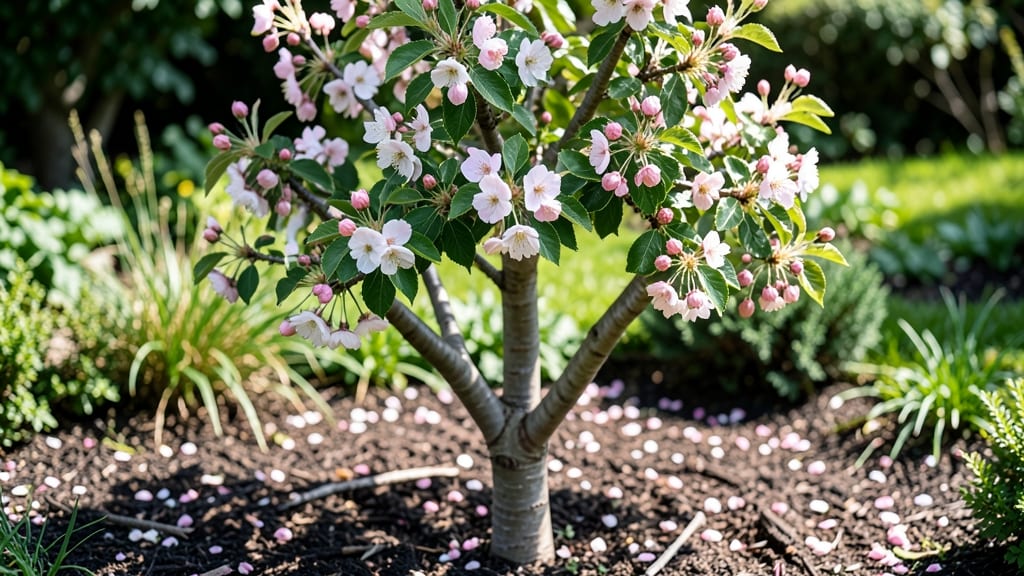
Planting a non-fruit cherry tree means year-round color without the mess of fallen fruit. 🌸 These trees—like the stunning Prunus serrulata—burst with spring blossoms, fiery fall foliage, and graceful winter branches, all while demanding less fuss than their fruiting cousins.
The secret to their beauty? Minimal pruning and the right spot. Unlike fruit-bearing varieties, these cherries don’t need aggressive shaping to produce harvests—just occasional light trimming to maintain their natural form. They thrive in full sun with well-draining soil, and their roots stay shallow, making them perfect for smaller yards.
You’ll end up with a tree that becomes the centerpiece of your landscape, blooming in pink, white, or double flowers and turning shades of gold and crimson by autumn. The best part? Their branches hold onto dried blossoms through winter, adding texture and interest when most gardens go dormant.
Works in zones 5-8 and adapts to urban planting with proper spacing. Here’s how to keep yours looking effortlessly stunning all season.
📚 In This Guide
- What you need
- Instructions
- Tips and common mistakes
- Wrapping up and next steps
What you need
- ● Non-fruit cherry tree (e.g., Prunus serrulata or Prunus x yedoensis): 1 mature tree (3–5 years old) or 1–2 saplings (1–2 ft tall)
- ○ Optional: Dwarf variety (6–8 ft mature height) for smaller spaces
- ● Planting supplies: 5–10 gallons of well-draining potting mix or native soil amended with compost (50% soil, 50% compost)
- ● 1 slow-release fertilizer (10-10-10 NPK ratio, 1 lb per tree)
- ● 1 mulch (3–4 inches of wood chips or pine straw)
- ● Pruning tools: 1 pair bypass pruners (for small branches, <1 inch thick)
- ● 1 pair loppers (for branches 1–2 inches thick)
- ● 1 pruning saw (for thick branches, 2+ inches)
- ○ Optional: 1 pole pruner (for high branches, 6+ ft)
- ● Safety gear: 1 pair gloves (cut-resistant, size medium/large)
- ● 1 safety goggles
- ● 1 tree stake (for young saplings, 4–6 ft tall)
- ● 1 tree tie (soft fabric or rubber, 3–4 ft long)
- ● 1 hose with nozzle (for deep watering)
- ● 1 spray bottle (for cleaning tools with 70% isopropyl alcohol)
- ● Pro tip: A digital thermometer (🌡️) helps monitor soil temp for planting in colder climates!
How to plant and maintain a non-fruit cherry tree for year-round appeal
Here's the simple approach I use to keep these stunning trees looking their best with almost no fuss.
🪴 Step 1: Choose the Right Location and Planting Time
Non-fruit cherry trees thrive in full sun—at least 6 hours daily—and well-draining soil. I always plant in early spring or fall when temperatures are mild (50-70°F) and the tree has time to establish roots before extreme weather. Dig a hole twice as wide as the root ball but only as deep.
Loosen the roots slightly if they're circling the root ball—this encourages outward growth. Place the tree so the top of the root ball sits 1-2 inches above ground level. Backfill with native soil, tamping gently to remove air pockets. Water deeply right after planting to settle the soil and eliminate gaps.
☀️ Step 2: Water Consistently During Establishment
For the first 2 years, water your tree 1-2 times per week—deeply enough that moisture reaches 12-18 inches down. You'll know it's enough when water drains through the soil and the top 6 inches feel damp. Overwatering causes root rot, so always check by sticking your finger into the soil before watering again.
Mulch around the base with 2-3 inches of organic mulch, keeping it 6 inches away from the trunk. This helps retain moisture and regulate soil temperature. I use shredded bark mulch because it breaks down slowly and improves soil structure over time.
✂️ Step 3: Prune Only When Necessary for Shape and Health
Non-fruit cherry trees need minimal pruning—just remove dead, diseased, or crossing branches in late winter or early spring. I use clean, sharp pruners to make cuts just outside the branch collar, the swollen area where the branch meets the trunk. This prevents unsightly stubs and promotes faster healing.
If your tree grows too tall or wide, you can lightly shape it by cutting back no more than 25% of the foliage in one season. Avoid heavy pruning unless absolutely necessary—these trees handle it poorly and may produce weak new growth. Always sterilize your pruners with rubbing alcohol between cuts to prevent spreading disease.
🌿 Step 4: Fertilize Lightly for Vibrant Foliage
In early spring, before new growth appears, apply a balanced 10-10-10 fertilizer around the drip line—about 6 inches from the trunk. Use only half the recommended dose for new trees, and spread it evenly over the root zone. Water the area thoroughly after applying to help nutrients reach the roots.
Skip fertilizer in the first year unless the soil is extremely poor. Over-fertilizing causes rapid, weak growth that's prone to pests and disease. I test my soil every 2-3 years to check nutrient levels and adjust accordingly. If your tree looks healthy with deep green leaves, it doesn't need extra food.
⏰ Step 5: Protect in Winter and Monitor Year-Round
Young trees benefit from a 4-6 inch layer of mulch in winter to insulate roots from freezing temperatures. Wrap the trunk with tree guard or burlap if your winters drop below 10°F to prevent sunscald. I also avoid pruning in late summer or fall, as new growth won't harden off before winter.
Watch for signs of stress like yellowing leaves, wilting, or unusual spots. Most issues stem from overwatering, poor drainage, or pests. If you notice aphids or spider mites, spray with a strong stream of water first—often enough to dislodge them without chemicals. For stubborn infestations, use neem oil as a last resort.
Tips & tricks for perfect non-fruit cherry tree care
Here's what nobody tells you about keeping these trees thriving with minimal effort.
Soil Prep Secret: Before planting, mix a handful of compost into the native soil at the bottom of the hole. This gives your tree's roots a nutrient boost right from the start. I also avoid amending the soil with heavy organic matter—it can compact over time and reduce drainage. The goal is to match your existing soil's texture while adding just enough organic material to encourage root growth.
Watering Wisdom: Those 1-2 times per week during the first two years might seem like a wide range, but it's intentional. Check soil moisture by pushing your finger 2 inches deep—if it feels dry, water. If it's damp, wait. Overwatering is the #1 killer of young trees, so I always err on the side of underwatering. A soaker hose works perfectly for deep, even watering without wetting the leaves.
Pruning Pro Tip: When shaping your tree in Step 3, focus on creating an open center that allows light and air to circulate. I make my cuts at a 45-degree angle, just outside the branch collar, which helps the wound heal faster. Never remove more than 25% of the foliage in one season—this keeps your tree healthy and prevents stress. Also, prune on a dry day when the tree is dormant for best results.
Winter Protection Hack: For trees in areas with winters below 10°F, I wrap the trunk with tree guard but leave a small gap at the bottom to allow for air circulation. This prevents sunscald while still protecting against harsh winds. You can also wrap the tree guard with burlap for extra insulation, but make sure it's not too tight—it should fit snugly but not constrict the trunk.
Pro Tips for Non Fruit Cherry Tree
- Here's what nobody tells you about keeping these trees thriving with minimal effort.
- Soil Prep Secret: Before planting, mix a handful of compost into the native soil at the bottom of the hole.
- Watering Wisdom: Those 1-2 times per week during the first two years might seem like a wide range, but it's intentional.
Frequently asked questions
Got questions about growing and maintaining a non-fruit cherry tree? You're not alone! Here are some of the most common queries—plus straightforward answers to help you keep your tree thriving with ease.
How fast do non-fruit cherry trees grow?
Non-fruit cherry trees (like Prunus serrulata or Prunus subhirtella) typically grow at a moderate pace—about 12 to 24 inches per year. With proper care, they can reach 15 to 30 feet tall over 10–15 years. Dwarf varieties grow even slower, making them ideal for smaller spaces!
When is the best time to plant a non-fruit cherry tree?
The ideal planting window is early spring or fall, when temperatures are mild. Avoid extreme heat or frost, as these can stress young roots. If you must plant in summer, water deeply 2–3 times per week and mulch heavily to retain moisture.
How often should I prune a non-fruit cherry tree?
These trees are low-maintenance—prune once a year, ideally in late winter or early spring (before buds swell). Remove dead, diseased, or crossing branches to encourage airflow. Avoid heavy pruning; focus on shaping rather than drastic cuts. Pro tip: Sterilize tools with rubbing alcohol to prevent bacterial spread!
Can I grow a non-fruit cherry tree in a pot?
Yes! Dwarf varieties (like Prunus 'Kwanzan' Compact) thrive in containers with well-draining soil and a 15–20 gallon pot. Use a balcony or patio tree for urban spaces, but repot every 2–3 years and fertilize monthly in growing season. Just ensure it gets 6+ hours of sunlight daily!
What pests or diseases should I watch for?
Non-fruit cherry trees are relatively pest-resistant, but keep an eye out for:
- Japanese beetles (chew leaves—handpick or use neem oil).
- Powdery mildew (white fungus; improve airflow and spray with baking soda solution).
- Canker disease (brown lesions; prune infected branches and sterilize tools).
Do non-fruit cherry trees need full sun?
They prefer full sun (6+ hours daily) for vibrant blooms, but partial shade (4–6 hours) works in hot climates. In shadier spots, expect fewer flowers and slower growth. If your tree isn’t blooming well, consider relocating it to a sunnier area.
Wrapping up and next steps
Growing a non-fruit cherry tree is a fantastic way to add year-round beauty to your landscape with minimal effort! These trees thrive with just a few pruning sessions, making them perfect for busy gardeners. Their stunning blooms, vibrant foliage, and graceful form bring joy without the hassle of fruit-bearing maintenance.
Now that you’re equipped with the right tools and knowledge, it’s time to roll up your sleeves and give your tree the care it deserves. Start by scheduling your first pruning session—your tree (and your neighbors!) will thank you for it! 🌿✨