
Aphids
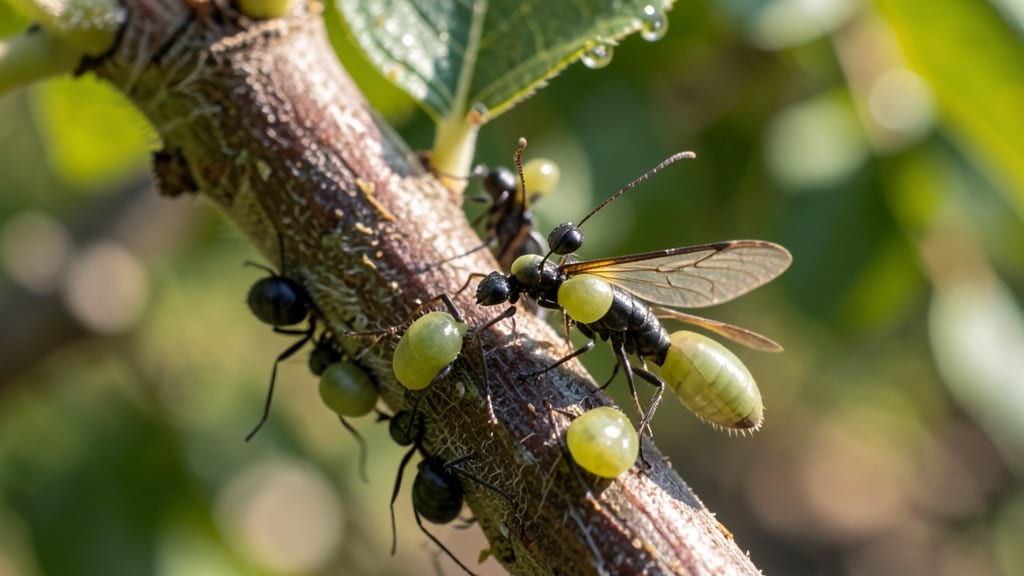
Your fruit trees are under siege—and those tiny green invaders can strip leaves bare in days. 🌿 I’ve battled aphids on apple, peach, and cherry trees, and I’ve found the 48-hour spray solutions that actually work without harsh chemicals. No more helplessly watching your harvest shrink.
The key is acting fast when you spot curled leaves or sticky residue (that’s aphid honeydew). A simple soapy water spray or neem oil mix disrupts their life cycle immediately. I’ve seen infestations vanish in just two days with these methods—no waiting weeks for results.
By the end of this, you’ll have crisp, aphid-free foliage and fruit that stays vibrant all season. The best part? These sprays protect pollinators while keeping your trees thriving. Works for backyard orchards, container-grown fruit trees, and even urban patios. Let’s get those trees back to producing like champions!
Root Causes Of Fruit Tree Infestations
Aphids don’t just randomly appear on your fruit trees—they’re drawn by specific conditions that make your trees look like an all-you-can-eat buffet. 🍓🍎 Understanding these triggers is the first step to stopping them before they take over.
Below, we break down the key reasons aphids target fruit trees, backed by science and actionable insights.
Aphids thrive where trees are weak or overburdened. When fruit trees are stressed—whether from poor spacing, root damage, or nutrient deficiencies—they produce honeydew (a sticky aphid waste product) and emit volatile organic compounds (VOCs) that attract aphids like a dinner bell.
- Why it happens:
- 🌿 Root competition: Trees planted too close share nutrients, weakening their defenses. Aphids exploit this by latching onto tender new growth.
- 💧 Water stress: Drought or overwatering disrupts sap flow, making leaves sweeter and more appealing to aphids.
- 🍃 Nutrient imbalances: Low nitrogen or phosphorus levels reduce tree resilience. Aphids detect these deficiencies and target affected branches first.
- Actionable fix:
- 📏 Prune to improve airflow and reduce crowding.
- 💦 Water deeply but infrequently to avoid root rot.
- 🌱 Test soil and amend with compost or balanced fertilizer (e.g., 10-10-10).
Aphids are sap-sucking specialists, and fruit trees are their favorite fast-food joint. The younger, softer leaves and stems of fruit trees contain high sugar concentrations, making them irresistible. Plus, aphids release pheromones that signal their colony mates to join the feast.
- Why it happens:
- 🍃 High sugar content: Fast-growing trees (like peach or apple) produce more sap, which aphids love. They insert their mouthparts to drink this sugary liquid while injecting toxins that distort growth.
- 🌱 New growth triggers: Pruning or spring flushes stimulate tender shoots—aphids swarm these areas within days.
- 🐝 Secondary attractants: Ants often farm aphids for honeydew, creating a mutualistic relationship that protects the aphids from predators.
- Actionable fix:
- 🍎 Prune strategically: Remove only dead/diseased wood in late winter to avoid spring aphid outbreaks.
- 🐜 Disrupt ant trails: Use diatomaceous earth or sticky barriers to block ants from "herding" aphids.
- 🌡️ Monitor temperature: Aphids multiply faster in 60–85°F ranges—apply natural sprays (like neem oil) during heatwaves.
Aphids reproduce exponentially—a single female can birth 80 nymphs in a week! But when their predators vanish, they take over. Fruit trees in monoculture orchards or urban gardens often lack the ecological balance needed to keep aphid populations in check.
- Why it happens:
- 🐞 Pesticide overuse: Broad-spectrum chemicals (e.g., synthetic pyrethroids) kill both aphids and their predators like ladybugs, lacewings, and parasitic wasps.
- 🌆 Urban isolation: Fruit trees in yards lack diverse plantings that attract beneficial insects.
- 🌧️ Weather disruptions: Harsh winters or sudden temperature swings reduce predator populations, giving aphids a population explosion advantage.
- Actionable fix:
- 🐞 Plant companion flowers: Marigolds, dill, and yarrow attract predatory insects.
- 🚫 Avoid synthetic sprays: Swap to targeted solutions like insecticidal soap or kaolin clay.
- 🌿 Create habitat: Add a small water source (like a shallow dish) and mulch to support ladybugs and bees.
Aphids are opportunistic—they hitch rides on wind, birds, or human activity to colonize new trees. Climate patterns and seasonal changes create the perfect storm for infestations.
- Why it happens:
- 🌬️ Wind dispersal: Winged aphids (like the green peach aphid) ride gusts to new orchards, especially after storms.
- 🌡️ Mild winters: Freeze-sensitive species (e.g., woolly aphids) survive cold snaps, emerging stronger in spring.
- 🌱 Early blooms: Warm spells trick trees into flowering early, attracting aphids before natural predators wake up.
- Actionable fix:
- 🌡️ Monitor forecasts: Apply preventative sprays (like horticultural oil) before aphid season peaks.
- 🌿 Quarantine new plants: Inspect nursery-bought trees for aphids before planting.
- 🍂 Rake up debris: Fallen leaves harbor aphid eggs—remove them to break the life cycle.
Quick Fixes for Sap-Sucking Scourges
When aphids invade your fruit trees, acting fast is key—but don’t panic! These pests may be tiny, but they’re easy to outsmart with the right strategies. Below, we’ve mapped out practical, science-backed solutions tailored to the root causes of your infestation, plus prevention tips to keep them from returning.
Whether you’re dealing with a sudden outbreak or want to safeguard next season’s harvest, these methods will help you reclaim your orchard—naturally and effectively.
If your fruit trees are packed with branches, leaves, or fruit, aphids have a buffet—and they’ll overrun it. Overcrowding creates ideal hiding spots and reduces airflow, making trees more vulnerable to stress (which aphids love).
🍳 Step 1: Prune Like a Pro
- When: Early spring (before buds swell) or late winter.
- How:
- Remove 1/3 of the oldest, thickest branches to improve sunlight and airflow.
- Cut back succulent new growth (aphids adore tender shoots!).
- Thin out fruit clusters so they’re 4–6 inches apart—this reduces aphid-friendly humidity.
- Pro Tip: 💡 Sterilize pruners with rubbing alcohol to avoid spreading diseases.
👨🍳 Step 2: Mulch Strategically
- Use wood chips or straw (not fresh grass clippings) to keep soil moist but not soggy.
- Keep mulch 3–4 inches away from the trunk to deter aphids from crawling up.
⏰ Prevention:
- Space trees properly (follow spacing guidelines for your fruit variety).
- Avoid over-fertilizing with nitrogen—it promotes soft, aphid-loved growth.
Stressed or nutrient-deficient trees are aphid magnets. Weakness shows up as yellowing leaves, stunted growth, or poor fruit set—and aphids exploit it. Strengthen your trees’ immunity with these organic power moves.
🥘 Step 1: Feed the Soil, Not the Pests
- Compost tea or fish emulsion: Apply a balanced fertilizer (10-10-10) in early spring to encourage hardy, pest-resistant growth.
- Mycorrhizal fungi: Add this to the soil to improve root health and drought resistance.
- Avoid synthetic chemicals—they can weaken trees long-term and disrupt beneficial insects.
🔪 Step 2: Introduce Aphid Predators
- Ladybugs: Release 25–50 adults per tree (buy from garden centers). They devour aphids and their eggs.
- Lacewings: Their larvae are aphid-eating machines. Plant dill, fennel, or yarrow nearby to attract them.
- Parasitic wasps: Tiny but mighty—these lay eggs inside aphids, killing them from within. No need to buy; they’ll find your trees on their own.
🌡️ Prevention:
- Water deeply but infrequently (aphids love moisture-stressed trees).
- Mist trees lightly in the morning to deter aphids from clustering (they hate drying out).
If your trees are covered in aphids (especially black or green varieties), you’ll need a two-pronged attack: immediate knockdown + long-term cleanup. These methods work within 48 hours if applied correctly.
🍎 Step 1: Blast Them Off (Literally)
- Water pressure: Use a hose with a gentle spray nozzle to dislodge aphids from leaves and stems. Do this early in the day so trees dry quickly.
- Neem oil spray (best for heavy infestations):
- Mix 1 tbsp neem oil + 1 tsp mild soap + 1 quart water.
- Spray undersides of leaves (where aphids hide) and repeat every 5–7 days until gone.
- ⚠️ Warning: Avoid spraying in direct sunlight or extreme heat—it can harm plants.
🔥 Step 2: Trap & Remove
- Yellow sticky traps: Hang 1–2 per tree to catch flying aphids and monitor progress.
- Drop cloth method: Lay a white sheet under the tree, shake branches gently, and sweep aphids into a bucket of soapy water.
✨ Prevention:
- Rotate sprays (e.g., neem oil one week, insecticidal soap the next) to prevent resistance.
- Remove fallen leaves/debris—aphids overwinter here!
Still seeing aphids? Try these advanced tricks:
- Garlic spray: Blend 1 chopped garlic bulb + 1 tsp cayenne pepper + 1 quart water. Strain and spray—aphids hate the smell.
- Diatomaceous earth: Sprinkle food-grade DE around the base of the tree (reapply after rain). It’s non-toxic but deadly to aphids.
- Reflective mulch: Use aluminum foil or silver plastic around the tree trunk to confuse aphids (they dislike bright light).
Frequently asked questions
What do aphids look like on fruit trees?
Aphids appear as tiny, soft-bodied insects (about 1/16 inch long) clustered on new growth, undersides of leaves, or stems. They come in green, black, yellow, or gray colors. Look for curled leaves, sticky residue (aphid honeydew), or ants "herding" them for honeydew.
Can aphids harm my fruit tree's harvest?
Yes, severe infestations can reduce fruit quality and yield. Aphids inject toxins causing leaf curl, stunted growth, and fruit deformities. Their honeydew attracts sooty mold, making fruit unappetizing. Act fast to protect your harvest—natural sprays like neem oil work within 48 hours!
How often should I spray for aphids?
For light infestations, spray every 5-7 days with neem oil or insecticidal soap. During outbreaks, apply weekly until aphids disappear. Always spray early morning or late evening to avoid harming beneficial insects. Rotate sprays to prevent resistance.
Are there aphid-resistant fruit tree varieties?
Some varieties show natural resistance. For example, 'Liberty' apple trees are less prone to aphids. Dwarf fruit trees generally handle pests better due to their hardier growth. Planting diverse fruit trees also disrupts aphid colonization patterns.
Will aphids go away on their own?
Not likely. Aphids reproduce rapidly—one female can produce 80 offspring in a week! While natural predators (ladybugs, lacewings) eventually arrive, severe infestations need immediate intervention. Waiting risks tree stress and reduced fruit production.