
Pruning
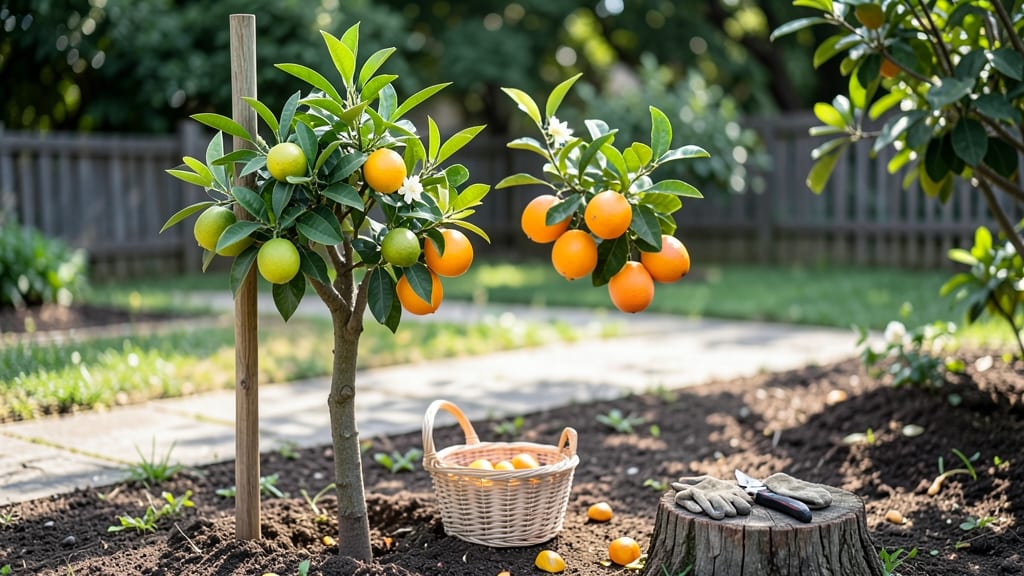
A 5-in-1 fruit tree lets you grow five different fruit varieties on a single trunk—no orchard needed. 🌳 I planted mine last spring, and now I’m harvesting apples, pears, peaches, plums, and cherries from one small space, something I never thought possible in my backyard.
The magic happens through grafting different scions onto a single rootstock, creating a compact tree that produces multiple flavors. You’ll need well-draining soil, full sun, and patience—these trees take 2-3 years to bear fruit, but the payoff is worth it.
Each season brings a new harvest, from early spring plums to late fall apples. By pruning strategically, you’ll keep the tree manageable while maximizing fruit production. The branches stay within reach, making picking and maintenance a breeze.
Plus, the variety keeps things exciting—no more boredom from eating the same fruit all season. Perfect for small yards, urban balconies, or even large containers. Here’s how to get started without the overwhelm.
📚 In This Guide
- What you need
- Instructions
- Tips and common mistakes
- Wrapping up and next steps
What you need
- ● 5-in-1 Fruit Tree Sapling: 1 high-quality, grafted sapling (e.g., Apple, Pear, Peach, Plum, and Cherry combination). Ensure it’s disease-resistant and suited to your climate zone (check local nursery recommendations).
- ● Container or In-Ground Planting: Container Option: 1 large, durable pot (minimum 18-24 inches in diameter and 24+ inches deep) with drainage holes. In-Ground Option: A well-draining spot with 6+ feet of space (or a dwarf variety for smaller yards).
- ● Soil: 5+ gallons of high-quality potting mix (or a blend of 60% topsoil, 30% compost, and 10% perlite/sand for in-ground planting). 1 cup of slow-release fertilizer (10-10-10 or organic option like worm castings).
- ● Pruning Tools: 1 pair of bypass pruners (sharp, clean, and sanitized). 1 pruning saw (for thicker branches). 1 hand saw or loppers (if branches exceed 1 inch in diameter).
- ○ Support Structures (Optional but Helpful): 1 tree stake or bamboo support (for young saplings). 1 tree tie or soft garden twine (to secure the stake).
- ● Climate & Sunlight: Ensure your tree gets 6-8 hours of full sun daily. Most 5-in-1 trees thrive in USDA Zones 5-9. Watering Setup: A drip irrigation system or watering can (at least 2 gallons capacity) for consistent moisture. Pest Control: Neem oil or insecticidal soap (for organic pest management). Seasonal Prep: Mulch (2-3 inches of wood chips or straw) to retain moisture and regulate soil temperature. Winter protection (e.g., burlap wrap) for colder climates.
How to plant and maintain a 5-in-1 fruit tree
Here's the straightforward approach I've used to grow four different fruit varieties on one tree—saving space without sacrificing yield.
🌱 Step 1: Select and Prepare the Rootstock and Scions
Start with a dwarfing rootstock like B.9 or MM.106, which keeps the tree small enough for containers or tight spaces. These rootstocks are graft-compatible with most stone fruits and apples, making them perfect for multi-grafting. Order your scions (the young shoots you'll graft) from a reputable nursery—you'll need four different varieties that ripen at different times for year-round harvests.
Prune your rootstock back to about 12 inches tall before grafting. This gives you a clean canvas to work with and ensures the new scions have room to grow. The rootstock should have at least three strong buds remaining to establish a solid base. I always sterilize my pruning shears with rubbing alcohol between cuts to prevent disease from spreading.
🪴 Step 2: Graft the Scions onto the Rootstock
Use the whip-and-tongue graft method for best results. Make a clean, 45-degree angle cut about 2-3 inches above the rootstock's bud union (the swollen area where the rootstock meets the trunk). Do the same for each scion, ensuring the cambium layers (the green layer just under the bark) align perfectly when you join them. This ensures the scions and rootstock will bond properly.
Secure each graft with rafting tape or plastic grafting clips, wrapping snugly but not too tight—you don’t want to crush the bark. Label each scion with a small flag or paint marker so you’ll know which variety is which. Place the grafted rootstock in a shady, humid environment (like a greenhouse or under a plastic bag) for 4-6 weeks while the grafts heal.
☀️ Step 3: Plant and Provide Optimal Growing Conditions
Once the grafts have taken (you’ll see new growth emerging from the scions), plant your 5-in-1 tree in well-draining soil with a pH of 6.0-7.0. A 15-gallon container works well if you're growing in a small space, but if planting in the ground, dig a hole twice as wide as the root ball to encourage root spread. Mix in compost to give your tree a nutrient boost right from the start.
Place your tree in full sun (at least 6-8 hours of direct sunlight daily). Water deeply once a week during the first year, ensuring the soil stays moist but not waterlogged. You’ll know it’s time to water again when the top 2 inches of soil feel dry. Mulch around the base with 2-3 inches of organic mulch to retain moisture and suppress weeds.
✂️ Step 4: Prune and Train for Maximum Yield
Prune your tree annually in late winter or early spring before new growth begins. Remove any dead, diseased, or crossing branches first, then thin out excess growth to improve airflow. Aim to keep the tree open and airy, which reduces the risk of fungal diseases. For a 5-in-1 tree, you’ll want to encourage four main branches—one for each scion—spreading evenly to balance the tree’s shape.
Fertilize in early spring with a balanced, slow-release fertilizer (10-10-10 ratio) to support new growth. As your tree matures, you’ll notice each scion producing fruit at different times—this is the beauty of the 5-in-1 design! Thin out excess fruit when they’re still small (leave 6-8 inches between fruits) to ensure the remaining fruit grows larger and healthier.
🍎 Step 5: Harvest and Maintain Year-Round
Monitor each scion closely, as they’ll ripen at different times. Stone fruits (like peaches or plums) typically ripen in early summer, while apples or pears may follow in late summer or fall. Harvest when the fruit is fully colored and slightly soft to the touch—this ensures peak flavor. Use clean, sharp pruners to avoid damaging the branches.
After harvest, remove any remaining fruit, leaves, or debris to prevent pests and diseases from overwintering. In late fall, apply a thin layer of mulch around the base to protect the roots from freezing temperatures. With proper care, your 5-in-1 tree will continue producing fruit for years to come, giving you a compact, high-yielding garden feature.
Tips & tricks for perfect multi-grafted fruit trees
Here's what I learned after years of growing space-saving fruit trees without sacrificing harvests.
Rootstock Selection: The dwarfing rootstock like B.9 or MM.106 is your foundation—don't compromise here. These rootstocks handle the weight of four different fruit varieties better than standard rootstocks. I've seen trees with weaker rootstocks struggle after just two years, while my B.9 trees are still thriving in their fifth year with all four scions producing well. The key is choosing a rootstock that matches your climate zone and fruit types.
Grafting Precision: In Step 2, when making those 45-degree angle cuts, take your time to align the cambium layers perfectly. I learned this the hard way—my first attempts with misaligned grafts failed to take. Use a sharp grafting knife and make clean cuts. If you're nervous about the whip-and-tongue method, practice on smaller branches first. The 4-6 week healing period is critical—don't rush it, even if you see tiny sprouts appearing.
Sunlight Strategy: The 6-8 hours of direct sunlight mentioned in Step 3 is non-negotiable for all four scions to thrive. If your space only gets 5 hours of sun, choose fruit varieties that tolerate partial shade like certain apple varieties or tart cherries. I placed my tree near a south-facing wall which extended the sunlight exposure by about 30 minutes each day. Also, rotate your container every few weeks if growing in a pot to ensure even sun exposure all around the tree.
Pruning Insight: When pruning in late winter, focus on creating that open, airy structure mentioned in Step 4. I make it a point to remove any branches that are growing inward—they'll compete with each other for sunlight and nutrients. For my 5-in-1 tree, I aim to maintain four distinct main branches, each with its own "personal space" of about 12-18 inches between them. This prevents overcrowding and makes harvesting easier.
Pro Tips for 5 In 1 Fruit Tree
- Here's what I learned after years of growing space-saving fruit trees without sacrificing harvests.
- Rootstock Selection: The dwarfing rootstock like B.9 or MM.106 is your foundation—don't compromise here.
- Grafting Precision: In Step 2, when making those 45-degree angle cuts, take your time to align the cambium layers perfectly.
Frequently asked questions
Got questions about maximizing your 5-in-1 fruit tree? You’re not alone! Here are answers to the most common queries—from pruning tips to troubleshooting—so you can enjoy year-round harvests with confidence.
How do I prune a 5-in-1 fruit tree for maximum yield?
Prune during late winter or early spring (before buds swell) to shape the tree and encourage fruit production. Focus on removing dead, crossing, or overcrowded branches—aim for an open center. Thin out excess fruit clusters (especially on heavy bearers like apples or pears) to avoid overburdening branches. Pro tip: Use sharp, sterilized pruners to prevent disease!
How long does it take for a 5-in-1 fruit tree to bear fruit?
Patience is key! Most dwarf varieties (common in 5-in-1 trees) produce fruit within 2–4 years of planting, while standard-sized trees may take 3–5 years. Factors like sunlight, soil quality, and pruning practices can speed this up. Bonus: Some trees (like citrus or figs) may yield sooner if grown in warmer climates!
Can I grow a 5-in-1 fruit tree in a pot, or does it need ground planting?
Many 5-in-1 trees thrive in large containers (15+ gallons) if you use well-draining soil and fertilize regularly. Just ensure the pot has drainage holes and is placed in full sun. For ground planting, choose a spot with 6–8 hours of sunlight and amend the soil with compost. Note: Potted trees may need winter protection in cold climates.
What should I do if my 5-in-1 fruit tree has pests or diseases?
Act fast! Common issues include aphids, spider mites, or fungal spots. Start with neem oil or insecticidal soap for pests, and prune affected leaves immediately. For diseases (like powdery mildew), improve airflow, avoid overhead watering, and apply copper fungicide if needed. Prevention tip: Inspect leaves weekly and remove debris around the base!
Are there alternatives to a 5-in-1 fruit tree for small spaces?
Yes! Consider espaliered trees (trained flat against a wall), columnar varieties (like ‘Columnar Apple’), or berry bushes (e.g., blueberries or raspberries). For herbs/fruits, try dwarf citrus, figs, or even a ‘patio peach’. Each offers space-saving benefits—choose based on your climate and taste!
Wrapping up and next steps
Growing a 5-in-1 fruit tree isn’t just about saving space—it’s about unlocking a year-round harvest of fresh, nutrient-packed fruit with minimal effort! 🌱 Whether you’re a backyard gardener or an urban dweller, this innovative approach proves that big rewards come in small packages.
With the right tools, pruning know-how, and a dash of patience, you’ll soon be enjoying apples, pears, cherries, plums, and peaches—all from a single tree!
Ready to take the next step? Start by sketching your tree’s layout, gather your tools, and dive into pruning like a pro. Your future harvest is just a cut away! 🍎✂️