
Pruning
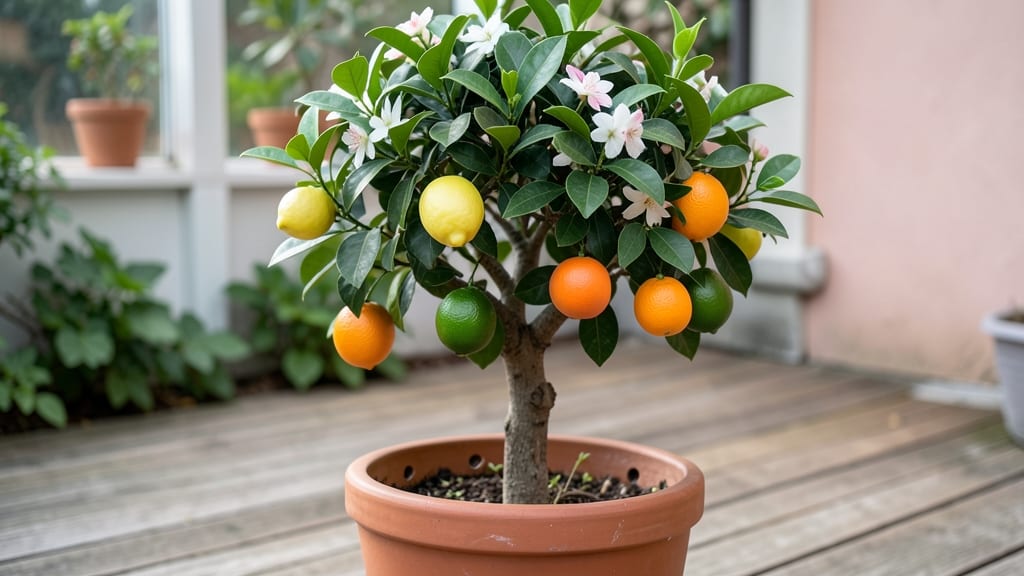
A single tree bearing five different fruits sounds like magic—but it’s real. 🌱 This 5-in-1 fruit cocktail tree packs peaches, plums, nectarines, apricots, and cherries onto one sturdy branch, perfect for small yards, balconies, or even large containers.
I planted mine last spring, and now I’m harvesting enough for jams, fresh eating, and sharing with neighbors. The key? Choosing the right dwarf rootstock and pruning like a pro to balance all those fruit types.
You’ll need well-draining soil, 6+ hours of sunlight daily, and a spot sheltered from strong winds. Most nurseries carry these trees as grafted varieties, so check the labels for disease resistance—my tree thrives in Zone 6, but adjust care for your climate.
Water deeply once a week (more in summer), and mulch to keep roots cool. The first year is all about establishing roots; fruit won’t appear until year two, but patience pays off with bountiful harvests for decades.
Pruning is where the real magic happens. In late winter, cut back 20% of last year’s growth to open the canopy, and thin crowded branches to improve airflow. Summer pruning keeps the tree manageable—just remove suckers and shape it to fit your space.
With the right care, you’ll get multiple harvests per season: cherries in early summer, stone fruits in late summer, and sometimes a bonus fall crop. The tree’s compact size means you can grow it almost anywhere.
Watch for pests like aphids or fruit flies, but most issues stem from overwatering or poor pruning. If birds love your fruit too much, netting helps. For advanced gardeners, try topping the tree in early spring to encourage more lateral branches—this boosts yield without sacrificing size.
Whether you’re a beginner or a seasoned grower, this tree delivers year-round rewards with minimal space. Ready to grow your own fruit cocktail?
📚 In This Guide
- What you need
- Instructions
- Tips and common mistakes
- Wrapping up and next steps
What you need
- ● 5-in-1 fruit cocktail tree saplings: 1–3 (depending on desired size; dwarf varieties work best for small spaces). Look for grafted trees with apple, orange, lemon, peach, and plum varieties.
- ○ High-quality potting soil: 2–3 bags (sterile, well-draining mix with compost for nutrients). Optional: Add a slow-release fertilizer like Osmocote (10-10-10 ratio).
- ● Container or in-ground plot: For containers: 1–2 large pots (15–20 gallons each) with drainage holes.
- ● For in-ground: A sunny spot (6+ hours of light) with loose, fertile soil (pH 6.0–7.0).
- ● Pruning tools: Bypass pruners (sharp, sterilized with rubbing alcohol).
- ● Hand pruners (for smaller branches).
- ● Loppers (for thicker branches, if needed).
- ● Mulch: 2–3 bags (wood chips or straw to retain moisture and suppress weeds).
- ● Drip irrigation system or hose: For consistent watering (especially in containers).
- ● Tree ties or soft garden twine: To support young branches during growth.
- ● Fungicide (copper-based): 1 bottle (prevents diseases like powdery mildew).
- ● Gloves & safety goggles: For protection while pruning.
- ● Basic knowledge of pruning techniques (or willingness to learn!).
- ● Access to a sunny location (south-facing is ideal in the Northern Hemisphere).
- ● Patience! Fruit cocktail trees take 2–4 years to bear fruit.
Step-by-Step instructions for creating a 5-in-1 fruit cocktail tree
Here's how to combine five fruiting plants into one compact, productive tree—perfect for patios or small yards.
🌱 Step 1: Select and Prepare the Base Tree Structure
Start with a dwarf citrus tree (like Meyer lemon) as your base—it's hardy, fast-growing, and provides the perfect scaffold for other plants. Prune the central leader to 12-18 inches tall, leaving 3-4 strong branches that will serve as attachment points. I like to use a clean, sharp pruner for this step to avoid tearing the bark.
Choose 4 companion plants that thrive together: strawberries (for ground cover), blueberries (in hanging baskets), raspberries (trained along the trunk), and passionfruit (a vigorous vine). Each plant brings a different flavor and growing habit, creating a balanced ecosystem. Space your citrus branches 6-8 inches apart—this gives you room to attach the other plants without overcrowding.
🪴 Step 2: Attach Companion Plants to the Tree
For strawberries, plant them in a large, shallow container (like a 12-inch-wide hanging basket) filled with well-draining potting mix. Secure the basket to the lowest branch using soft plant ties or burlap strips—this keeps them close to the ground where they prefer to trail. Water them deeply every 2-3 days until roots establish, then reduce to every 4-5 days once mature.
Hang blueberry baskets from the middle branches—they need acidic soil (pH 4.5-5.5), so mix peat moss into the potting soil. Train raspberry canes vertically along the trunk using twist ties, pruning them back to 4-5 buds in early spring. For passionfruit, wrap the vine around the topmost branch and secure it loosely—it’ll grow aggressively and needs space to climb.
☀️ Step 3: Optimize Light, Water, and Soil for Year-Round Growth
Place your 5-in-1 tree in full sun (6+ hours daily)—citrus and passionfruit are sun-lovers, while strawberries and blueberries tolerate partial shade in hot climates. If you're in a cooler zone, a south-facing spot works best. I use a 5-gallon watering can to water the base deeply 2-3 times per week, ensuring the top 2 inches of soil feel dry before watering again.
Fertilize monthly with a balanced, slow-release fertilizer (like 10-10-10) in spring and summer, then switch to a citrus-specific formula in fall. Mulch the base with 2-3 inches of organic mulch (like straw or wood chips) to retain moisture and regulate soil temperature. This setup keeps roots cool in summer and insulated in winter.
✂️ Step 4: Prune and Harvest for Continuous Production
Prune citrus in late winter to remove dead or crossing branches, and thin fruit to 3-4 per cluster—this ensures larger, sweeter lemons. For strawberries, remove old leaves after harvest to prevent disease, and divide crowded plants every 2-3 years. Blueberries need light pruning in late winter to open the center of the plant for better airflow.
Harvest strawberries as they ripen (they won’t all turn red at once), blueberries when they pop easily off the bush, and raspberries when they’re deep red and plump. Passionfruit is the most patient—wait until the fruit turns yellow and feels soft before picking. I like to harvest in the morning when flavors are at their peak.
🌿 Step 5: Extend the Season with Simple Adjustments
In winter, move the 5-in-1 tree indoors (if possible) to a sunny spot near a south-facing window or under grow lights. If you can’t bring it inside, wrap the trunk and branches in burlap and cover with frost cloth on cold nights. Citrus and passionfruit are the most sensitive—blueberries and strawberries can handle light frosts if protected.
To boost production, hand-pollinate citrus flowers with a soft brush in spring, and fertilize passionfruit with a high-phosphorus formula (like 5-10-10) when vines start growing. Rotate the tree quarter-turn weekly so all sides get even light—this prevents leggy growth and ensures balanced fruiting. With this setup, you’ll get harvests from late spring through fall, and even winter treats from citrus and stored berries.
Tips & tricks for perfect year-round fruit trees in small spaces
Here's what I've learned after creating these multi-functional fruit trees—these tricks make all the difference in maximizing your harvest.
Branch Spacing Matters: When spacing those 6-8 inches between citrus branches in Step 1, think of it like a highway system for your plants. Too close, and your strawberries or blueberries will compete for sunlight. Too far, and you lose the compact design advantage. I use a ruler to mark spacing before attaching baskets—this ensures even light distribution across all plants. The strawberries on the lowest branch will thank you by producing more berries!
Watering Wisdom for Multiple Plants: Your 5-gallon watering can from Step 3 needs strategic use. Focus water at the base where the citrus roots are, but also give those hanging blueberry baskets a targeted spray every other watering. The key is checking that top 2 inches of soil—if it's dry, water again. I set a timer on my phone for those 2-3 weekly waterings to avoid over- or under-watering any particular plant.
Citrus Flower Pollination Hack: That hand-pollination step in Step 5 is easier than you think. Grab a small paintbrush (or even a cotton swab) and gently brush the citrus flowers in the morning when they're open. This mimics bees and dramatically increases fruit set. I do this for about 5 minutes every morning during bloom season—it's worth the effort for those sweet lemons!
Winter Protection Layering: When wrapping your tree in burlap for winter, don't just slap it on. Start with a layer of frost cloth, then add the burlap, and finally wrap with twine to secure. This three-layer system protects against both cold and wind damage. I also remove the blueberry baskets and store them in a cool, dark place if temperatures drop below 20°F—blueberries are tougher than they look but don't need winter exposure.
Pro Tips for 5 In 1 Fruit Cocktail Tree
- Here's what I've learned after creating these multi-functional fruit trees—these tricks make all the difference in maximizing your harvest.
- Branch Spacing Matters: When spacing those 6-8 inches between citrus branches in Step 1, think of it like a highway system for your plants.
- Watering Wisdom for Multiple Plants: Your 5-gallon watering can from Step 3 needs strategic use.
Frequently asked questions
How long does it take for a 5-in-1 fruit cocktail tree to bear fruit?
A 5-in-1 fruit cocktail tree typically starts producing fruit 2–4 years after planting, depending on the variety and growing conditions. Dwarf varieties may fruit slightly faster, while standard trees could take longer. Patience pays off—consistent care (like pruning and sunlight) speeds up the process!
When’s the best time to prune a 5-in-1 fruit cocktail tree?
Prune your tree late winter or early spring (before buds swell) for best results. Light pruning after harvest (summer/fall) can encourage new growth. Avoid heavy pruning in fall—it stresses the tree. Pro tip: Remove dead/diseased branches first, then shape for airflow.
Can I grow a 5-in-1 fruit cocktail tree in a pot or container?
These trees thrive in large containers (15+ gallons) with drainage holes. Use well-draining soil and repot every 2–3 years. Just ensure the pot gets 6+ hours of sunlight daily and water consistently. Container-grown trees may need extra pruning to control size.
What if my tree isn’t fruiting? Troubleshooting tips.
No fruit? Check these fixes:
- Age: Young trees (under 3 years) may not fruit yet.
- Sunlight: Needs 6–8 hours of direct sun daily.
- Pollination: Hand-pollinate with a brush if bees are scarce.
- Nutrients: Use balanced fertilizer (10-10-10) in spring.
- Pruning: Over-pruning can reduce fruiting—keep 20–30% of old wood.
How do I protect my tree from pests or diseases?
Prevent issues with:
- Inspect regularly for aphids, mites, or fungal spots.
- Spray neem oil (organic) for pests.
- Avoid overhead watering to prevent fungal growth.
- Prune for airflow—crowded branches trap moisture.
Wrapping up and next steps
Growing a 5-in-1 fruit cocktail tree is your ticket to a vibrant, year-round harvest—even in small spaces! 🌱 With the right pruning techniques, you’ll enjoy a bounty of flavors while keeping your tree healthy and productive.
Whether you’re a beginner or a seasoned gardener, this approachable method makes it easy to transform your balcony or backyard into a fruity paradise.
Ready to take the next step? Start small—pick one variety to prune first, then expand your skills. Grab your tools, roll up your sleeves, and watch your little tree become a big reward! 🍓🍊