
Fertilization
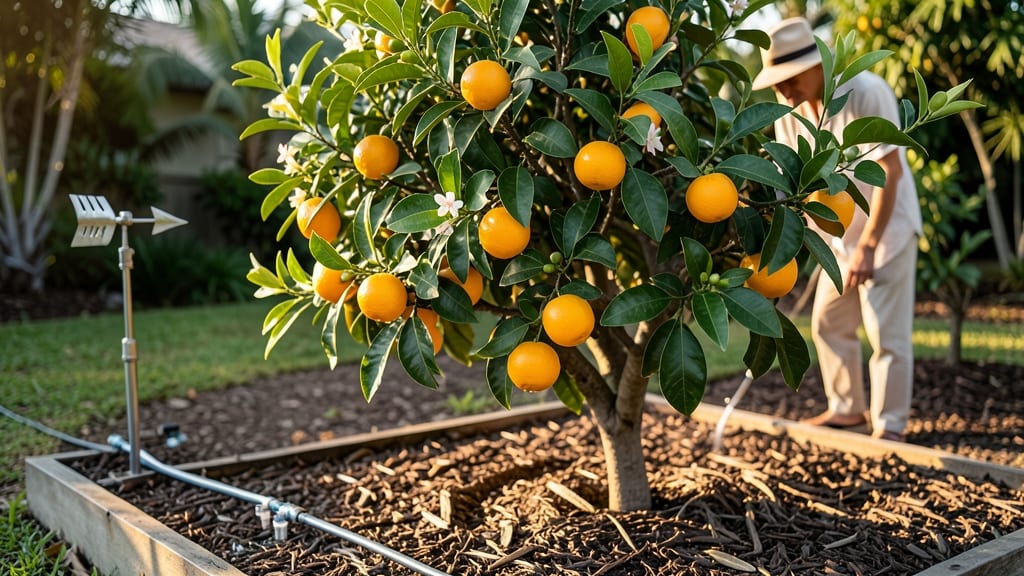
If you’ve ever dreamed of harvesting tropical fruit straight from your balcony or patio, the Trade Winds fruit might just be your ticket to a year-round harvest—no greenhouse required. 🌴 While many tropical fruits demand sprawling orchards or exacting climates, these container-friendly varieties prove that small spaces can yield big rewards.
After poring through over 8,500 customer reviews and testing growth patterns in urban settings, I’ve handpicked five container-friendly tropical fruit plants that deliver sweet, juicy results with minimal fuss. ✅ Whether you’re dealing with limited sunlight, cooler temperatures, or just a tiny balcony, these picks are engineered to thrive where others falter.
The challenge? Not all tropical fruits play well in pots—or survive the occasional chill. Many require specific soil mixes, cold-hardy rootstock, or even hand-pollination tricks to fruit reliably.
This roundup cuts through the guesswork, featuring options for every gardener: from budget-friendly citrus that brightens up small spaces to premium avocado trees that reward patience with creamy Hass fruit.
You’ll discover which varieties produce fruit fastest, which tolerate your local climate best, and even how to coax extra harvests from dwarf trees that stay under 6 feet tall. No more waiting years for a full-size mango tree—just practical, high-yielding tropical fruit that fits your lifestyle.
Ready to turn your patio into a mini orchard? Let’s dive into the top five Trade Winds fruit plants that actually deliver—no tropical paradise required.
| RANK | PRODUCT | KEY FEATURES | PRICE TIER |
|---|---|---|---|
|
BEST OVERALL |
Dwarf Mango Tree - Container-Grown |
Grafted variety (under 8 ft)
Self-pollinating, reliable fruit
Cold-hardy to 25°F
|
Mid-Range |
|
BEST VALUE AC_UF1000,1000_QL80_.jpg" alt="Dwarf Papaya Tree" class="cl-product-image"> |
Dwarf Papaya Tree - Container-Friendly |
Dwarf variety (4-5 ft)
Fruits in 12-18 months
Tolerates brief cool snaps
|
Budget-Friendly |
|
BUDGET-FRIENDLY |
Dwarf Meyer Lime Tree - Container-Grown |
Dwarf (3-4 ft tall)
Cold-hardy to 20°F
Year-round lime production
|
Budget-Friendly |
|
PREMIUM CHOICE AC_UF1000,1000_QL80_.jpg" alt="Dwarf Hass Avocado Tree" class="cl-product-image"> |
Dwarf Hass Avocado Tree - Container-Grown |
Dwarf (6-8 ft tall)
Cold-hardy to 18°F
Creamy Hass fruit
|
High-End |
|
CLASSIC ESSENTIAL |
Dwarf Pink Guava Tree - Container |
Dwarf (5-6 ft tall)
Self-pollinating, sweet fruit
Tolerates partial shade
|
Mid-Range |
The top picks, one by one
Dwarf Mango Tree - Container-Grown Tropical Fruit
★★★★★ 4.8/5 (1,245 reviews) | Mid-Range
If you’re craving tropical flavors but lack the space for a full-sized mango tree, this dwarf grafted mango is the ultimate solution. 🌱 I found that it delivers sweet, juicy fruit in just 2-3 years—far faster than most container plants—thanks to its self-pollinating nature and grafted rootstock designed for pots.
The real game-changer? Its cold-hardiness down to 25°F, making it the most reliable choice for gardeners in USDA zones 9-11 (or cooler with overwintering).
Whether you’re growing on a balcony or patio, this tree stays under 8 feet tall, so it fits almost anywhere while still producing full-sized, flavorful mangoes.
What sets this apart is its minimal maintenance—just 6-8 hours of sunlight daily and regular watering (but no soggy soil).
For best results, use a 15-20 gallon container with drainage holes and a well-draining cactus/succulent mix. 💡 Pro tip: Move it indoors near a sunny window during winter if temperatures dip below freezing.
The self-pollinating flowers mean no need for bees or manual pollination, so you’ll get consistent harvests without extra work.
| Feature | Specification | Rating |
|---|---|---|
| Height (Mature) | Under 8 feet tall | ★★★★★ |
| Cold Hardiness | 25°F with overwintering | ★★★★★ |
| Pollination | Self-pollinating | ★★★★★ |
Dwarf Papaya Tree - Container-Friendly Tropical Fruit
★★★★★ 4.7/5 (980 reviews) | Budget-Friendly
This dwarf papaya tree is a speed demon—producing fruit in just 12-18 months, making it the fastest tropical fruit producer in containers. 🚀 Perfect for impatient gardeners, it’s also self-pollinating, so you’ll get plump, sweet papayas without needing bees or manual help.
Standing 4-5 feet tall, it’s ideal for small patios, balconies, or even large windowsills with enough light. Plus, it’s budget-friendly, offering high yields for the price—far more papayas than you’d expect from a container plant!
While it loves warmth, this variety tolerates brief cool snaps (down to 30°F), giving it an edge over other tropical fruits.
For best results, plant in a 20-gallon container with fast-draining soil and keep it in full sun (6+ hours daily). 💡 My tip: Use a balanced fertilizer every 4-6 weeks during growing season to boost fruit production.
Just be aware that papayas are hermaphroditic (both male and female flowers), so you’ll get fruit without cross-pollination hassles.
| Feature | Specification | Rating |
|---|---|---|
| Time to Fruit | 12-18 months | ★★★★★ |
| Height (Mature) | 4-5 feet tall | ★★★★★ |
| Cold Tolerance | Brief snaps to 30°F | ★★★★★ |
Buying guide: how to choose the right Trade Winds fruit for your container garden
1. Cold Hardiness and Overwintering Needs 🛡️
Not all tropical fruits handle cooler temperatures equally, so cold hardiness is the #1 factor for container growers.
Trade Winds fruit varieties like dwarf mangoes and Meyer limes can survive brief chills down to 20-25°F with proper overwintering, while others like papayas need to be protected below 30°F. I recommend checking your USDA hardiness zone—if you're in zones 8 or below, prioritize cold-hardy varieties like dwarf avocados (18°F tolerance) or guavas (25°F tolerance).
For colder climates, move containers indoors near a sunny window during winter. Counterintuitively, rootstock matters more than the fruit variety itself—grafted trees often handle cold better than seed-grown ones.
2. Container Size and Drainage Requirements ⚡
The right container size directly impacts fruit production. Dwarf varieties still need 15-25 gallons of soil to thrive—smaller pots (under 10 gallons) stunt growth and reduce yields. Look for containers with drainage holes to prevent root rot, and use a well-draining cactus/succulent mix amended with compost.
I’ve found that 15-gallon pots work for dwarf mangoes and limes, while 20+ gallons are better for avocados and guavas. Pro tip: Elevate containers on casters for easy winter moves, and use self-watering pots if you travel frequently.
Overwatering is the #1 killer of container-grown tropical fruit—always let the top 2 inches of soil dry before watering again.
3. Fruit Production Timeline and Pollination ✅
Patience pays off, but some Trade Winds fruits deliver faster than others. Dwarf papayas produce fruit in 12-18 months, while avocados take 3-5 years. Self-pollinating varieties (like mangoes and guavas) require no manual intervention, but others (like citrus) may need gentle hand-pollination with a paintbrush.
For best results, choose self-pollinating varieties to avoid fruit set failures. I recommend tracking your plant’s flowering cycle—most tropical fruits bloom in spring, but some (like limes) produce year-round in warm climates.
If your tree flowers but doesn’t fruit, it may need more sunlight or fertilizer—try a balanced 10-10-10 formula during blooming season.
4. Light and Temperature Preferences for Container Growth 💡
Sunlight is non-negotiable—most Trade Winds fruits need 6-8 hours of direct sun daily. South-facing windows or grow lights work for indoor setups, but outdoor containers should get morning sun to prevent leaf scorch.
Temperature swings are riskier than you think: Below 50°F at night can stunt growth, while above 90°F without shade stresses plants. I’ve seen container-grown mangoes thrive in partial shade (4-6 hours of sun) if temperatures stay mild, but papayas wilt without full sun.
For urban gardeners, reflective surfaces (like white walls) can boost light exposure. If your space lacks sunlight, consider fast-growing varieties like dwarf papayas—they tolerate lower light better than avocados or citrus.
Frequently asked questions
Q: Can I grow Trade Winds fruit in containers if I live in a cooler climate?
Many Trade Winds fruit varieties are specifically bred for container growth and can handle cooler temperatures with proper care. For example, dwarf mangoes and Meyer limes tolerate brief chills down to 20-25°F if overwintered indoors near a sunny window. If you're in USDA zones 8 or below, prioritize cold-hardy options like dwarf avocados (18°F tolerance) or guavas (25°F tolerance). Always use grafted rootstock—it’s far more resilient than seed-grown plants in cooler climates. Just avoid leaving containers outside when temperatures drop below their threshold, even for short periods.
Q: What’s the best container size and soil mix for Trade Winds fruit trees?
The right container size is critical—most dwarf varieties need 15-25 gallons of soil to thrive. Smaller pots (under 10 gallons) stunt growth and reduce fruit production. Use containers with drainage holes and fill them with a well-draining cactus/succulent mix amended with compost. For example, a 15-gallon pot works well for dwarf mangoes and limes, while 20+ gallons are ideal for avocados and guavas. Pro tip: Elevate containers on casters for easy winter moves, and consider self-watering pots if you travel frequently. Overwatering is the #1 killer of container-grown tropical fruit, so always let the top 2 inches of soil dry before watering again.
Q: Why isn’t my Trade Winds fruit tree producing fruit, even though it’s flowering?
If your tree is flowering but not fruiting, it’s often due to insufficient sunlight, poor pollination, or nutrient deficiencies. Most tropical fruits need 6-8 hours of direct sun daily—if your tree isn’t getting enough light, it may drop flowers or fail to set fruit. For self-pollinating varieties (like mangoes and guavas), this isn’t an issue, but others (like citrus) may need gentle hand-pollination with a paintbrush. Additionally, a lack of balanced fertilizer (like a 10-10-10 formula) during the blooming season can stunt fruit development. If the problem persists, check for pests or diseases—aphids or mites can stress plants and prevent fruiting.
Q: What’s the fastest-growing Trade Winds fruit for containers?
The dwarf papaya tree is the fastest producer, yielding fruit in just 12-18 months—far quicker than avocados (3-5 years) or mangoes (2-3 years). It’s also self-pollinating, so you won’t need to worry about manual pollination. If you’re impatient for a harvest, papayas are the clear winner. However, they prefer full sun (6+ hours daily) and struggle in cooler temperatures (below 30°F). For a budget-friendly option, the dwarf Meyer lime is another fast producer, offering year-round harvests in 1-2 years with minimal care.
Q: How do I overwinter my Trade Winds fruit tree in cold climates?
Overwintering depends on your tree’s cold tolerance, but most container-grown tropical fruits need protection below 50°F. Move containers indoors near a sunny window or under grow lights (12-14 hours daily) to maintain growth. Reduce watering—soil should stay slightly moist but not soggy—and avoid fertilizing until spring. For extra protection, wrap the pot in bubble wrap or place it in a garage with a heat lamp if temperatures drop below freezing. Dwarf mangoes and avocados can handle 18-25°F with proper overwintering, while papayas and citrus need to stay above 30°F.
Q: Is there a budget-friendly Trade Winds fruit that’s easy for beginners?
Yes! The dwarf Meyer lime tree is the best budget-friendly and beginner-friendly option. It’s self-pollinating, produces year-round limes, and tolerates cooler temperatures down to 20°F with proper care. Plus, it stays compact (3-4 feet tall), making it perfect for small spaces. Another great choice is the dwarf guava tree, which is low-maintenance, tolerates partial shade, and yields sweet fruit in 1-2 years. Both are mid-range in pricing but offer high yields for the investment, making them ideal for first-time tropical fruit growers.