
Trees
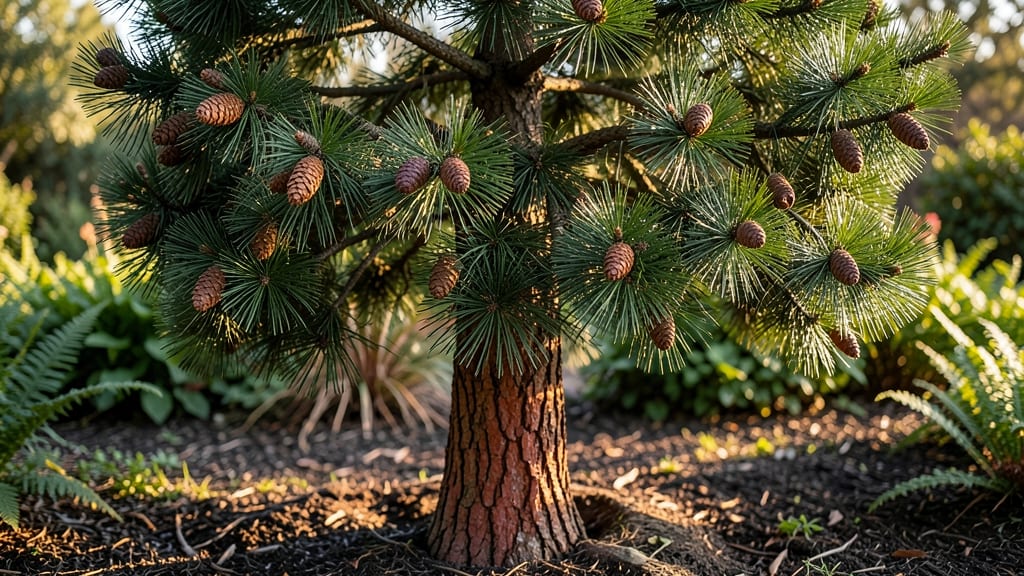
Growing Wollemi pine fruit from seed lets you nurture a 200-million-year-old survivor right on your windowsill. 🌱 The key is patience—these ancient seeds need perfect moisture and warmth to break dormancy, but once they sprout, you'll have a living piece of prehistoric history in your hands.
Start with sterile seed-starting mix in a shallow tray, keeping it consistently damp (not soggy) under a plastic dome or clear lid. Wollemi seeds need 60-70°F temperatures and 12-16 weeks to germinate—longer than most conifers.
The first true needles appear in 3-4 months, signaling it's time to transplant into individual pots with well-draining soil.
Once established, your Wollemi pine will grow 6-12 inches per year, developing that signature fern-like foliage. Keep it in bright, indirect light (no harsh afternoon sun) and water when the top inch of soil dries.
These trees thrive in humidity—misting helps prevent the browning tips that signal dry air.
Troubleshooting is simple: yellowing needles mean overwatering, while stunted growth usually signals insufficient light. Wollemi pines rarely face pests, but watch for spider mites in dry conditions. With proper care, your seedling could reach 10 feet tall in a decade—making it a conversation starter and a living fossil.
📚 In This Guide
- What you need
- Instructions
- Tips and common mistakes
- Wrapping up and next steps
What you need
- ● Wollemi pine seeds: 3–5 viable seeds (ensure they’re fresh or properly stored—ask a specialty nursery for Wollemia nobilis seeds).
- ● Seed-starting mix: 2–3 quarts of sterile, well-draining potting soil (look for a blend labeled for conifers or seedlings).
- ● Seed trays or small pots: 4–6 biodegradable or plastic pots (3–4 inches deep) with drainage holes.
- ● Plastic wrap or humidity dome: To maintain moisture during germination.
- ● Spray bottle: For gentle watering (avoid soaking the soil).
- ● Grow lights or sunny windowsill: A full-spectrum LED grow light (12–16 hours/day) or a south-facing window (bright, indirect light).
- ○ Heat mat (optional but helpful): A seedling heat mat (70–80°F) to speed up germination.
- ● Fine-tip tweezers: For carefully placing seeds.
- ● Misting nozzle: To avoid disturbing seeds during watering.
- ● pH testing kit: Ensure soil pH is 5.0–6.0 (Wollemi pines prefer slightly acidic soil).
- ● Fertilizer (low-nitrogen): A balanced liquid fertilizer (e.g., 5-5-5 NPK) for seedlings after 4–6 weeks.
- ● Humidity tray: A shallow tray with pebbles and water to boost moisture levels.
- ● Pruning shears: For future trimming (once seedlings are established).
- ● Patience: Germination can take 3–12 months—don’t rush it!
- ● Consistent care: Wollemi pines thrive in stable conditions (avoid drafts or temperature swings).
- ● Outdoor space (eventually): A sheltered, partially shaded spot in your yard for transplanting (after 1–2 years).
Step-by-step guide to growing Wollemi pine seedlings from fruit
Reviving these ancient seeds takes patience and precision—but the results are worth every careful step.
🌱 Step 1: Extract and Prepare the Seeds
Wollemi pine fruit contains hard, resin-coated seeds that need careful handling. Cut open the fruit with sterilized pruning shears and remove the seeds, which resemble small, glossy cones. Soak them in lukewarm water for 24 hours to soften the outer coating—this mimics natural forest conditions and speeds germination.
After soaking, gently rub the seeds between your fingers to remove any remaining resin. You’ll notice they feel smoother and lighter. Place them in a sterile seedling tray with well-draining potting mix (avoid garden soil—it’s too dense). Press each seed ½ inch deep into the mix, spacing them 1 inch apart to prevent overcrowding.
💧 Step 2: Provide Ideal Germination Conditions
Wollemi pine seeds thrive in consistent warmth—maintain soil temperatures between 70-75°F using a seedling heat mat if needed. Cover the tray with a clear plastic dome or plastic wrap to retain humidity, but prop it open slightly to allow airflow. Mist the soil lightly every 2-3 days—never let it dry out, but avoid soggy conditions.
Place the tray in bright, indirect light (no direct sun yet). Germination can take 4-8 weeks, so patience is key. Watch for the first tiny green shoots breaking through the soil—this is your signal to adjust care. If condensation forms on the dome, lift it for 10 minutes daily to prevent fungal growth.
☀️ Step 3: Transition to Light and Air Circulation
Once seedlings reach 1-2 inches tall, remove the dome completely and introduce them to morning sunlight for 2-3 hours daily, gradually increasing exposure. Wollemi pines need bright, filtered light—direct afternoon sun will scorch delicate leaves. Rotate the tray quarter-turn weekly to ensure even growth.
Water from the bottom by placing the tray in ½ inch of water for 10 minutes, then drain excess. Overhead watering can cause fungal issues. You’ll know moisture is right when the top ¼ inch of soil feels dry to the touch. Fertilize lightly with a balanced, diluted liquid fertilizer (½ strength) every 4 weeks to support slow growth.
🪴 Step 4: Pot Up and Harden Off Seedlings
When seedlings develop 3-4 true needles (not the initial seed leaves), transplant them into 4-inch pots with well-aerated potting mix. Gently loosen roots before placing them in new pots—Wollemi pines have sensitive root systems. Water thoroughly after transplanting to settle the soil.
Begin hardening off by moving pots outside for 1 hour daily in partial shade, increasing time over 2 weeks. Avoid full sun or wind until seedlings show new growth. Wollemi pines grow slowly—expect 6-12 inches of height gain in their first year. Keep soil consistently moist but never waterlogged.
Tips & tricks for growing Wollemi pine seedlings
Reviving these prehistoric seeds requires attention to detail—here's how to avoid common pitfalls and maximize success.
Seed Preparation: Don't rush the 24-hour soak—this critical step breaks down the tough resin coating that naturally protects seeds in the wild. I've found that using lukewarm (not hot) water prevents seed damage while effectively softening the outer layer. After soaking, rub seeds gently between your fingers until you feel the resin give way completely. This step prevents germination issues later.
Temperature Matters: The 70-75°F soil temperature range is non-negotiable for Wollemi pine seeds. Use an inexpensive soil thermometer to monitor temperatures—especially if your home tends to be cooler. If your environment consistently runs below 70°F, consider using a seedling heat mat beneath the tray. Remember, these ancient seeds evolved in Australia's warm, stable climate.
Light Transition Strategy: When moving seedlings to morning sunlight in Step 3, start with just 2-3 hours daily and gradually increase exposure. I've seen seedlings get sunburnt when moved too quickly to direct light. Watch for pale or yellowing needles—they're the first signs of too much sun. Wollemi pines prefer bright but filtered light conditions that mimic their natural forest understory environment.
Harden Off Gradually: The 2-week hardening off period is crucial for transplant shock prevention. Begin with just 1 hour of outdoor exposure in partial shade, then increase by 30 minutes every 2-3 days. I've had better success when seedlings show new growth before increasing exposure time. This slow transition helps develop the protective cuticles Wollemi pines need to survive in outdoor conditions.
Pro Tips for Wollemi Pine Fruit
- Reviving these prehistoric seeds requires attention to detail—here's how to avoid common pitfalls and maximize success.
- Seed Preparation: Don't rush the 24-hour soak—this critical step breaks down the tough resin coating that naturally protects seeds in the wild.
- Temperature Matters: The 70-75°F soil temperature range is non-negotiable for Wollemi pine seeds.
Frequently asked questions
Got questions about growing Wollemi pine fruit from ancient seedlings? Here are some of the most common ones—and their answers—to help you navigate this prehistoric gardening adventure!
Can I grow Wollemi pine fruit from store-bought seeds, or do I need to source them from a specialist?
The Wollemi pine’s seeds are rare and typically require sourcing from certified nurseries or conservation programs. While some online sellers offer them, ensure they’re from reputable suppliers (like Australian native plant specialists) to avoid scams or low-quality seeds. Pro tip: Check for Australian Native Plants Society recommendations!
How long does it take for Wollemi pine seeds to germinate, and what’s the fastest way to speed it up?
Germination can take 3–12 months, depending on conditions. To speed it up:
- Stratify seeds (mix with damp sand, refrigerate for 4–6 weeks).
- Use a heating mat (70–80°F) to maintain warmth.
- Keep soil consistently moist (not soggy) in a humid environment.
What’s the best soil mix for Wollemi pine seedlings, and can I use regular potting soil?
Wollemi pines thrive in well-draining, slightly acidic soil (pH 5.5–6.5). Avoid regular potting soil—it’s too dense. Instead, mix:
- 50% peat moss or coconut coir (for moisture retention).
- 30% perlite or coarse sand (for drainage).
- 20% pine bark fines (mimics their natural habitat).
My Wollemi pine seedling’s leaves are turning yellow—what’s wrong, and how do I fix it?
Yellowing leaves usually signal overwatering, poor drainage, or nutrient deficiency. Try this troubleshooting checklist:
- Check soil moisture: Let the top inch dry out between waterings.
- Ensure proper drainage: Use a pot with holes and a mix with perlite.
- Fertilize lightly: Use a balanced liquid fertilizer (diluted to half-strength) every 2 months.
- Adjust light: Too much sun can scorch; too little causes weakness.
Can I grow Wollemi pine fruit outdoors in my climate, or is it only for greenhouses?
Wollemi pines are hardy to USDA zones 7–9 (or similar temperate climates). In colder areas, grow them in containers and move them indoors during winter. For warmer climates, they thrive outdoors but need partial shade to prevent leaf scorch. Key tip: Mimic their native Australian rainforest understory with dappled sunlight!
Wrapping up and next steps
The Wollemi pine fruit isn’t just a relic of the past—it’s a thrilling opportunity to nurture a living piece of ancient history in your own garden! 🌱 By following these steps, you’ve unlocked the secrets to cultivating this rare seedling in just three months, proving that patience and care can revive even the rarest treasures.
Now, take that first step: plant your seeds today and watch as your backyard becomes a sanctuary for this extraordinary species.
Ready to dive deeper? Explore local conservation efforts or connect with plant enthusiasts to share your progress—because growing a Wollemi pine isn’t just about the fruit; it’s about preserving a legacy for future generations. 🌿✨