
Companion Plants
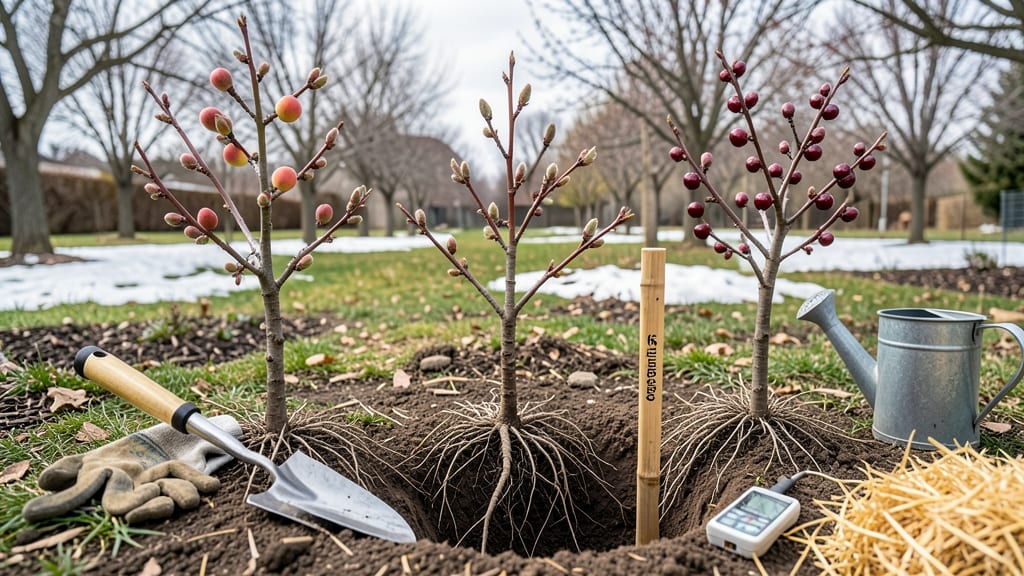
Planting fruit trees in Pennsylvania at the right time ensures strong roots and a bountiful harvest 🍎—and missing that window can mean years of struggling with weak growth.
If you’ve ever watched a newly planted tree wilt under late frost or fail to thrive in soggy spring soil, you know how critical timing is.
The best window for Pennsylvania’s USDA Zones 5b-7a is late winter to early spring, but fall planting also works if you act before the first frost.
Why does this matter? Because fruit trees need 6-8 weeks of warm soil to establish roots before summer heat arrives. In Zone 6a, that means planting by April 15; in Zone 7a, you’ve got until May 1—but only if the ground isn’t still frozen.
Below, I break down the exact months for your zone, how to prep soil for Pennsylvania’s clay-heavy ground, and whether container-grown trees need a different schedule. No guesswork—just proven timing for your orchard’s success.
Best planting months for fruit trees in PA by Hardiness Zones
Pennsylvania’s USDA Hardiness Zones 5-7 offer two prime windows for planting fruit trees: late winter/early spring and fall. Timing matters because cold soil or late frosts can stunt root growth, while planting too late in fall risks winter stress.
Let’s break down the optimal months for each zone and why they work best.
For Zone 5b (northern PA), aim for April 15–May 15 or October 1–November 15. Zones 6a-6b (central PA) expand the window to March 30–May 15 or September 15–November 15. Meanwhile, Zone 7a (southern PA) can plant as early as March 1–April 15 or September 1–November 15.
Soil temperature is critical—roots need 40–50°F to establish. In PA, this typically aligns with 6 weeks before last frost (spring) or 4–6 weeks before first frost (fall). Microclimates near bodies of water or urban areas may shift these dates by 1–2 weeks.
Bare-root trees thrive in dormant planting (fall or early spring), while container-grown trees can handle warmer soil and extend the window by 2–4 weeks. Always check local frost-free dates—Penn State Extension’s frost maps are a great resource.
| Zone | Ideal Planting Window | Soil Temp Threshold | Microclimate Notes |
|---|---|---|---|
| 5b | April 15–May 15 or October 1–November 15 | 40–50°F | Urban areas: +1 week; rural: -1 week |
| 6a-6b | March 30–May 15 or September 15–November 15 | 45–55°F | Lakeside: +2 weeks; valleys: -1 week |
| 7a | March 1–April 15 or September 1–November 15 | 50–60°F | Urban heat islands: +1 week |
Adjust for container-grown trees: extend window by 2–4 weeks
Fall planting (October–November) is ideal because cool soil reduces transplant shock, and trees establish roots before winter dormancy. In PA, apple and pear trees benefit most from fall planting, while peaches and cherries prefer spring to avoid winter dieback.
Spring planting (March–May) works best for bare-root trees or if you missed fall. Avoid planting too early—frost-heaving (soil freezing/thawing) can damage roots. Container-grown trees can handle warmer spring soil, giving you flexibility.
Regional microclimates play a huge role. Southern PA (Zone 7a) can plant 2–3 weeks earlier than northern zones. Areas near Lake Erie or the Delaware River may have longer frost-free seasons, while inland valleys can be 1–2 weeks colder.
Pro tip: Use a soil thermometer to confirm temps before planting. Aim for consistent 50°F+ for 3+ days. If soil is still cold, wait—root growth halts below 40°F. Mulch heavily (4–6 inches) after planting to insulate roots in both spring and fall.
Remember, dwarf varieties (like Honeycrisp apples) establish faster than standard trees, so they’re more forgiving with timing. For stone fruits (peaches, plums), prioritize spring planting to avoid silver leaf disease risk from fall moisture.
Signs your PA soil is ready for fruit tree planting (and how to fix it)
Pennsylvania’s clay-heavy soil and unpredictable spring frosts can turn your fruit tree dreams into a nightmare if you plant too early. The key to success? Waiting until the soil reaches 45°F or warmer—when roots can grow actively without freezing.
In Zone 6a, this usually means mid-April, while Zone 7a gardeners can plant as late as early May.
But how do you know for sure? Look for these three critical signs: the ground should be workable (not muddy), soil temperature should stay above 45°F for 5+ days, and nighttime frost warnings should be rare.
If your soil is still cold or saturated, your tree’s roots will struggle to establish.
⚠️ callout warning ⚠️
Pennsylvania’s clay soil drains poorly and compacts easily—trapping moisture that can suffocate roots. If your soil stays soggy for more than 48 hours after rain, your tree is at risk of root rot. Fix it: Amend with 3-4 inches of compost or plant in a raised bed with 50% sand mixed into the soil.
Rocky terrain? Use a post-hole digger to break up compacted layers before planting. Never force a tree into unamended hardpan—it’ll stunt growth for years.
Another red flag? Frost warnings lingering past your ideal planting window. If late frosts are still predicted, wait—even hardy varieties like apples can suffer bud damage if planted too soon. Check the National Weather Service’s frost forecast for your county before digging.
For container-grown trees, timing shifts slightly. Since their roots aren’t buried deep, they can handle cooler soil—plant them 2-3 weeks earlier than bare-root trees. Just ensure the container’s drainage holes aren’t clogged, or you’ll drown the roots before they even start growing.
Don’t overlook soil moisture either. Stick your finger 6 inches deep—if it’s bone-dry, water the planting hole 24 hours before to help roots settle. But if it’s still waterlogged, wait another week. Pennsylvania’s spring showers can turn your garden into a swamp overnight.
Pro tip: Use a soil thermometer ($10 at garden centers) to track temperatures. Aim for 50°F+ consistently—this is your green light. And if your yard has low spots where frost pools, choose a slightly elevated spot to avoid cold air settling around the roots.