
Trees
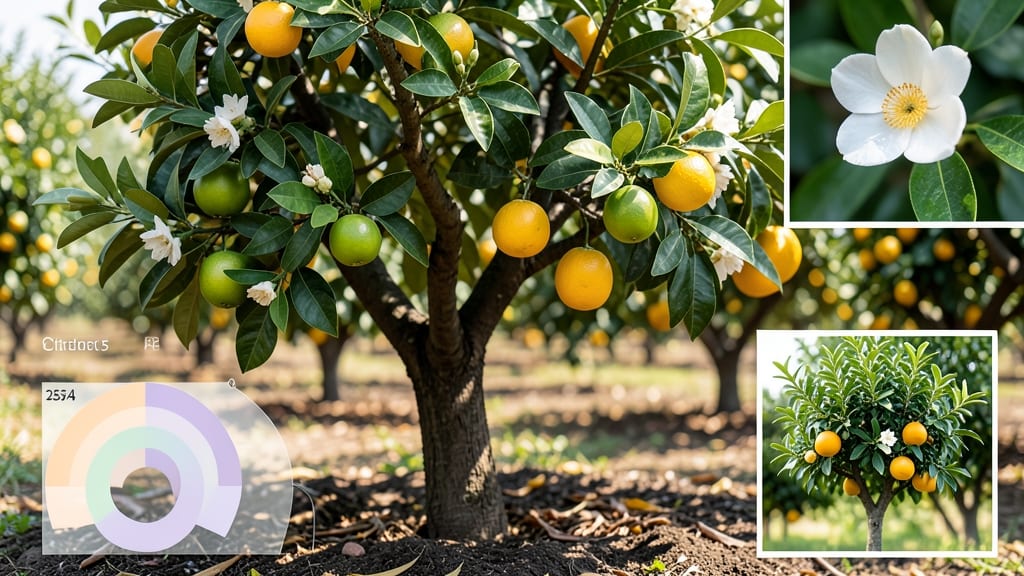
Orange trees bear fruit after a precise window of chill hours—typically 250–600 hours below 45°F—that kickstarts their blooming cycle, and skipping this step means years of waiting for a single orange.
Wondering why your 🍊 isn’t producing yet? The answer lies in a hidden factor called ‘chill hours’—and knowing the right orange varieties for your climate can mean the difference between a bountiful harvest and years of waiting.
Most citrus varieties, like Valencia or Navel, need 3–5 years to mature before fruiting, but even then, they’ll only bear fruit if they’ve gotten enough winter chill. In warmer zones like USDA 9b–11, you’ll need cold-hardy types like Satsuma or Meyer lemons to trick the tree into blooming.
Below, I’ll break down the exact chill-hour requirements by variety, how to spot a tree ready to fruit, and the 5 secrets to speeding up harvest—so you can enjoy homegrown oranges sooner than you think.
How chill hours determine when orange trees bear fruit
If you’ve planted an orange tree hoping for a sweet harvest but are still waiting, chill hours might be the missing piece of the puzzle. These hours—defined as the number of temperatures between 32°F and 45°F your tree experiences—are critical for triggering blooms and fruit production.
Without enough, your tree may stay barren despite ideal growing conditions.
Citrus trees, including oranges, evolved in subtropical climates where winter temperatures dip just enough to signal dormancy and flower production. Too little chill time delays fruiting, while too much can damage tender varieties. Understanding your region’s chill hours helps you choose the right orange tree for your climate.
For example, Valencia oranges thrive with 250–400 chill hours, while Navel oranges need 400–600 hours. Subtropical varieties like Meyer lemons or Calamondin oranges often require 0–150 chill hours, making them ideal for warmer zones like Southern California or Florida.
Why chill hours matter: They reset the tree’s biological clock, ending dormancy and prompting flower buds to form. Without this cue, your tree might grow leaves and branches but skip the fruiting stage entirely. Even if you live in a mild-winter zone, some varieties can adapt with artificial chill treatments or strategic pruning.
Here’s how to check your local chill hours: Use a chill hour calculator (like those from your state’s agricultural extension service) or refer to USDA Plant Hardiness Zone maps. Zones 9–11 typically offer enough chill for most citrus, but microclimates—like coastal areas—can skew results.
Cold-hardy varieties like Satsuma mandarins can handle up to 800 chill hours, while others, such as Blood oranges, need 500–700 hours. Matching your tree to your climate ensures it blooms on time and produces fruit when expected.
| Variety | Chill Hours Needed | Cold Hardiness | Fruiting Age | Best Climate Zones |
|---|---|---|---|---|
| Valencia Orange | 250–400 | Moderate (25°F) | 3–5 years | USDA 9–11 |
| Navel Orange | 400–600 | Moderate (25°F) | 4–6 years | USDA 9–11 |
| Satsuma Mandarin | 600–800 | Hardy (15°F) | 2–3 years | USDA 7–9 |
| Blood Orange | 500–700 | Moderate (20°F) | 4–5 years | USDA 8–11 |
| Meyer Lemon | 0–150 | Tender (28°F) | 2–3 years | USDA 9–11 |
| Calamondin Orange | 0–100 | Tender (25°F) | 2–3 years | USDA 10–11 |
If your local chill hours fall short for your desired variety, don’t give up! Dwarf or semi-dwarf trees often fruit faster (as early as 2–3 years) and can be grown in containers, where you can move them to cooler spots in winter to accumulate chill hours.
For example, a Meyer lemon in a pot can be placed near an air-conditioned garage during mild winters to simulate chill exposure.
Pruning also plays a role. In late winter, remove dead or overcrowded branches to redirect energy toward fruit production. This is especially helpful for young trees still building their structure.
Pair pruning with a balanced citrus fertilizer (high in potassium and phosphorus) to support flowering and fruiting once chill requirements are met.
Remember, patience is key. Even with perfect chill hours, orange trees typically take 3–6 years to bear fruit, depending on the variety and growing conditions.
Tracking your tree’s progress—like noting when buds form or flowers appear—helps you gauge whether chill hours are the limiting factor or if other issues (like pests or poor soil) are at play.
For gardeners in USDA Zone 8 or cooler, consider Satsuma mandarins or Trifoliate orange hybrids, which tolerate more chill and can even handle light frosts. These varieties are bred to thrive where traditional citrus would struggle, making them a smart choice for cooler climates.
🍊
Orange tree fruit timeline by variety: from blooms to harvest
Orange trees don’t rush into fruiting—they follow a precise seasonal rhythm shaped by variety, age, and climate zone. While some varieties like Meyer lemons might fruit in 2–3 years, classic oranges like Valencia often wait 5–7 years for their first harvest.
The key? Understanding your tree’s chill hour needs and bloom cycles. In USDA Zone 9b+, trees bloom year-round, but colder zones (like Zone 8a) may see delayed blooms until spring.
Your orange tree’s journey from flower to fruit spans 6–12 months, depending on the variety. Early bloomers like Blood Oranges may produce fruit in 9–11 months, while late-season Navel Oranges can take up to 14 months.
Below, I’ve mapped out the critical stages for popular varieties, so you’ll know exactly when to expect blossoms, fruit set, and harvest—plus how to adjust care for your climate zone.
| Variety | Age at First Fruit | Bloom Period | Harvest Window | Chill Hours Needed | Best Climate Zones |
|---|---|---|---|---|---|
| Valencia Orange | 5–7 years | Spring (Mar–Apr) | Fall (Oct–Dec) | 250–400 hours | USDA 9b–11 |
| Navel Orange | 6–8 years | Winter–Spring (Dec–Feb) | Late Winter (Feb–Mar) | 400–600 hours | USDA 9a–11 |
| Blood Orange | 4–6 years | Fall–Winter (Sep–Nov) | Winter–Spring (Jan–Mar) | 300–500 hours | USDA 8b–11 |
| Meyer Lemon (Hybrid) | 2–3 years | Year-round (peaks spring) | Spring–Fall (Mar–Oct) | 100–200 hours | USDA 8a–11 |
| Satsuma Mandarin | 3–5 years | Late Winter (Jan–Feb) | Early Fall (Sep–Oct) | 200–300 hours | USDA 7b–10 |
If you’re in a warmer zone (USDA 10–11), your tree may bloom twice yearly, leading to overlapping harvests. For example, Valencia Oranges in Zone 11 might produce fruit in both spring and fall.
In cooler zones (USDA 8–9), like Los Angeles or Orlando, blooms are seasonal, and harvests align with spring or fall. Pro tip: Prune in late winter to encourage stronger blooms and better fruit set.
Watch for white blossoms in late winter—this signals fruit set in 3–6 months. Young fruit may drop if pollination fails; hand-pollinate with a small brush if needed. Thin fruit when they’re golf-ball sized to ensure larger, sweeter oranges.
In Zone 8a, protect blossoms from late frosts with frost cloth, as even 32°F can kill flowers.
Harvest timing varies by variety: Navel Oranges ripen in February–March, while Valencias peak in October–December. Pick when the fruit yields slightly to gentle pressure and smells sweet. Store unripe fruit at room temperature to ripen; refrigerate for long-term storage.
In Zone 11, some varieties like Meyer Lemons produce fruit year-round, so check trees monthly.
Patience is key—your first harvest may be small but sweet. With proper care, a 10-year-old Valencia tree can yield 500+ oranges annually! Track your tree’s progress with a gardening journal to note bloom dates and adjust care for next season. 🌱