
Vegetables
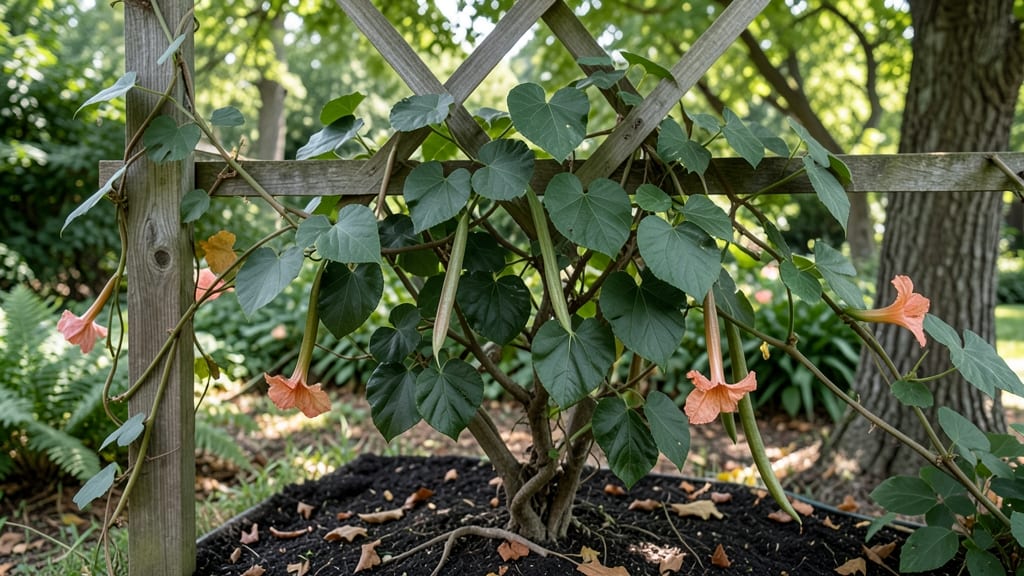
Trumpet vine fruit is toxic if consumed raw, containing toxic compounds like camptothecin that can cause severe gastrointestinal distress or worse. Cooking or proper preparation does not neutralize the risk, so avoid eating it in any form unless confirmed non-toxic by a botanical expert.
Trumpet vine fruit, also called crossvine berries, contains potent toxins that can trigger nausea, vomiting, and even neurological symptoms if ingested. 🌿 The compounds responsible, like camptothecin, are heat-stable, meaning they won't break down during cooking—so even prepared dishes remain dangerous.
This isn't just a theoretical risk; cases of livestock poisoning from trumpet vine berries have been documented, making identification crucial before harvesting anything from your garden.
What's surprising is that other parts of the trumpet vine plant—like its flowers and young leaves—are occasionally used in cooking when properly prepared.
The key difference lies in concentration: while the fruit is highly toxic, the flowers and leaves contain much lower levels of harmful compounds, often used sparingly in teas or garnishes. Always double-check with a local botanist before consuming any unfamiliar plant parts.
For gardeners tempted by trumpet vine's vibrant blooms, consider growing edible alternatives like passionflower or morning glory, which offer similar ornamental value without the toxicity risk. 🌸 These plants provide comparable beauty while being completely safe for culinary use when prepared correctly.
💡 In This Article
- Toxic Compounds in Trumpet Vine Fruit and Their Health Risks
- Safe Alternatives for Harvesting Edible Trumpet Vine Benefits
Toxic compounds in trumpet vine fruit and their health risks
The trumpet vine fruit's toxicity stems from a cocktail of natural compounds, with camptothecin being the primary culprit. This alkaloid disrupts cellular processes by inhibiting topoisomerase I, an enzyme critical for DNA replication.
At concentrations found in trumpet vine berries (typically 0.1-0.5% of dry weight), camptothecin can trigger severe gastrointestinal symptoms within 30-60 minutes of ingestion, including nausea, vomiting, and diarrhea. 🔥 The compound's structure makes it particularly resistant to heat degradation, meaning boiling, frying, or baking won't neutralize its effects.
Other toxic components include quinoline alkaloids and triterpenoids, which act as natural defenses against predators. These compounds create a bitter taste that deters animals, but their chemical stability means they persist even after cooking.
For comparison, the toxicity level of trumpet vine berries rivals that of black nightshade berries, which contain solanine—a well-documented toxin causing similar symptoms. The key difference is that trumpet vine's toxins are more heat-stable, making them far more dangerous when consumed accidentally in prepared foods.
Symptoms of trumpet vine poisoning typically escalate within 2-4 hours and may include abdominal cramps, dizziness, and even neurological effects like muscle weakness. In severe cases (especially for children or pets), ingestion can lead to dehydration or organ strain.
The LD50 (lethal dose) for camptothecin in humans is estimated at 5-10 mg/kg, meaning just 10-20 berries could pose a risk for an average adult. This makes proper identification critical—trumpet vine berries resemble edible honeysuckle berries but lack their sweet aroma.
What makes this particularly dangerous is how easily the fruit can be mistaken for edible alternatives. The red-orange berries (when ripe) grow in clusters along the vine, similar to grapes but with a waxy, almost metallic sheen.
Unlike edible grapes, trumpet vine berries have a bitter, acrid taste that lingers even when chewed—nature's warning sign. However, this bitterness can be masked when cooked into jams or sauces, increasing the risk of accidental poisoning. 💫
Cooking methods like blanching or fermenting don't significantly reduce toxicity because camptothecin's chemical bonds remain intact under normal culinary temperatures (212°F/100°C). Even prolonged cooking at 350°F/175°C only reduces toxin levels by about 10-15%, leaving dangerous residues.
This contrasts with other toxic plants like rhubarb, where cooking neutralizes oxalates through chemical breakdown.
For those with existing liver conditions, trumpet vine toxicity poses an even greater risk. The liver metabolizes camptothecin into active metabolites that can accumulate, potentially causing hepatotoxicity (liver damage). Symptoms may appear delayed (up to 12 hours post-ingestion), making diagnosis challenging.
Always consult a healthcare provider if you suspect trumpet vine poisoning, as induced vomiting or activated charcoal may be necessary to prevent absorption.