
Plants
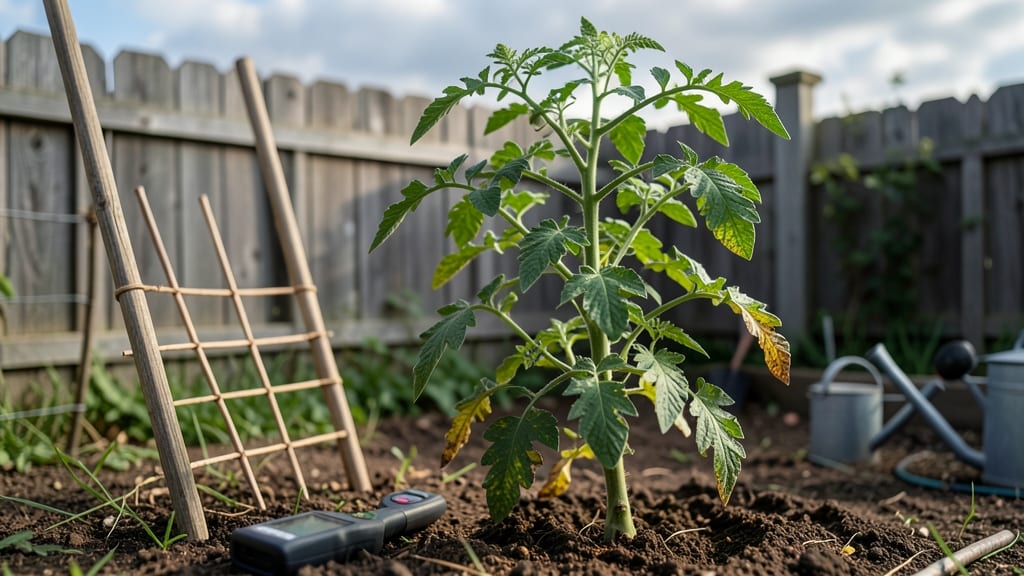
Tomato plants with no fruit can feel like a cruel joke from Mother Nature—until you know the hidden triggers. 🌱 I’ve watched lush green plants drop blossoms like confetti, only to realize one small thing was missing: the right balance of heat, water, and pollinators. The good news?
Most of these issues have simple fixes that turn "why isn’t this working?" into "why didn’t I try this sooner?" The biggest culprits are often invisible: too much nitrogen (leafy monsters, no fruit), inconsistent watering (blossom drop), or even a lack of bees buzzing by.
I once had a tomato cage full of flowers that vanished overnight—turns out, my morning watering was washing away pollen. Within days of adjusting my routine, those same plants were heavy with fruit.
You’ll start by checking three critical areas: pollination (hand-pollinate if bees are scarce), fertilizer ratios (switch to low-nitrogen, high-phosphorus), and environmental stress (even a single night below 55°F can stop fruit set). The payoff? A vine that goes from "pretty but useless" to "neighborhood bragging rights" in under two weeks.
This works for heirlooms, cherry tomatoes, or beefsteaks—just tweak the timing and focus. Let’s get those plants producing!
Root Causes Behind Empty Tomatoes
Tomato plants thriving with lush green leaves but stubbornly refusing to produce fruit can be frustrating, but understanding the science behind it is the first step to fixing the problem.
Let’s break down the most common reasons—each with a clear explanation and actionable insights to help your plants finally bear fruit.
Tomatoes are warm-season plants, and their fruit production is highly sensitive to temperature fluctuations. Blossoms can drop or fail to set fruit when exposed to extreme heat or cold, a phenomenon known as "blossom drop" or "blossom end rot" (though the latter is more about calcium deficiency).
- Too Cold (Below 55°F/13°C): Pollination fails because bees and other pollinators are less active, and the plant’s metabolic processes slow down.
Even if flowers form, they may abort before fruit develops. - Too Hot (Above 90°F/32°C): High temperatures can cause "male sterility" in tomato flowers—pollen grains fail to mature properly, leaving flowers unpollinated. This is common in greenhouses or during heatwaves.
💡 Pro Tip: Use shade cloth during peak summer heat or opt for heat-tolerant varieties like 'Solar Fire' or 'Heatmaster.' If nights dip below 60°F (15°C), consider a row cover for early-season protection.
Tomatoes have shallow roots and are highly sensitive to moisture fluctuations. Uneven watering—whether drought stress or overwatering—can disrupt flower and fruit development.
- Underwatering: Causes physiological drought stress, leading to abscission (premature flower drop). The plant prioritizes survival over reproduction. - Overwatering: Leads to root rot or nutrient leaching, weakening the plant’s ability to support fruit growth.
Poor oxygen in waterlogged soil also disrupts hormone signals (like ethylene and auxin) needed for fruit set.
✨ Actionable Fix: Water deeply 1–2 times per week (depending on climate) to encourage deep root growth. Use drip irrigation or soaker hoses to keep moisture consistent. Avoid wetting leaves to prevent fungal diseases like blight, which can further stress the plant.
Tomatoes are self-pollinating, but they rely on vibrations, wind, or insects (like bees) to transfer pollen from the anther (male part) to the stigma (female part). Without proper pollination, flowers form but fail to swell into fruit.
- Lack of Bees: In urban gardens or greenhouses, bees may be scarce.
Even hand-pollination can fail if flowers aren’t mature enough. - Poor Weather: Rain, high humidity, or wind can wash away pollen or prevent pollinators from accessing flowers. - Genetic Issues: Some parthenocarpic varieties (like 'Sugar Snack' or 'Tiny Tim') produce fruit without pollination, but most heirlooms require it.
🔥 Quick Fix: Hand-pollinate by gently shaking plants in the morning (when pollen is sticky) or use a small paintbrush to transfer pollen from flower to flower. For greenhouses, introduce bee-friendly plants or use a handheld pollination tool.
Fruit production demands specific nutrients, and deficiencies or excesses can halt tomato development. The most critical culprits:
| Nutrient Issue | Symptoms | Solution |
|---|---|---|
| Nitrogen (N) Excess | Lush green leaves, no flowers | Reduce nitrogen-rich fertilizers (like blood meal); switch to a balanced 10-10-10 or 5-10-10 formula. |
| Phosphorus (P) Deficiency | Purple stems, weak roots, small or no fruit | Apply bone meal or a phosphorus-rich fertilizer (like 5-10-5) at planting. |
| Potassium (K) Deficiency | Yellowing leaf edges, weak stems, poor fruit set | Use wood ash, banana peels, or a potassium sulfate supplement. |
| Calcium (Ca) Deficiency | Blossom end rot (dark spots on fruit), stunted growth | Apply crushed eggshells, lime, or calcium nitrate. |
🎯 Golden Rule: Conduct a soil test to diagnose deficiencies. Most tomatoes thrive in slightly acidic soil (pH 6.0–6.8). If your soil is too alkaline, amend with sulfur or peat moss.
Sometimes, the issue isn’t environmental but inherent in the plant itself:
- Juvenile Phase: Young tomato plants (especially indeterminate varieties) may focus on leaf growth before flowering. This can take 4–8 weeks—patience is key! - Day Length Sensitivity: Some varieties (like short-day tomatoes) require specific light conditions to flower.
If planted in the wrong climate, they may stay vegetative. - Disease or Pest Damage: Viruses (like Tobacco Mosaic Virus) or pests (hornworms, aphids) can stunt growth and prevent flowering. Check for chewed leaves, stunted stems, or unusual patterns.
💡 Prevention Tip: Start with healthy transplants from reputable nurseries. If pests are the issue, use neem oil or Bacillus thuringiensis (Bt) for organic control.
While nitrogen is essential for leafy growth, too much of it delays flowering and fruiting. Tomatoes need a shift in nutrient focus from vegetative to reproductive growth.
- Symptoms: Bushy plants with tiny leaves and no flowers, or flowers that drop immediately.
- Fix: Reduce nitrogen and increase phosphorus and potassium. Try a fish emulsion (5-1-1) or compost tea to balance nutrients naturally.
⏰ Timing Matters: Stop high-nitrogen fertilizers 4–6 weeks before harvest to encourage fruiting. Instead, switch to a low-nitrogen, high-phosphorus fertilizer like rock phosphate.
Revive Your Tomatoes: Fixing No-Fruit Issues
Now that you know why your tomato plants might be skipping the fruit stage, let’s roll up our sleeves and get them back on track! 🌱🍅 The good news? Most of these problems have simple, actionable fixes—no green thumb required.
Below, we’ll break down the most common causes and pair them with step-by-step solutions, plus tips to keep your plants thriving long-term.
If your tomatoes are struggling with temperature swings, they might be throwing a tantrum by refusing to set fruit. Here’s how to cool things down (or warm them up) the right way:
- 🌞 Beat the Heat: - Shade Cloth to the Rescue: Install 30-50% shade cloth over your plants during peak afternoon sun (12 PM–4 PM).
This mimics a gentle breeze and prevents heat stress. - Mulch Like a Pro: Spread 2–3 inches of organic mulch (straw, wood chips, or grass clippings) around the base of the plant.
This keeps roots cool and retains moisture. - Water Deeply at Dawn: Drench the soil early in the morning (not at night) to avoid evaporative cooling that can shock plants. Aim for 1–1.5 inches of water per week, adjusting for rain.
- ❄️ Protect from Chill: - Row Covers for Nights: Use floating row covers or lightweight fabric to shield plants from temps below 55°F (13°C).
Secure edges with bricks or soil to prevent wind damage. - Move Potted Tomatoes Indoors: If you’re growing in containers, bring them near a sunny window or under grow lights during cold snaps.
Avoid drafts! - Black Plastic Trick: Lay black plastic mulch over the soil to absorb and radiate heat. This works best in cooler climates.
💡 Pro Tip: Tomatoes love warm days (70–85°F / 21–29°C) and cool nights (55–70°F / 13–21°C). Use a soil thermometer to monitor conditions—roots should stay above 60°F (16°C).
Watering is an art, not a science—and your tomatoes are very picky about it. Here’s how to strike the perfect balance:
- 🚰 Underwatering? Revive Them Now: - Soak the Soil: Water deeply until the top 6–8 inches of soil are moist.
Use a hose with a gentle spray nozzle or a drip irrigation system to avoid surface drying. - Check for Wilting: If leaves droop but spring back when watered, you’re good.
If they stay limp, it’s a root issue (see next section). - Morning Watering Rule: Always water before 10 AM to prevent fungal diseases like blight.
- 🌊 Overwatering?
Dry Them Out Gently: - Let the Soil Dry Slightly: Stick your finger 1–2 inches into the soil—if it’s soggy, hold off on watering for a day or two. - Improve Drainage: If your pots or garden bed have poor drainage, add perlite or coarse sand to the soil mix.
Raised beds help too! - Aerate the Roots: Gently loosen the top 2 inches of soil around the plant to encourage airflow and prevent rot.
✨ Prevention Hack: Use a moisture meter or plastic bottle DIY gauge (bury a bottle neck-deep and fill with water—when it’s empty, it’s time to water).
Tomatoes are heavy feeders, and if they’re not getting the right nutrients, they’ll skip the fruit stage faster than you can say “blight.” Here’s how to fix it:
- 🍄 Low Phosphorus (P)? Boost Blooms! - Apply Bone Meal: Sprinkle 1–2 tablespoons of bone meal around the base of the plant and water it in.
This gives a slow-release phosphorus boost. - Compost Tea Soak: Brew compost tea (steep compost in water for 24–48 hours) and use it as a foliar spray or soil drench. - Banana Peel Trick: Bury chopped banana peels near the roots—they’re packed with potassium and phosphorus!
- 💪 Nitrogen Overload?
Balance the Diet: - Stop High-Nitrogen Fertilizers: If you’ve been using blood meal, fresh manure, or lawn clippings, switch to a balanced fertilizer (like 5-5-5 or 10-10-10). - Fish Emulsion Fix: Mix 1 tablespoon of fish emulsion in a gallon of water and apply as a foliar spray or soil drench.
Fish emulsion is rich in nitrogen and micronutrients. - Epsom Salt for Magnesium: If leaves are yellowing between veins, sprinkle 1 tablespoon of Epsom salt per gallon of water and spray on leaves.
🎯 Targeted Feeding Schedule:
| Issue | Quick Fix | Prevention |
|---|---|---|
| No blossoms | Phosphorus-rich fertilizer (e.g., 5-10-10) | Side-dress with compost every 4 weeks |
| Small fruit | Potassium boost (wood ash or kelp meal) | Mulch with banana peels or greensand |
| Yellow leaves | Iron chelate or Epsom salt spray | Test soil pH (aim for 6.0–6.8) |
If your tomatoes aren’t getting pollinated, they won’t turn into fruit—even if flowers bloom! Here’s how to give them a helping hand:
- 🐝 Attract Bees & Butterflies: - Plant Companion Flowers: Grow marigolds, basil, or borage nearby—they lure pollinators like bees and hoverflies. - Avoid Pesticides: Skip neonicotinoids and other bee-killing chemicals.
Use neem oil or soapy water spray for pests instead. - Create a Pollinator Pathway: Leave some “wild” areas in your garden with clover, dandelions, or sunflowers to feed bees.
- 👨🍳 Hand-Pollinate Like a Pro: - Gentle Shake Method: On dry, sunny mornings, lightly shake the plant or tap individual flowers with a small brush or your finger. - DIY Pollen Transfer: Use a paintbrush or cotton swab to dab pollen from one flower to another.
Focus on morning-glory-shaped flowers (the ones that will become fruit). - Fan Them Out: Place a small fan on low speed near the plants for 10–15 minutes daily to simulate wind pollination.
🔥 Emergency Fix: If your plants are in a greenhouse or indoors, use a handheld battery-powered fan for 5 minutes daily during blooming season.
If your tomato’s roots are struggling—whether from root rot, compacted soil, or pests—the whole plant suffers. Here’s how to nurse them back to health:
- 🚨 Root Rot Rescue: - Prune Damaged Roots: Carefully dig up the plant (if in a pot) and trim any black, mushy roots with sterilized scissors.
Replant in fresh, well-draining soil. - Hydrogen Peroxide Soak: Soak roots in a 3% hydrogen peroxide solution (1 part peroxide to 3 parts water) for 10 minutes to kill fungus before replanting. - Fungicide Treatment: Spray with copper fungicide or baking soda mix (1 tsp baking soda + 1 quart water + a few drops of dish soap).
- 🐜 Pest Control for Roots:
- Nematode Nemesis: Drench soil with neem oil or garlic spray (blend 1 chopped garlic bulb + 1 quart water, strain, and spray).
- Beneficial Nemat
Frequently asked questions
Why do my tomato plants have flowers but no fruit?
This usually happens due to poor pollination, extreme temperatures, or nutrient imbalances. Tomatoes need vibrations from wind, bees, or gentle shaking to transfer pollen. If your garden lacks pollinators, try hand-pollinating with a small brush or shaking plants early in the morning. Also check if temperatures are too hot (above 90°F) or cold (below 55°F), as these can prevent fruit set.
How do I know if my tomato plants have too much nitrogen?
Excess nitrogen creates leafy monsters—plants with huge green leaves but no flowers or fruit. Look for tiny leaves, weak stems, and abundant foliage but no blossoms. To fix it, stop using high-nitrogen fertilizers (like blood meal) and switch to a balanced 5-10-10 or phosphorus-rich fertilizer to encourage flowering. Compost tea can also help rebalance nutrients.
Can I still save my tomato plants if they've been underwatered?
Yes! Water deeply 1–2 times per week (about 1–1.5 inches of water) and monitor soil moisture. If leaves are crispy or wilted beyond recovery, prune damaged foliage to help the plant focus on new growth. For future prevention, use mulch to retain moisture and consider drip irrigation for consistent watering.
What's the fastest way to fix blossom end rot?
Blossom end rot occurs from calcium deficiency or inconsistent watering. Apply crushed eggshells or calcium nitrate around the base of the plant and water deeply. Keep soil moisture consistent—never let it dry out completely. For immediate results, spray a calcium chloride solution (1 tsp per gallon of water) on leaves. Also check your soil pH—tomatoes prefer 6.0–6.8.
Are some tomato varieties more likely to produce fruit than others?
Yes! Determinate varieties (like 'Roma' or 'Celebrity') produce fruit all at once and are more reliable for beginners. Indeterminate types (like 'Sungold' or 'Beefsteak') grow continuously but may need more care. For pollinator-friendly options, try 'Solar Fire' (heat-tolerant) or 'Sweet Million' (self-pollinating). Always choose disease-resistant varieties for your climate.