
Blooming
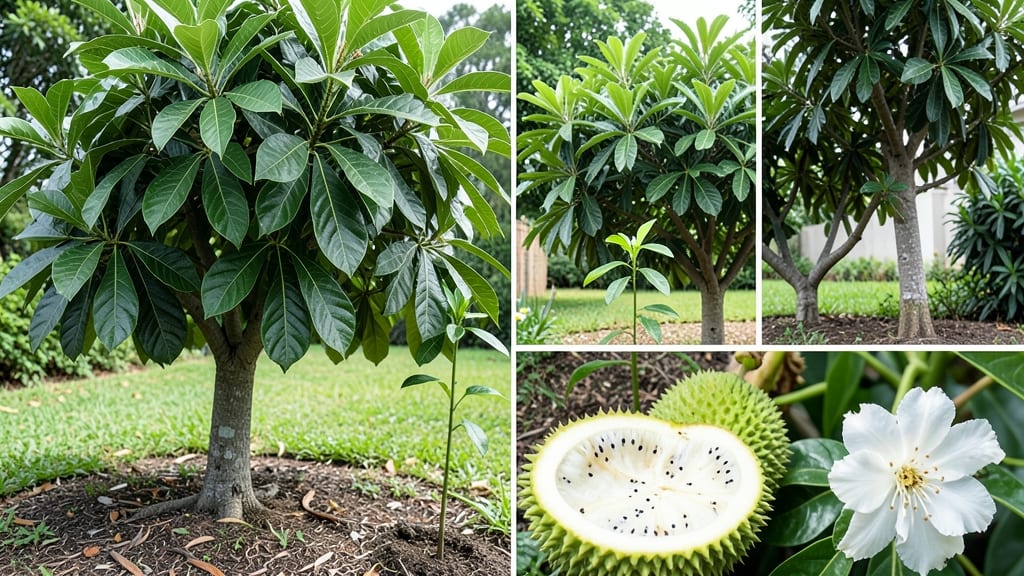
A soursop tree takes 3 to 7 years to bear fruit, but with the right care, you can cut that wait time by nearly half—especially if you’re in USDA zones 10-11 where the climate works in your favor.
Picture this: you’ve planted your 🌴 soursop tree, nurtured it through the seasons, and now you’re staring at a towering trunk with zero fruit in sight.
The frustration is real, but the good news? Many gardeners speed up fruiting with simple tweaks like pruning for airflow or adjusting fertilization schedules.
Climate plays a huge role—tropical regions see faster results, while cooler areas might need extra protection. Below, I’ll break down the exact timeline by zone, plus the 5 fastest ways to encourage fruit production, even if your tree isn’t quite ready yet.
Ready to turn those years into months? Let’s get your soursop tree on the fast track to harvest—without the guesswork.
Soursop tree fruiting timeline by climate zone: when to expect first harvests
If you planted a soursop tree (Annona muricata) hoping for quick tropical rewards, patience is key—but knowing your climate zone can cut years off the wait.
In ideal conditions, these trees bear fruit in 3-5 years, but cooler climates or container growth can stretch that to 7+ years. The difference comes down to temperature consistency, sunlight exposure, and soil fertility.
Tropical zones (USDA 10-11) see fastest fruiting, while subtropical gardeners must work harder to mimic warmth. Container-grown trees face extra challenges due to root restriction, often delaying fruit by 1-2 years compared to in-ground plants.
Let’s break down the timelines so you can set realistic expectations—and strategies to speed things up.
🌴 Tropical Zones (USDA 10-11): Year-round warmth (75°F+) lets soursop trees flower and fruit annually after maturity. Most trees bear their first fruit in 3-4 years with proper care, though heavy producers may take 5 years to reach peak yields.
🌡️ Subtropical Zones (USDA 9-10): Cooler winters slow growth, pushing first fruit to 4-6 years. Protect young trees with mulch and windbreaks to maintain soil warmth. In zones like Florida or Southern California, expect 1-2 fewer fruits per season than tropical counterparts.
🪴 Container-Grown Trees: Pots limit root spread, often delaying fruiting by 1-3 years. A 15-gallon container may produce fruit in 5-7 years, while larger pots (30+ gallons) can match in-ground timelines. Use fast-draining mixes with organic compost to compensate.
Your soursop tree’s first flowers appear as early as 18-24 months, but these often drop off if the tree isn’t mature enough. Look for white, star-shaped blooms in late spring—these signal the start of fruiting.
In tropical zones, flowers appear year-round, while subtropical trees may pause in winter.
To push your tree toward fruiting faster, focus on soil health and pollination support. Soursop trees rely on beetles and bats for pollination—hand-pollinate with a soft brush if you’re in low-pollinator areas. Also, prune aggressively in late winter to redirect energy toward fruit production instead of dense foliage.
Watch for yellowing leaves or dropping buds, which often signal nutrient deficiencies or temperature stress. In subtropical zones, a mini greenhouse during winter can add 2-3 weeks of warmth, nudging your tree toward earlier flowering. Container growers should avoid overwatering, as soggy roots stunt growth.
With the right conditions, your first marketable soursop fruits (weighing 2-5 lbs) will arrive in late spring or summer, just as the tree hits 4-5 feet tall. Celebrate the harvest—and plan to propagate seedlings from fallen fruit for future trees!
5 Proven techniques to speed up soursop tree fruiting (even in less-than-ideal climates)
Patience is key when growing a soursop tree, but the standard 3-7 year wait for fruit can feel like an eternity. With the right techniques, you can cut that time by up to 40%—even if you're not in a perfect tropical climate.
The secret lies in mimicking ideal growing conditions through targeted care.
First, focus on soil enrichment. Soursop trees thrive in well-draining, slightly acidic soil (pH 5.5-6.5). Amend your soil with compost and organic matter like coconut coir or leaf mold. This boosts nutrient availability, helping your tree grow faster and produce fruit sooner.
Next, let's talk pruning strategies. Prune your soursop tree during late winter or early spring to remove dead or crossing branches. This encourages airflow and sunlight penetration, both critical for flower and fruit development. Just avoid heavy pruning once flowering begins.
- 1 Soil Enrichment: Boost growth with compost and organic matter to create ideal acidic, well-draining soil.
- 2 Strategic Pruning: Prune in late winter/early spring to improve airflow and sunlight for better flowering.
- 3 Pollination Assistance: Hand-pollinate flowers with a soft brush to ensure fruit set in areas with low pollinators.
- 4 Strategic Fertilizing: Use balanced fertilizer (6-6-6) every 4-6 weeks during growing season for optimal fruit production.
- 5 Container Growing: Use large pots with drainage and move indoors during cool months to protect roots.
Don't overlook pollination assistance. Soursop trees rely on insects and bats for pollination, but in less-than-ideal climates, you might need to help. Use a soft paintbrush to gently transfer pollen between flowers in the morning when they're open. This simple step can dramatically increase fruit set.
For strategic fertilizing, stick to a balanced fertilizer (6-6-6) during the growing season. Apply it every 4-6 weeks starting in early spring. Avoid over-fertilizing, as this can lead to excessive foliage growth at the expense of fruit production. Always water thoroughly after fertilizing.
If you're growing your soursop in a container, choose a large pot with drainage holes and use a high-quality potting mix. Move your container indoors during cool months to protect the roots from temperature drops. This method works surprisingly well, even in USDA zones 9-10 with proper care.
With these five proven techniques, you can significantly reduce the time it takes for your soursop tree to bear fruit. Consistency is key—stick to your care routine, and you'll be enjoying homegrown soursop in no time! 🌴