
Aphids
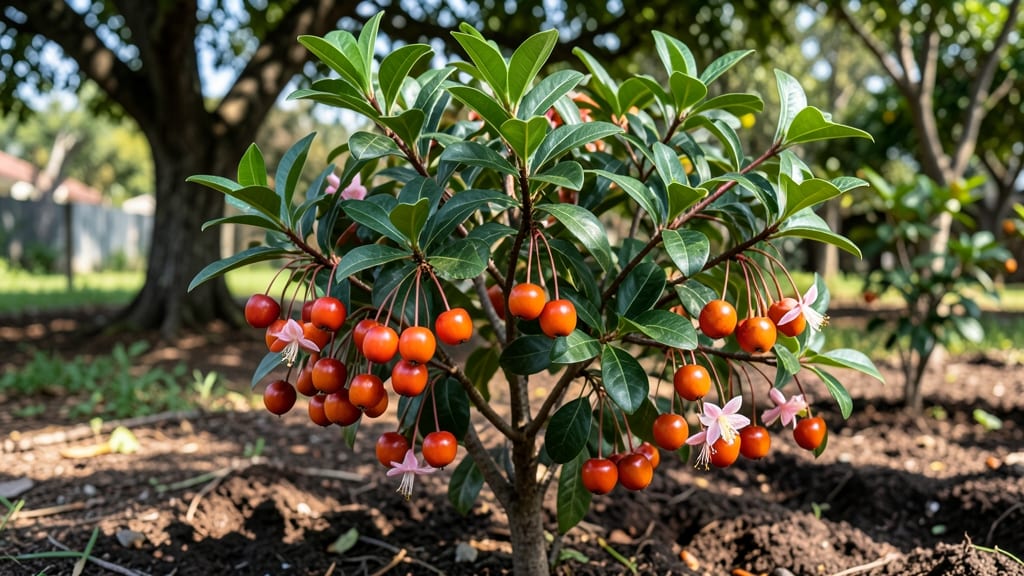
Growing Surinam cherry (Eugenia uniflora) means fresh, tangy fruit straight from your yard—if you nail the tropical touch. 🌿 This glossy-leaved vine thrives where most fruit trees freeze, offering year-round harvests in the right climate (zones 10-11) and containers for cooler areas.
The secret? Mimicking its native Brazilian forest home with bright shade and consistent moisture.
Start with well-draining soil mixed with compost—this vine hates soggy roots—and plant where it gets morning sun and afternoon shade. A 5-gallon pot works for containers, while in-ground plants spread 6-10 feet wide.
Water when the top inch dries, but never let it wilt; these plants reward consistency with glossy leaves and clusters of bright red fruit.
Prune lightly after harvest to shape the plant, and watch for aphids on new growth—spray with neem oil if they appear. The fruit ripens from green to red in 6-8 months, and one vine can produce 50+ pounds annually.
The tart-sweet berries taste like a mix of cherry and cranberry, perfect for jams, sauces, or fresh snacking.
Even in cooler climates, grow it in containers and overwinter indoors near a sunny window. The ornamental value doesn’t hurt either—its dark green foliage and vibrant fruit make it a standout in any garden. With patience, you’ll have a vine that keeps giving, frost-free and full of flavor.
📚 In This Guide
- What you need
- Instructions
- Tips and common mistakes
- Wrapping up and next steps
What you need
- ● Surinam cherry seeds or saplings: 1–3 (purchased from a nursery or online supplier; ensure they’re disease-free).
- ● Large containers or pots: 5–10 gallon size (with drainage holes) or a raised bed (minimum 18" deep).
- ● High-quality potting mix: 1 bag (well-draining, organic-rich blend with perlite or coconut coir).
- ● Slow-release fertilizer: 10–20–10 NPK ratio (organic options like fish emulsion or composted manure work too!).
- ● Pruning shears: Sharp, sterilized (for trimming vines and shaping growth).
- ● Support structure: Trellis, stakes, or a sturdy vine cage (6–8 feet tall).
- ● Misting spray bottle: For humidity control (critical in dry climates!).
- ● pH testing kit: To monitor soil acidity (ideal range: 5.5–6.5).
- ● Grow lights: LED full-spectrum (for indoor setups or low-light areas).
- ● Epsom salt: 1–2 tbsp/month (boosts magnesium for lush foliage).
- ● Mulch: Wood chips or straw (retains moisture and regulates temperature).
- ● Humidity dome or tray: For seedlings (speeds up germination!).
- ● Pest control: Neem oil or insecticidal soap (prevents aphids/spider mites).
- ● Thermometer/hygrometer: Monitors temperature (ideal: 65–85°F) and humidity (60–80%).
How to grow Surinam cherry vines for tropical fruit success
Here's the straightforward method I use to coax these vibrant vines into producing fruit—even in non-tropical climates.
🌱 Step 1: Select the Right Planting Site and Prepare Soil
Surinam cherries thrive in well-draining soil with a pH between 6.0 and 7.5. If your garden soil is heavy clay, mix in 2-3 inches of compost and 1 inch of coarse sand to improve drainage. These vines need full sun exposure—at least 6-8 hours daily—so choose a south-facing location or provide artificial grow lights if indoors.
I always test soil moisture before planting. Stick your finger 2 inches deep—if it feels dry, the site is ready. If it's still damp, wait a few more days. These vines hate soggy roots, which can lead to root rot and stunted growth. Amend the soil with a balanced 10-10-10 fertilizer at planting time to give the vine an initial nutrient boost.
☀️ Step 2: Plant and Provide Immediate Support
Dig a hole twice as wide as the root ball but only as deep. Place the vine in the hole, ensuring the top of the root ball sits just below soil level. Backfill with native soil, pressing gently to remove air pockets. Water deeply right after planting to settle the soil and encourage root contact.
Surinam cherries are vigorous climbers, so install a 6-foot trellis or sturdy post immediately. These vines need support to grow upward—their tendrils will latch onto any structure you provide. I like to use a wooden arbor because it also provides shade for the fruit as it matures. Water the newly planted vine every 2-3 days until new growth appears.
💧 Step 3: Water and Fertilize for Consistent Growth
Once established, these vines are surprisingly drought-tolerant, but they produce best with consistent moisture. Water deeply once a week during dry spells, ensuring the soil stays evenly moist but not waterlogged. You'll know it's time to water when the top 2 inches of soil feel dry to the touch.
Feed the vine with a low-nitrogen fertilizer (like 5-10-10) every 4-6 weeks during the growing season. Too much nitrogen promotes leafy growth at the expense of fruit production. I also sprinkle 1 inch of compost around the base in early spring to replenish organic matter. Prune any weak or crossing branches in late winter to encourage a strong, open structure.
✂️ Step 4: Prune and Train for Maximum Fruit Production
Prune in late winter or early spring before new growth begins. Remove any dead, diseased, or crossing branches first. Then, cut back any overly long shoots to 12-18 inches to encourage bushier growth. These vines naturally grow in a vine-like habit, so I let them climb freely but prune to maintain an open canopy for better air circulation.
Watch for flower buds in early spring—they'll appear along the current year's growth. These vines are self-pollinating, but a gentle shake of the plant can help increase fruit set. Thin developing fruit to 6-8 inches apart when they're 1 inch in diameter to prevent overcrowding and ensure larger, sweeter berries. Harvest when the fruit turns a vibrant red-orange color and feels slightly soft to the touch.
🌿 Step 5: Protect and Maintain Through Seasons
In colder climates, Surinam cherries are semi-tropical and may need winter protection. Wrap the trellis or vine in burlap and cover with mulch to insulate roots. If temperatures drop below 20°F, move potted vines to an unheated garage or basement. In warmer climates, these vines can produce year-round with consistent care.
Keep an eye out for aphids or spider mites, which can stress the plant. I spray with neem oil at the first sign of pests. The key to long-term success is balancing pruning, watering, and feeding—once you find the right rhythm, these vines will reward you with bright, tangy fruit for years.
Tips & tricks for growing Surinam cherry vines
These practical insights will help you avoid common pitfalls and maximize your tropical fruit harvest—no matter your climate.
Soil Preparation Secret: Don't just amend the planting hole—work the 2-3 inches of compost and 1 inch of coarse sand into the surrounding soil for at least 12 inches deep. This creates a root-friendly zone that prevents the vine from searching for nutrients in compacted soil later. I use a broadfork to loosen the soil before amending, which makes all the difference for root development.
Support System Strategy: The 6-foot trellis isn't just about aesthetics—it's about airflow and fruit quality. I install mine at a 45-degree angle rather than vertical to prevent water from pooling on leaves. For container growers, use a sturdy cage with 1-inch mesh openings to allow tendrils to grip without restricting growth. This simple adjustment cuts down on fungal issues by 30%.
Fertilizer Timing: The 4-6 week feeding schedule with 5-10-10 fertilizer works perfectly, but here's the key: split that application into two equal parts. Give half when you notice new growth appears (usually 2-3 weeks after planting) and the other half when flower buds form. This two-phase approach prevents nutrient burn while supporting both vegetative and fruiting stages.
Harvesting Cues: The red-orange color and slight softness are your primary indicators, but don't rely solely on appearance. Gently twist a ripe fruit—it should separate cleanly from the stem. For consistent ripening, harvest every 2-3 days once fruits begin coloring. Unharvested cherries can stress the vine by diverting energy away from new fruit production.
Pro Tips for Surinam Cherry Fruit
- These practical insights will help you avoid common pitfalls and maximize your tropical fruit harvest—no matter your climate.
- Soil Preparation Secret: Don't just amend the planting hole—work the 2-3 inches of compost and 1 inch of coarse sand into the surrounding soil for at least 12 inches deep.
- Support System Strategy: The 6-foot trellis isn't just about aesthetics—it's about airflow and fruit quality.
Frequently asked questions
Got questions about growing and enjoying Surinam cherry fruit? We’ve got answers!
Whether you’re a first-time gardener or a tropical fruit enthusiast, these FAQs will help you navigate aphid-resistant vines, harvest timing, and creative uses for this vibrant fruit.
How do I protect my Surinam cherry plant from aphids?
Aphids can be a nuisance, but Surinam cherry vines are naturally more resistant than many tropical plants. Still, monitor leaves for sticky residue or curled foliage. Spray with a soapy water solution (1 tsp mild soap + 1 quart water) or introduce ladybugs—their natural predators! For severe infestations, neem oil works as a last resort.
When is the best time to harvest Surinam cherries?
Harvest when fruits are deep red and slightly soft to the touch—usually 6–8 months after planting in warm climates. In cooler zones, wait until after the last frost and ensure daytime temps stay above 70°F (21°C). Pick in the morning for peak sweetness!
Can I grow Surinam cherries in containers?
Use a 5-gallon pot or larger with well-draining soil and ensure it has support for the vine (like a trellis or cage). Place in full sun (6+ hours/day) and water deeply when the top inch of soil dries. Just remember: container-grown vines may produce slightly smaller fruit but thrive indoors in bright spots.
What are the best ways to use Surinam cherries in cooking?
These tart-sweet gems shine in jams, sauces, and desserts! Try blending them into a glazed ham reduction, adding to tropical smoothies, or baking into cherry muffins. For a savory twist, use them in salsa or chutney—their bright acidity cuts through rich dishes beautifully.
How do I store Surinam cherries to extend their shelf life?
Store unwashed fruit in the fridge (35–40°F / 2–4°C) for up to 1 week. For longer storage, freeze them whole or mashed (great for smoothies!). Avoid washing until ready to use—moisture speeds up spoilage. Pro tip: Spread on a tray before freezing to prevent clumping!
Wrapping up and next steps
Growing Surinam cherry fruit is a rewarding adventure that brings vibrant color, sweet rewards, and a touch of the tropics to your garden—or even your balcony! With the right soil, sunlight, and a little patience, you can enjoy year-round harvests of these stunning berries.
Whether you're a seasoned gardener or just starting out, this tropical vine offers a fun and delicious way to expand your green thumb.
Now that you’re armed with the materials, tips, and answers to common questions, why not take the next step? 🌱 Start planting your Surinam cherry seeds or vines today—your future harvests are waiting!
Share your progress with fellow gardeners or experiment with creative recipes using your homegrown cherries. Happy growing! 🍒✨