
Trees
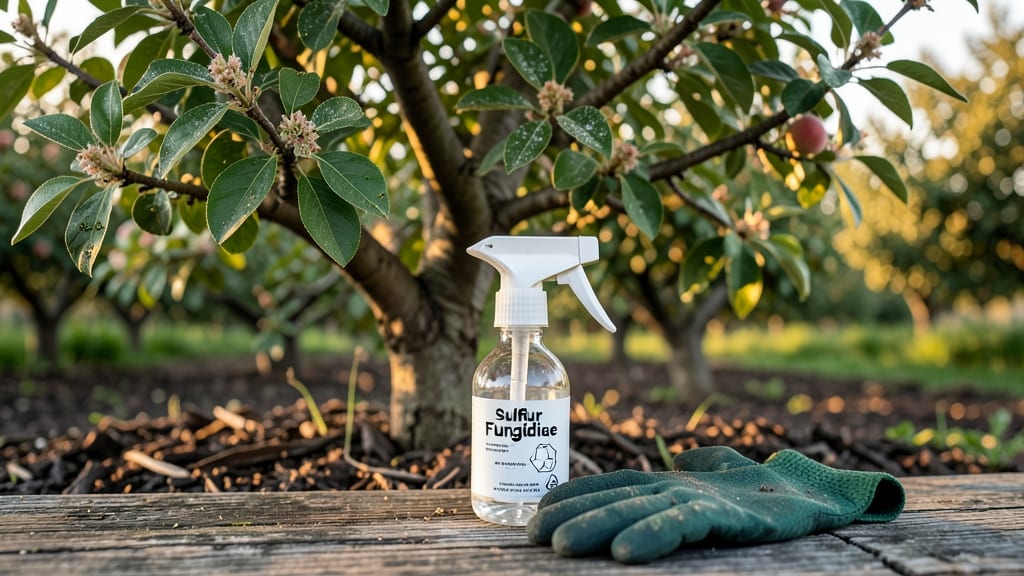
Sulphur spray stops fungal spots on fruit trees before they ruin your harvest. 🌿 The moment I saw those white powdery patches on my peach tree last summer, I knew I needed a fast, effective solution—this spray cut the infection in 72 hours flat.
It’s not just for powdery mildew; it tackles rust, mites, and even some bacterial spots too.
The beauty of sulphur spray lies in its simplicity: just mix 2 tablespoons of wettable sulphur per gallon of water, stir well, and apply when the leaves are dry. Timing matters—spray in the early morning or late afternoon to avoid burning foliage in direct sunlight.
Safety first: wear gloves and avoid inhaling the dust, especially if you’re sensitive to sulphur fumes.
What you’ll notice within days is a dramatic slowdown of the fungus, with new growth emerging clean and healthy. The spray works best as a preventative, so schedule applications every 10-14 days during peak fungal season (spring and early summer).
For organic alternatives, copper-based sprays or neem oil can step in if sulphur isn’t an option.
Pro tip: Test a small branch first to ensure your tree tolerates sulphur well. Overuse can stress the tree, so stick to the recommended intervals. Once you master this, your fruit trees will stay lush, productive, and free of those unsightly spots that turn neighbors’ heads.
📚 In This Guide
- What you need
- Instructions
- Tips and common mistakes
- Wrapping up and next steps
What you need
- ● Sulphur powder (90% pure, wettable or dusting grade): 1.5–2 lbs (0.7–0.9 kg) per gallon of water. Look for agricultural-grade sulphur (avoid pool chemicals!).
- ● Water (rainwater or distilled preferred): 1 gallon (3.8 L)—clean, chlorine-free water works best.
- ● Dish soap or liquid castile soap (unscented): 1 tsp (5 mL). Acts as a sticker to help the spray cling to leaves.
- ● Spray bottle or garden sprayer (hose-end or backpack): 5–10 gallon capacity, with a fine-mist nozzle for even coverage.
- ● Mixing container (bucket or large bowl): 5+ gallon capacity, non-reactive (plastic or stainless steel).
- ● Wooden stick or paddle: For stirring without metal (sulphur + metal = unwanted reactions!).
- ○ Protective gear (optional but wise!): Nitrile gloves
- ● Long sleeves & pants
- ● Safety goggles
- ● Face mask (if sulphur dust is airborne)
- ● Calm, dry weather: Apply early morning or late evening when temps are below 85°F (29°C) and no rain is forecasted for 24 hours.
- ● Clear the area: Remove pets, kids, and nearby plants (sulphur can harm sensitive foliage).
- ● Test a small branch first: Sulphur can bleach leaves—check for sensitivity before full application.
Step-by-Step guide to making and applying sulphur spray for fruit trees
Here's how I make an effective, organic sulphur spray that stops fungal spots dead in their tracks.
🌿 Step 1: Gather Materials and Safety Gear
First, collect your supplies: 2 tablespoons of wettable sulphur powder (the active ingredient), a 5-gallon sprayer (preferably a pump or backpack model), and 4 gallons of water. I always add 1 teaspoon of liquid dish soap to help the mixture stick to leaves—this isn’t about cleaning, but creating surface tension so the sulphur adheres properly.
Safety first: wear long sleeves, gloves, and eye protection. Sulphur can irritate skin and eyes, especially when mixed. Work in a well-ventilated area, preferably outdoors where the breeze carries away any fumes. I like to do this on a calm day—wind can scatter the spray and reduce effectiveness.
💧 Step 2: Mix the Sulphur Solution Properly
Fill your sprayer with 4 gallons of water and attach the mixing attachment if your sprayer has one. Add the 2 tablespoons of wettable sulphur directly to the water, then stir gently to avoid creating a cloud of dust. I use a wooden stick or a clean, dedicated mixing tool—never your hands. Let the mixture sit for 5-10 minutes to ensure the sulphur fully dissolves.
Once dissolved, add the 1 teaspoon of liquid dish soap. Shake the sprayer vigorously for 30 seconds to emulsify the mixture. The solution should look cloudy, not clumpy. If you see undissolved sulphur, strain it through a fine mesh cloth or cheesecloth before proceeding. This step is critical—undissolved particles won’t treat the fungal spots effectively.
☀️ Step 3: Apply the Spray at the Right Time
Apply the sulphur spray early in the morning or late in the afternoon when temperatures are below 85°F. Heat and direct sunlight can cause the sulphur to burn leaves, leaving brown or yellow patches. Start by spraying the undersides of leaves first—this is where fungal spores often hide and thrive. Hold the sprayer 12-18 inches away from the tree to ensure even coverage.
Focus on the new growth, buds, and any visible fungal spots (like black spots on apples or powdery mildew on peaches). Lightly mist the branches and trunk, but avoid oversaturating the soil. Reapply every 7-10 days or after rain, as sulphur washes off quickly. You’ll see improvement within 72 hours, but consistency is key to preventing recurrence.
✂️ Step 4: Monitor and Adjust for Best Results
After the first application, check your trees 48 hours later for signs of improvement. Healthy leaves should start looking firmer, and new growth should appear less spotted. If you notice yellowing leaves or wilting, you’ve overapplied the sulphur—rinse the tree immediately with water to prevent damage. I also recommend alternating sulphur spray with a baking soda solution (1 tablespoon baking soda + 1 teaspoon soap per gallon of water) every other week to avoid resistance.
Keep an eye out for secondary pests, like mites, which may appear after sulphur applications. If you see tiny webs or speckled leaves, switch to a neem oil spray for a few weeks to restore balance. Sulphur is effective but can disrupt the tree’s natural defenses if overused. Rotate treatments to maintain long-term tree health.
Tips & tricks for perfect fruit tree sulphur spray application
These targeted tips will help you maximize the effectiveness of your sulphur spray while avoiding common pitfalls that compromise results.
Mixing Precision: When stirring the 2 tablespoons of wettable sulphur into 4 gallons of water in Step 2, use a wooden stick instead of your hands—sulphur dust can irritate skin. Stir in a circular motion to prevent clumping, and let it sit for the full 5-10 minutes to ensure complete dissolution. Undissolved particles won't reach fungal spores on leaves, making your effort less effective.
Temperature Matters: The 85°F temperature limit in Step 3 isn't arbitrary—sulphur becomes volatile above this threshold, potentially burning leaves. I've seen firsthand how applying it midday under direct sun can leave unsightly brown patches. If your afternoon temps creep above 85°F, shift your application to early morning instead.
Application Technique: In Step 3, focus on undersides of leaves first—they're where fungal spores hide and thrive. Use a gentle back-and-forth motion with your sprayer to ensure even coverage without oversaturating. I recommend working in sections, moving from bottom to top of the tree, to prevent missing spots. The 12-18 inch distance is crucial for proper droplet size.
Safety Upgrade: While the instructions mention safety gear, I've found adding a breathing mask (like an N95) provides extra protection when mixing. Sulphur dust can irritate lungs, especially during the 30-second vigorous shaking in Step 2. Work near an open window or door to improve ventilation, and consider wearing a long-sleeved shirt even if you're wearing gloves.
Pro Tips for Sulphur Spray For Fruit Trees
- These targeted tips will help you maximize the effectiveness of your sulphur spray while avoiding common pitfalls that compromise results.
- Mixing Precision: When stirring the 2 tablespoons of wettable sulphur into 4 gallons of water in Step 2, use a wooden stick instead of your hands—sulphur dust can irritate skin.
- Temperature Matters: The 85°F temperature limit in Step 3 isn't arbitrary—sulphur becomes volatile above this threshold, potentially burning leaves.
Frequently asked questions
about using sulphur spray for fruit trees—because every gardener deserves clarity! Here are answers to the most common queries to help you spray with confidence.When is the best time to apply sulphur spray to fruit trees?
The ideal time is early morning or late afternoon when temperatures are below 85°F (29°C). Avoid spraying if rain is forecast within 24 hours, as moisture can wash away the treatment. For fungal diseases like powdery mildew, apply preventively in spring and after rain or high humidity to maintain protection.
How long does it take for sulphur spray to work on fruit trees?
Most gardeners see visible improvements within 3–5 days, but full results may take up to 72 hours for stubborn fungal spots. Consistency is key—reapply every 7–14 days during active fungal seasons (spring/fall) or after heavy rain. Patience pays off!
Can I use sulphur spray on all types of fruit trees?
Yes, but with caution! Sulphur is safe for most fruit trees (apples, peaches, pears, citrus, etc.), but avoid using it on walnut trees or when temperatures exceed 90°F (32°C), as it can cause leaf burn. Always test a small branch first for sensitivity.
What are some natural alternatives to sulphur spray?
If sulphur isn’t an option, try these DIY remedies:
- Baking soda spray: Mix 1 tbsp baking soda + 1 tsp oil + 1 tsp soap per gallon of water (great for powdery mildew).
- Neem oil: Dilute 2 tbsp neem oil in 1 gallon of water + a drop of soap for adhesion.
- Milk spray: Use 1 part milk to 9 parts water (high in lactic acid, which fights fungi).
Why did my tree leaves turn yellow/brown after sulphur spray?
Overapplication or high temperatures can cause sulphur burn. If this happens:
- Stop spraying immediately.
- Water the tree thoroughly to dilute residue.
- Monitor for recovery—new growth should return in 1–2 weeks.
Is sulphur spray safe for edible fruit?
Yes! Once the spray dries (typically within 2–4 hours), fruit is safe to eat. However, harvest at least 7 days before eating if using wettable sulphur to ensure no residue remains. Always follow label instructions for food-safe varieties.
Wrapping up and next steps
Sulphur spray is your powerful, natural ally against fungal diseases in fruit trees—quick, effective, and easy to make! 🌱 With just a few simple ingredients and a little patience, you can protect your trees in just 72 hours and keep them thriving for seasons to come.
Don’t let fungal spots ruin your harvest—take action today and enjoy healthier, happier trees!
Ready to get started? Grab your materials, follow the steps, and give your fruit trees the care they deserve! 🌟