
Shrubs
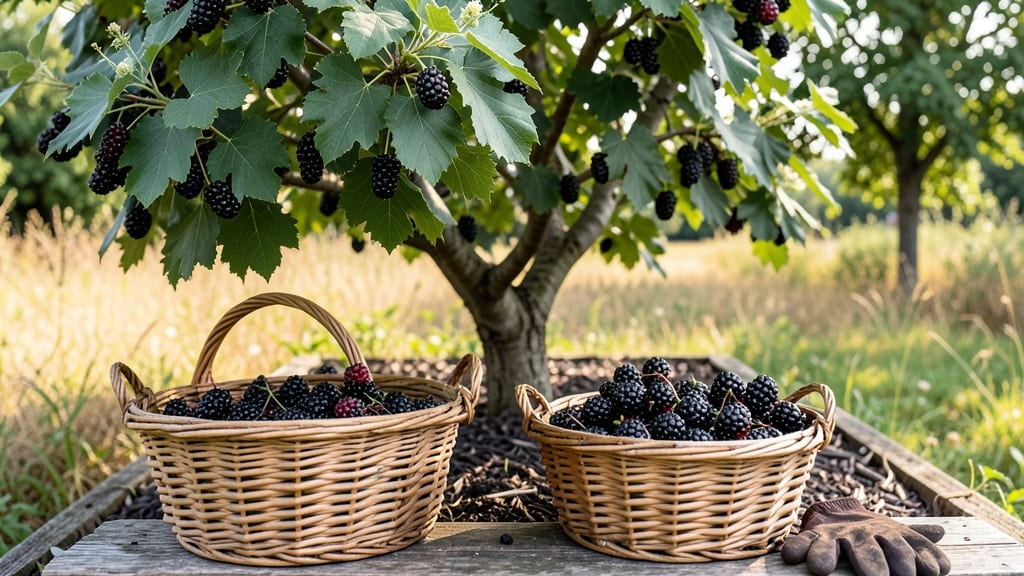
Growing small black fruits in containers lets you enjoy tart-sweet berries even on a tiny balcony. 🌿 I’ve turned my patio into a blackcurrant powerhouse using just a few square feet—no yard required.
These fruits thrive in pots, producing harvests that rival full-size bushes, but with far less space and fewer pests. The secret lies in choosing the right variety (like ‘Consort’ blackcurrants or ‘Arapawa’ blackberries) and giving them 6+ hours of sun daily.
Well-draining soil mixed with compost keeps roots happy, while regular pruning after harvest ensures bushy growth. Even in small pots, these plants reward you with pounds of fruit per season if you keep them fed and watered consistently. What starts as a single container can become a year-round harvest system.
With the right care, you’ll pick ripe berries from late summer through fall, and some varieties even produce a second crop. The tart-sweet flavor freezes beautifully for smoothies or jams—no need to buy store-bought berries again. Best of all, container growing keeps pests like birds and deer at bay.
Whether you’re in an apartment or a small home, this method proves you don’t need acres to grow your own black fruit bounty.
Why Fruits Stay Tiny & Dark
If you’re growing small black fruit like blackberries, elderberries, or black currants—and they’re staying stubbornly tiny and dark instead of plump and vibrant—don’t panic. Several key factors can stifle growth and color development.
Understanding these causes helps you take corrective action fast. Here’s why your harvest might be underperforming, broken down into actionable science-backed reasons.
Some small black fruit varieties are self-pollinating, but many (like blackcurrants or elderberries) need cross-pollination from another plant to set fruit properly. If your shrubs are isolated or lack compatible neighbors, flowers may drop early, leaving tiny, underdeveloped berries.
- 🔍 Signs: Most berries are <1 inch, shriveled, or remain hard and black instead of soft and glossy.
- ⚠️ Fix:
- Plant two or more compatible varieties (e.g., ‘Consort’ and ‘Titan’ blackcurrants).
- Hand-pollinate with a soft paintbrush if bees are scarce (early spring/late fall).
- Attract pollinators with native flowering plants (e.g., lavender, borage, or clover) nearby.
Pro Tip: 💡 Test for pollination success by gently shaking a branch over white paper—if no pollen dust appears, your plants aren’t transferring pollen effectively.
Black fruit thrives in full sun (6–8+ hours daily), but shade or cool temperatures slow sugar production and cell expansion. Without enough light, berries stay small, dark, and mealy.
| Symptom | Root Cause | Solution |
|---|---|---|
| Berries <1 inch, dull color | Less than 6 hours of sun | Move container to sunnier spot or prune nearby trees/shrubs blocking light. |
| Slow ripening (takes 2+ weeks longer) | Night temps below 50°F (10°C) | Use row covers or a mini greenhouse for early/late seasons. |
Pro Tip: 🌡️ Monitor soil temp—if it’s <55°F (13°C) or cooler, roots struggle to absorb nutrients, directly impacting fruit size.
Black fruit is thirsty but sensitive: too little water = shrunken berries; too much = root rot and nutrient lockout. Both extremes stunt growth.
- 🔥 Underwatering:
- Soil dries out completely between waterings.
- Leaves curl, berries harden and split prematurely.
- 🌊 Overwatering:
- Yellowing leaves, mushy berries, or mold on stems.
- Roots suffocate in soggy soil (common in containers).
⚠️ Fix: Water deeply 1–2 times per week (check soil 2 inches down—it should feel moist but not soggy). Use drip irrigation or self-watering containers to maintain consistency.
Pro Tip: 🎯 Mulch with straw to retain moisture and prevent soil temp swings, which stress plants.
Black fruit needs a balanced diet, but deficiencies in key nutrients lead to stunted growth and poor color. Here’s what to watch for:
| Missing Nutrient | Visual Clues | Quick Fix |
|---|---|---|
| Nitrogen (N) | Pale yellow leaves, slow growth, tiny berries | Apply balanced fertilizer (10-10-10) at half-strength in early spring. |
| Phosphorus (P) | Dark green leaves, no fruit set, or berries stay hard | Use bone meal or a phosphorus-rich fertilizer (like 5-10-10) at flowering. |
| Potassium (K) | Weak stems, berries split or stay black/dull | Add greensand or wood ash (sprinkle lightly around roots). |
| Magnesium (Mg) | Yellow patches between leaf veins | Spray Epsom salt solution (1 tbsp/gallon) every 2 weeks. |
Pro Tip: ✨ Test soil pH—black fruit prefers 6.0–6.5. If your soil is <5.5 or >7.0, nutrients like iron and manganese become unavailable, worsening deficiencies.
Root-bound shrubs compete for resources, diverting energy from fruit production. If your container is too small or lacks drainage, roots suffocate, leading to tiny, dark berries.
- 🔍 Signs:
- Roots circling the pot’s bottom.
- Stunted new growth (no fresh canes).
- Berries form but never ripen fully.
- ⚠️ Fix:
- Upgrade to a 5-gallon+ container (minimum 18" deep for mature shrubs).
- Repot every 2–3 years with fresh well-draining soil (mix potting soil + perlite).
- Prune 1/3 of oldest canes annually to encourage new root growth.
Pro Tip: 💡 Check drainage holes—if they’re clogged, roots rot, and the plant can’t absorb water/nutrients efficiently.
Hidden pests (e.g., spider mites, aphids) or fungal diseases (like powdery mildew) sap energy meant for fruit development. Infestations often go unnoticed until berries are already stunted.
| Pest/Disease |
Fixing Common Blackberry IssuesEncountering small black fruit on your container-grown blackberries? Don’t worry—this is often a fixable issue with the right approach. Below, we’ve mapped common causes to practical solutions, including prevention tips to keep your harvest thriving year-round. If your blackberries are tiny and underdeveloped, pollination might be the culprit. Blackberries rely on bees, wind, or even gentle shaking to transfer pollen. Here’s how to improve it: - 🐝 Attract Pollinators: Plant bee-friendly flowers (like lavender or sunflowers) nearby. Avoid pesticides, especially during blooming season. - 🤲 Hand-Pollinate: On cloudy or windless days, use a soft paintbrush to transfer pollen between flowers. Do this in the morning when blooms are fresh. - 🌬️ Shake Gently: If growing in containers, lightly shake the plant during peak blooming (early spring) to encourage pollen spread.💡 Prevention Tip: Choose self-pollinating varieties (like ‘Arapaho’ or ‘Natchez’) if your garden lacks natural pollinators. Blackberries need 6–8 hours of direct sunlight daily to produce large, flavorful fruit. Shady spots lead to stunted growth and small berries. - 🔥 Relocate Containers: Move pots to sunnier spots, even if it means rotating them seasonally to follow the sun’s path. - 🌿 Trim Overhanging Foliage: Prune nearby trees or shrubs blocking sunlight. - 💡 Use Reflective Surfaces: Place white reflective mulch or mirrors near containers to bounce extra light onto leaves.✨ Pro Tip: If sunlight is limited, supplement with a grow light for 12–14 hours/day during short winter days. Overwatering or drought stress can shrink fruit size. Blackberries need consistent moisture but hate soggy roots. - 👨🍳 Deep Watering: Water at the base (not overhead) for 1–2 inches per week, adjusting for heat. Use a moisture meter to check soil. - 🌡️ Mulch Like a Pro: Apply 2–3 inches of organic mulch (straw or wood chips) to retain moisture and regulate temperature. - 🚰 Drainage Check: Ensure containers have drainage holes. Repot if roots sit in water.🔥 Warning: Avoid wetting leaves to prevent fungal diseases like botrytis, which can further stunt fruit. Small fruit often signals a lack of key nutrients. Blackberries are heavy feeders, especially during fruiting.
💡 Prevention Tip: Test soil pH (ideal: 5.5–6.5). Adjust with sulfur (to lower pH) or lime (to raise it). Over-pruning or poor timing can stress plants, leading to small fruit. Follow these rules:
⏰ Timing Matters: Never prune during fruiting season—this diverts energy away from berry development. With these fixes, your container-grown blackberries should rebound with plump, juicy fruit in no time. 🎯 Remember: Consistency is key—monitor sunlight, water, and nutrients regularly to keep your harvest thriving! Frequently asked questions
1
Which small black fruits are easiest to grow in containers?Blackcurrants ('Consort' variety) and 'Arapaho' blackberries thrive in pots with 5+ gallons of space. Mulberries ('Illinois Everbearing') are also container-friendly and produce 2 harvests per year. All three tolerate urban conditions well and need minimal pruning.
2
How do I know when small black fruits are truly ripe?Ripe blackberries and currants should be deep black, slightly soft to gentle pressure, and easily detach from the stem. Mulberries ripen when they're plump and glossy, often splitting open slightly. Check flavor by tasting one berry—ripe ones are tart-sweet, not overly sour.
3
Can I grow small black fruits in partial shade?Most varieties need 6+ hours of sun daily for optimal fruit size. In partial shade, expect smaller berries and lower yields. If you must grow in shade, choose 'Natchez' blackberries (tolerates 4-5 hours of sun) or use grow lights for 12-14 hours/day during fruiting season.
4
What's the best way to store harvested small black fruits?Store unwashed berries in a single layer on a paper towel-lined tray in the fridge for 3-5 days. For longer storage, freeze them on a baking sheet first (prevents clumping), then transfer to airtight containers. Blackcurrants and mulberries freeze beautifully for smoothies or baking.
5
Why are my blackcurrants producing tiny berries?This usually indicates poor pollination or nutrient deficiency. Try hand-pollinating with a paintbrush or planting a second compatible variety nearby. Check for yellow leaves (nitrogen deficiency) or purple stems (phosphorus deficiency)—apply balanced fertilizer or bone meal respectively. Root-bound plants also produce small fruit. |
|---|