
Propagation
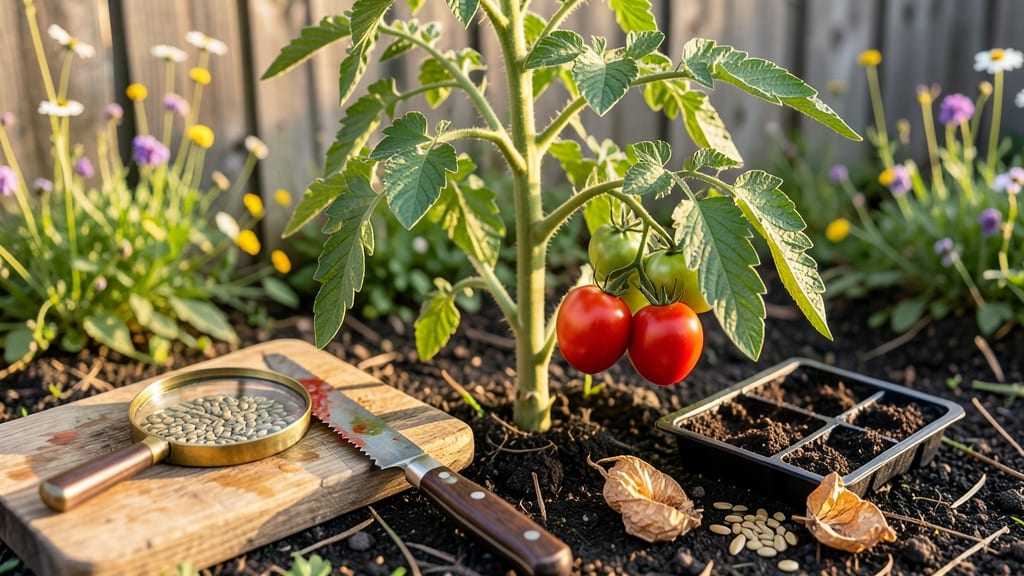
Fast-growing seeds with fruit produce edible harvests in as little as 45–60 days, with varieties like cherry tomatoes, bush beans, and cantaloupe sprouting within 5–10 days under ideal conditions. Prioritize quick-maturing hybrids for the fastest results.
If you're eager to see edible fruit from your garden, these fast-maturing varieties are your best bet. 🌱 The secret lies in their genetics—many were bred to thrive in warm climates where growth cycles accelerate, cutting the time from seed to harvest by nearly half compared to traditional varieties.
For instance, 'Sugar Snap' peas can produce pods in just 55 days, while 'Black Beauty' eggplants deliver fruit in about 60 days, making them perfect for impatient gardeners or short growing seasons.
The key is planting at the right time—typically after the last frost when soil temperatures consistently stay above 60°F—and providing consistent moisture to encourage rapid root development.
What sets these seeds apart isn't just speed, but also their adaptability. Many perform well in containers, making them ideal for balconies or small spaces. 🌿 For example, cherry tomatoes like 'Sweet 100' can thrive in 5-gallon pots, while bush beans like 'Blue Lake' need minimal space and produce continuously.
The trade-off? Some may sacrifice size or flavor depth compared to heirloom varieties, but the reward is a quicker, more reliable harvest—perfect for beginners or those with limited growing time.
💡 In This Article
- Why Fast-Growing Fruit Seeds Thrive in Warm Climates
- Best Fast-Fruit Seed Varieties for Beginners
Why fast-growing fruit seeds thrive in warm climates
Warm climates supercharge fruit seed germination because heat triggers enzymes that break down seed coatings, allowing water to penetrate more quickly. At temperatures above 70°F, seeds like cantaloupe or cherry tomatoes can sprout in just 5-7 days—half the time needed in cooler conditions.
This is why tropical varieties dominate fast-growth charts: their genetic makeup evolved to capitalize on consistent warmth, with shallow root systems that absorb nutrients rapidly from topsoil.
The daylight cycle plays a hidden role too. Many fast-fruiting varieties are short-day plants, meaning they flower and fruit more quickly when exposed to 12-14 hours of daylight—typical of summer months.
For example, bush beans like 'Blue Lake' produce pods in 50-55 days when planted in warm regions, while the same variety might take 65+ days in cooler northern climates. The biological trigger? Longer daylight periods stimulate hormonal shifts that accelerate flowering.
Root development is another critical factor. Fast-growing fruit seeds often develop fibrous, shallow root systems that spread horizontally rather than growing deep. This adaptation allows them to access surface moisture and nutrients more efficiently, especially in well-draining soils.
For instance, cherry tomato varieties like 'Sweet 100' can establish sufficient root networks in just 2-3 weeks when planted in warm, loose soil, compared to 4-6 weeks for heirloom varieties.
Temperature also affects fruit ripening speed. Enzymes responsible for converting starches to sugars in fruit (like lycopene in tomatoes) work 2-3x faster at 80°F than at 60°F.
This is why cantaloupe planted in spring might take 70-80 days to mature, while summer plantings can produce ripe fruit in just 50-60 days. The trade-off? Fruit may be smaller but equally flavorful due to accelerated metabolic processes.
Humidity levels matter too. Tropical varieties thrive in 60-80% humidity, which keeps seed coatings pliable and prevents moisture loss during germination. In dry climates, you might need to mist seeds daily or use peat-based seed starters to mimic tropical growing conditions.
For example, eggplants like 'Black Beauty' germinate best when soil moisture stays above 70% during the first 10 days of growth.
Consider these climate comparisons for fast-growing seeds:
- Tropical varieties: Cantaloupe (50-60 days to fruit), bush beans (50-55 days), cherry tomatoes (55-60 days)
- Temperate varieties: Same crops may take 10-20% longer due to slower enzyme activity
- Cool-climate workarounds: Use black plastic mulch to raise soil temps by 5-10°F and extend growing season
What most gardeners overlook is how soil temperature (not air temperature) determines germination speed. Use a soil thermometer—seeds need 65-85°F soil temps to germinate optimally. Planting too early in cool soil can delay sprouting by 2-3 weeks, even if air temps are warm. 🌡️