
Pruning
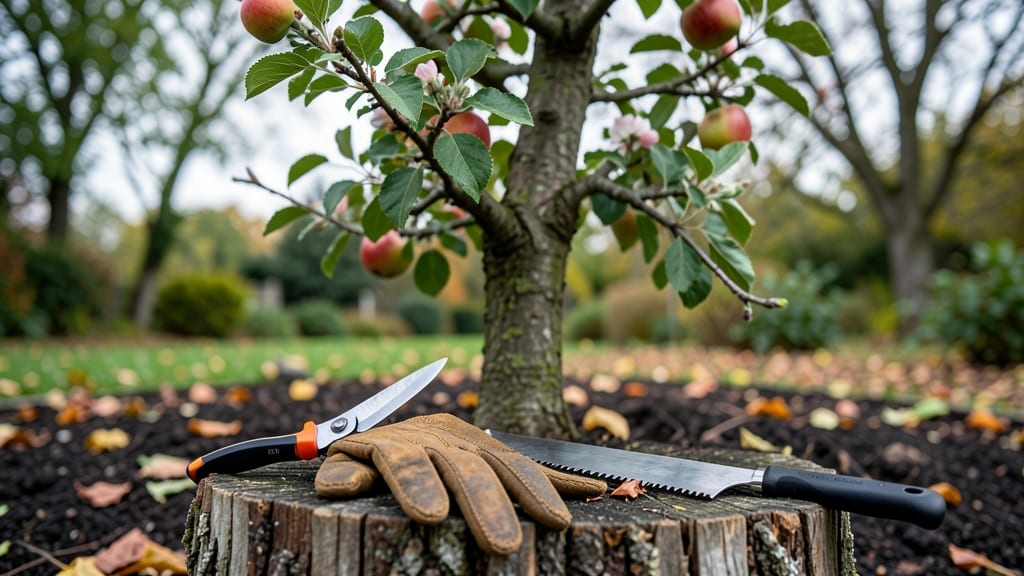
Pruning fruit trees isn't just about shaping branches—it's the secret to bigger harvests and healthier trees. 🌳 I've pruned everything from apple orchards to backyard peach trees, and the difference in fruit size and plant vigor is night and day once you get it right.
The key is timing, technique, and knowing which cuts to make (and which to avoid).
Most people prune once a year, but the best results come from three seasonal cuts: a light winter cleanup, spring growth control, and summer shaping. You'll need just three tools—pruners, loppers, and a saw—plus a sharp eye for dead wood and crossing branches.
The goal? More sunlight reaching the center, stronger branch structure, and less disease from overcrowded foliage.
By summer's end, you'll see the payoff: thicker fruit, fewer pests hiding in dense branches, and trees that look like they were grown by pros. Even my first attempt last year produced apples twice the size of neighbors' unpruned trees.
The best part? You can prune fruit trees at any age—from saplings to mature giants.
Whether you're dealing with apples, peaches, or citrus, the same principles apply. The only rule? Never prune more than 25% of the tree's canopy in one season, or you risk stressing the plant. Let's get those branches in shape!
The Hidden Triggers Behind Fruit Loss
Understanding why fruit trees drop or fail to develop properly starts with recognizing the biological and environmental stressors that disrupt their natural growth cycles. Pruning isn’t just about shaping—it’s a response to these underlying issues.
Let’s break down the key culprits, backed by science, so you can address them with precision.
Fruit trees thrive when sunlight, water, and nutrients are evenly distributed. But when branches grow too densely, shade and competition take over, leading to poor fruit set.
- Light Limitation: Dense foliage blocks sunlight, reducing photosynthesis—the process that fuels fruit development. Without enough energy, buds may abort or drop prematurely. - Nutrient Starvation: Roots can’t supply enough nutrients to every branch when the canopy is overgrown.
Weak branches produce small, underdeveloped fruit that falls early. - Airflow Issues: Poor circulation traps moisture, inviting fungal diseases (like powdery mildew) that weaken fruit and cause premature drop.
Actionable Fix: Prune to open the canopy, allowing 6-8 hours of direct sunlight to reach the center. Aim for a balanced structure where no branch overlaps another by more than 10%.
Fruit trees are sensitive to sudden temperature swings, drought, or frost, which can halt growth or trigger stress responses like fruit drop.
- Heat Stress: Temperatures above 90°F (32°C) can cause bud abortion in stone fruits (peaches, cherries) or blossom drop in citrus. High heat also increases respiration rates, depleting stored energy. - Cold Damage: Late frosts (<28°F/-2°C) kill blossoms, while early frosts can freeze developing fruit, causing it to blacken and fall.
Some trees (like apples) may also drop fruit to conserve energy during recovery. - Drought Shock: Even slight water stress (soil moisture <50% capacity) triggers abscission—the natural shedding of fruit—to prioritize root and leaf survival.
Actionable Fix:
- Mulch heavily (3-4 inches) to regulate soil temperature.
- Use shade cloth during heatwaves for young trees.
- Irrigate deeply (1-1.5 inches/week) but avoid overhead watering post-bloom to prevent fungal risks.
Invisible invaders like borers, aphids, and fungal pathogens can drain a tree’s resources, leading to weak fruit that drops prematurely.
| Pest/Disease | How It Causes Fruit Loss | Signs to Watch For |
|---|---|---|
| Aphids & Scale | Sap-sucking pests weaken trees, reducing photosynthesis. | Sticky honeydew, curled leaves. |
| Canker Bacteria | Blocks nutrient transport; infected branches drop fruit. | Sunken, oozing wounds on bark. |
| Coddling Moth | Larvae burrow into fruit, causing it to rot and fall. | Entry holes, brown frass inside fruit. |
| Root Rot | Fungal infection (e.g., Phytophthora) strangles roots, starving the canopy. | Wilting, yellowing leaves, mushrooms at base. |
Actionable Fix:
- Prune infected branches 6+ inches below visible damage (sterilize tools with 70% alcohol).
- Apply horticultural oil (for aphids) or copper fungicide (for canker) in early spring.
- Encourage beneficial insects (ladybugs, lacewings) with native plants.
Fruit trees need specific nutrients in the right ratios. Deficiencies or toxicities can stall growth and trigger fruit drop.
- Nitrogen Deficiency: Leads to small, sparse fruit and early drop.
Trees prioritize leaf growth over fruit when nitrogen is low. - Potassium Shortage: Weakens cell walls, making fruit prone to splitting or dropping (common in tomatoes and peaches). - Calcium Deficiency: Causes blossom end rot (in tomatoes) or watercore (in apples), where fruit becomes spongy and falls. - Soil pH Issues: Most fruit trees prefer 6.0–7.0 pH.
Acidic soil (<5.5) locks out phosphorus, while alkaline soil (>7.5) limits iron/manganese, leading to chlorosis (yellow leaves) and poor fruiting.
Actionable Fix:
- Test soil annually and amend with:
- Compost (for organic matter).
- Wood ash (to raise pH).
- Greensand (for potassium).
- Avoid over-fertilizing nitrogen post-bloom—shift to phosphorus/potassium (5-10-10) to support fruit development.
Pruning at the wrong time can disrupt the tree’s natural growth cycle, leading to stress and fruit loss.
- Late-Winter Pruning (Too Early): Removes buds before they’ve hardened off, inviting sap loss and disease.
Ideal timing is dormant season (just before buds swell). - Post-Bloom Heavy Pruning: Stress from major cuts after flowering can trigger abscission hormones, causing fruit to drop. - Over-Pruning: Removing >25% of the canopy in one session shocks the tree, diverting energy away from fruit.
Actionable Fix:
- Prune in stages: Light cuts in late winter (for structure) and summer (for thinning).
- Avoid topping (flat cuts)—opt for open-center or vase shapes for airflow.
- Thin fruit manually (if overloaded) by removing small or misshapen fruit to reduce competition.
Fixing Common Pruning Mistakes
Pruning fruit trees might seem straightforward, but even small errors can lead to poor yields, disease, or weakened growth. Below, we’ve mapped out the most common issues and practical, step-by-step fixes—plus prevention tips to keep your trees thriving year-round.
Cause: Cutting back more than 25% of the canopy in a single session or removing too many branches at once.
How to Fix It: 🔥 Assess the Damage – If your tree looks skeletal or has excessive bare branches, it’s likely over-pruned. Stop trimming immediately for 1–2 growing seasons to allow recovery.
🍳 Encourage New Growth – Apply a balanced fertilizer (10-10-10 or similar) in early spring to stimulate regrowth. Water deeply but avoid overwatering, which can stress the tree further.
👨🍳 Prioritize Structural Branches – Focus on scaffolding branches (main structural limbs) and water sprouts (fast-growing vertical shoots) to restore shape. Avoid removing large limbs unless absolutely necessary.
Prevention Tips: ✅ Follow the 25% Rule – Never prune more than 25% of the canopy in one season. ✅ Space Out Pruning – If heavy pruning is needed, split it over 2–3 years. ✅ Prune at the Right Time – Late winter/early spring (dormant season) is ideal for most fruit trees.
Cause: Using dull tools, cutting too close to the trunk, or leaving stubs that invite disease.
How to Fix It: 🔪 Clean Up Old Cuts – If you’ve left ragged edges, use sterilized pruning shears to make clean, angled cuts just outside the branch collar (the swollen area where the branch meets the trunk).
🥘 Seal Large Wounds (If Needed) – For cuts larger than ½ inch, apply pruning sealant (like Tanglefoot Tree Wound Pruning Seal) to prevent decay. Skip this for small cuts—air drying is better!
⏰ Time It Right – If you pruned at the wrong time (e.g., mid-summer), wait until dormancy before making adjustments.
Prevention Tips: ✅ Use Sharp, Clean Tools – Dull blades tear bark, inviting pests and disease. ✅ Cut at the Branch Collar – Never leave stubs; always cut just outside the collar for faster healing. ✅ Sterilize Tools Between Cuts – Wipe blades with rubbing alcohol to prevent spreading bacteria.
Cause: Improper cuts or damaged bark create entry points for fungus, bacteria, or pests.
How to Fix It: 🌡️ Inspect for Signs of Infection – Look for oozing sap, discolored wood, or fungal growth (like powdery mildew). If present, remove infected branches immediately and dispose of them in the trash (not compost).
💡 Apply Fungicide (If Needed) – For fire blight, anthracnose, or other fungal issues, spray with a copper-based fungicide (like Bordeaux mixture) or neem oil after pruning.
🎯 Strengthen Tree Health – Thin fruit (if overloaded) to reduce stress and improve airflow. Mulch around the base with wood chips (not fresh sawdust) to retain moisture and deter pests.
Prevention Tips: ✅ Prune During Dry Weather – Avoid pruning when rain is forecasted to reduce fungal risk. ✅ Remove Infected Branches First – Always prune diseased wood last and sterilize tools between cuts. ✅ Encourage Airflow – Thin out overcrowded branches to prevent humidity buildup.
Cause: Improper pruning (e.g., removing too many fruit-bearing branches) or overcrowding.
How to Fix It: 🍎 Balance Fruit & Foliage – Aim for 1:3 ratio (1 fruit cluster per 3 leaves). If your tree is leafy but fruitless, it may need selective thinning of non-fruiting shoots.
💪 Fertilize Strategically – Use a fruit-tree-specific fertilizer (high in potassium and phosphorus) to boost flowering and fruiting. Avoid too much nitrogen, which promotes leafy growth at the expense of fruit.
🌿 Train Young Trees Properly – For newly planted trees, focus on open-center or central leader shapes to maximize sunlight exposure.
Prevention Tips: ✅ Prune for Light Penetration – Remove suckers, water sprouts, and crossing branches to ensure sunlight reaches the center. ✅ Thin Fruit Early – Remove excessive fruit clusters in early summer to prevent overburdening the tree. ✅ Monitor Growth Habits – If a tree consistently produces poorly, it may need rejuvenation pruning (heavy pruning in stages over 2–3 years).
Final Pro Tip: 🌟 Keep a Pruning Journal! Note which cuts worked best, when you pruned, and how the tree responded. Over time, you’ll develop a customized pruning schedule tailored to your tree’s needs.
Frequently asked questions about pruning fruit trees
When is the best time to prune my fruit tree?
For most fruit trees, late winter or early spring (just before buds swell) is ideal. This gives the tree time to heal before summer heat. Citrus trees prefer summer pruning (after harvest) to avoid frost damage. Always avoid pruning when the tree is flowering or bearing heavy fruit, as this stresses the plant.
What tools do I need for proper pruning?
Start with bypass pruners for small branches, loppers for thicker stems, and a pruning saw for large limbs. Don't forget rubbing alcohol to sterilize tools between cuts and sharpener to keep blades clean. A measuring tape helps track branch length for balanced cuts.
How do I know if I'm pruning too much?
Never remove more than 25% of the canopy in one season. If your tree looks bare or has excessive deadwood after pruning, you've gone too far. Look for new growth within 2-3 weeks—if you don't see buds forming, the cuts were too severe. Always prioritize structural branches over cosmetic shaping.
Should I seal pruning wounds?
Only seal wounds larger than ½ inch with pruning sealant. For smaller cuts, let them air-dry naturally—sealant can trap moisture and promote rot. If you must seal, use Tanglefoot Tree Wound Pruning Seal and apply it only to the outer edge of the cut, never the center.
How can I tell if my fruit tree needs pruning?
Watch for crossing branches, deadwood, or water sprouts (fast-growing vertical shoots). If sunlight can't reach the center of the tree or you see small, sparse fruit, it's time to prune. Also check for diseased branches (oozing sap, discolored wood) that should be removed immediately.