
Fertilization
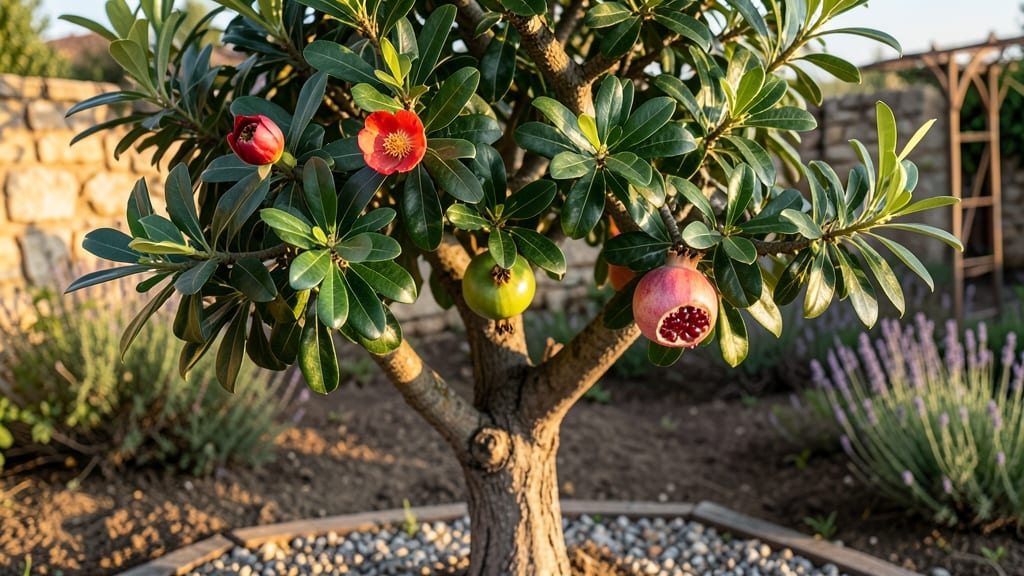
Recognizing pomegranate fruit stages transforms your harvest from "maybe" to "bountiful." 🌸 From delicate blossoms to ruby jewels, each phase needs specific care—and missing one means fewer fruits.
I’ve tracked every stage for years, and the difference between a sparse harvest and armfuls of fruit comes down to knowing exactly what to watch for and when.
The journey starts with those stunning red flowers in late spring, but true fruit set happens 4-6 weeks later when tiny green arils form. Prune suckers now to direct energy upward, and watch for yellowing leaves—a sign of stress or overwatering.
By midsummer, fruits swell like tiny lanterns, turning from green to deep red. That’s when you’ll see the first cracking—a good sign if it’s just the skin splitting, not oozing sap. By early fall, mature fruits feel heavy in your hand, their skins hardening like leather.
That’s when you’ll hear the satisfying thud of ripe pomegranates hitting the ground. Harvest before frost, or the fruit will split open prematurely. The real reward? Cutting one open to find hundreds of juicy arils—nature’s candy—waiting to be enjoyed. This timeline works for both backyard trees and container-grown pomegranates.
The key is patience: rush the process, and you’ll end up with small, seedy fruits. Let nature take its course, and you’ll have a harvest that rivals the grocery store’s best."
📚 In This Guide
- What you need
- Instructions
- Tips and common mistakes
- Wrapping up and next steps
What you need
- ● Pomegranate plants: 1-3 mature trees (or grafted cuttings) for optimal cross-pollination. Choose cold-hardy varieties like Wonderful or Eversweet.
- ● Pruning shears: Bypass pruners (sharp, 6-8" blades) for trimming dead blooms or excess growth.
- ○ Pollination aids (optional but helpful): Soft paintbrush or cotton swab (to manually transfer pollen if bees are scarce).
- ● Bee-friendly plants (e.g., lavender, marigolds) nearby to attract pollinators.
- ● Fertilizer: Balanced 10-10-10 (1 tbsp per sq ft, applied 3x/year: early spring, summer, and fall).
- ● Citrus/pomegranate-specific fertilizer (follow label rates for micronutrients like zinc and iron).
- ● Watering supplies: Drip irrigation kit or soaker hose (to keep soil consistently moist but not soggy).
- ○ Rain gauge (optional, for tracking water needs during dry spells).
- ● Harvesting tools: Sharp knife or pruning shears (for cutting stems with 2-3 inches of leftover stalk).
- ● Glove (to protect hands from thorns and juice stains!).
- ● Climate: Pomegranates thrive in USDA Zones 7-11 with full sun (6+ hours/day).
- ● Soil: Well-draining, slightly acidic (pH 5.5–7.0), and rich in organic matter (amend with compost if needed).
- ● Spacing: Plant trees 12–15 feet apart to allow airflow and sunlight penetration.
- ● Patience: From bloom to harvest, expect 5–7 months (varies by variety and climate).
- ● 🔥 Test your soil 2 weeks before planting to adjust nutrients.
- ● ✨ Mulch with wood chips (2–3 inches) to retain moisture and deter weeds.
- ● 🌡️ Monitor temps: Pomegranates hate frost—cover young trees if temps drop below 25°F.
Step-by-Step guide to identifying pomegranate fruit stages
Watch your pomegranate tree transform from blossoms to harvest-ready fruit with these clear visual cues.
🌱 Step 1: Recognize the Flowering Stage
Pomegranate flowers appear in late spring, with bright red blooms that last about 2 weeks. Each flower has 5-6 petals and a striking crimson hue. The tree produces both male and female flowers—female flowers have a small green ovary at their base, while male flowers have a bulbous center. You'll know pollination has occurred when the ovary begins swelling into a small, round fruit.
Here's the thing—pomegranates are self-pollinating, but bees help ensure better fruit set. If your tree has few flowers, hand-pollinate by gently brushing stamens with a soft brush. Watch for tiny green fruits forming within 4-6 weeks after flowering—this marks the transition to the fruit development stage.
☀️ Step 2: Monitor Fruit Development
After pollination, the fruit grows rapidly, turning from green to yellow-green by mid-summer. At this stage, the fruit resembles a small, leathery ball about 1-2 inches in diameter. You'll notice calyx lobes (the flower's dried remnants) at the top—these remain throughout development. The skin hardens slightly as the fruit matures, but it stays somewhat pliable until late summer.
Real talk: Birds love young pomegranates. Cover fruits with netting if birds are a problem in your area. By late July or early August, the fruit should reach 3-4 inches in diameter and develop a deep pink or reddish hue—this is your first visual cue that harvest is approaching.
🍇 Step 3: Assess Ripeness for Harvest
The final stage is the most exciting—harvest time! A ripe pomegranate has a deep red or burgundy skin with a slightly leathery texture. Gently squeeze the fruit—it should feel firm but not rock-hard. The calyx (flower remnants) at the top will dry out and curl slightly, signaling full maturity. If the skin cracks easily or the fruit feels soft, it's overripe and may split on the tree.
Harvest in late fall, typically between October and November, depending on your climate. Cut the fruit from the tree with 2-3 inches of stem attached—this helps preserve freshness. Store at room temperature for up to 2 weeks or refrigerate for 3-4 weeks to extend shelf life.
⏰ Step 4: Post-Harvest Handling
Once harvested, leave pomegranates at room temperature for 1-2 days to fully ripen if needed. To open, score the skin with a knife, then smash the fruit gently with a mallet or roll it on a counter. The arils (seeds) will pop out easily. Discard any fruit that feels mushy or fermented-smelling—this indicates spoilage.
I know it seems weird, but don’t wash pomegranates until you’re ready to eat them. The skin protects the delicate arils, and moisture speeds up spoilage. Store opened fruit in the fridge for up to 5 days, submerged in water to keep it fresh.
Tips & tricks for perfect pomegranate harvesting
Here's what nobody tells you about growing pomegranates—these tricks will help you maximize your yield and avoid common pitfalls.
Flowering Stage Insight: Pay close attention to the ovary development in Step 1. Female flowers will show a tiny green bump at their base within 2 weeks of blooming. This is your first sign that pollination has occurred—don't confuse it with the bulbous center of male flowers. If your tree has poor fruit set, try hand-pollinating by gently brushing stamens with a soft paintbrush during the 2-week flowering period.
Development Timeline: The 4-6 week window between pollination and visible fruit formation is critical. Mark your calendar when you first spot those tiny green fruits—this helps you track the 12-14 week total development time until harvest. In Step 2, when fruits reach 3-4 inches by late July, that's your first visual cue harvest is approaching. This is also when you should install bird netting if needed—birds can devour young fruits overnight.
Ripeness Assessment: In Step 3, the calyx drying and curling is your most reliable ripeness indicator. A ripe pomegranate should feel firm but yield slightly when gently squeezed—like a ripe avocado. If the skin cracks easily, harvest immediately to prevent splitting. The deep red or burgundy color is your final visual confirmation, but never rely on color alone without checking texture.
Post-Harvest Handling: That 1-2 day room temperature ripening period in Step 4 is crucial for optimal flavor. Store harvested pomegranates with their stems attached—this helps maintain moisture and prevents premature drying. The "don't wash until ready to eat" rule is non-negotiable—the skin's natural protective layer keeps arils fresh longer, and moisture speeds up spoilage dramatically.
Pro Tips for Pomegranate Fruit Stages
- Here's what nobody tells you about growing pomegranates—these tricks will help you maximize your yield and avoid common pitfalls.
- Flowering Stage Insight: Pay close attention to the ovary development in Step 1.
- Development Timeline: The 4-6 week window between pollination and visible fruit formation is critical.
Frequently asked questions
Got questions about pomegranate fruit stages? You’re not alone! Here are some of the most common queries—plus quick, actionable answers to help you navigate from bloom to harvest like a pro.
How long does it take for a pomegranate flower to turn into fruit?
After pollination, pomegranate flowers typically take 4–6 months to develop into mature fruit. Early stages (like the budding phase) appear 2–3 weeks post-flowering, while the fruit swells visibly by 8–12 weeks. Patience pays off—rushing harvests can leave you with underripe, tart fruit!
What’s the best way to tell if a pomegranate is fully ripe?
Look for these signs: deep red or pink skin (not green!), a slightly leathery texture, and a heavy feel for its size. Gently shake the fruit—if you hear seeds rattling inside, it’s ready! Avoid harvesting when the skin is still firm or the seeds feel mushy. Pro tip: A ripe pomegranate should yield slightly when pressed near the stem.
Can pomegranate flowers self-pollinate, or do I need to hand-pollinate?
Most pomegranate varieties are self-pollinating, but cross-pollination can boost yields. To help, use a soft brush or cotton swab to transfer pollen from one flower to another on mild, dry mornings. Avoid windy days—pollen disperses poorly when conditions are harsh. Bonus: Bees love pomegranate flowers, so healthy pollinator activity reduces your workload!
What happens if my pomegranate fruit doesn’t develop after flowering?
Several factors can stall fruit development: poor pollination, extreme heat/cold, nutrient deficiencies (like nitrogen or phosphorus), or pest damage. Check for dropped buds or shriveling flowers—these are red flags. Solutions? Hand-pollinate, mulch to regulate soil temps, and fertilize with citrus-specific blends. Try a foliar spray of seaweed extract to jumpstart growth!
Are there any alternatives if my pomegranate trees aren’t producing fruit?
If your tree is young (<3 years) or struggling, don’t panic! Try these fixes: prune for airflow (thin dense branches), ensure full sun (6+ hours/day), and water deeply but infrequently (drought stress can trigger flowering). For older trees, dormant-season pruning (late winter) can stimulate new growth. Last resort: Graft a new variety onto your tree—some cultivars (like ‘Wonderful’ or ‘Eversweet’) are more prolific!
Wrapping up and next steps
Understanding the pomegranate fruit stages—from bloom to harvest—is your secret weapon for a bountiful yield! 🌱 By recognizing key milestones like flowering, fruit set, and ripening, you’ll optimize care and timing for juicy, vibrant pomegranates. Whether you’re a seasoned grower or just starting, these insights ensure success.
Ready to crush your next harvest? Grab your notes, mark your calendar, and start observing your pomegranate trees today—your future fruit bowl will thank you! 🍇✨