
Companion Plants
Tired of fruit flies ruining your kitchen and produce? These ten natural plants act as powerful, chemical-free deterrents while adding beauty and fragrance to your home—no sprays or traps required.
Basil Plants for Culinary Pest Control
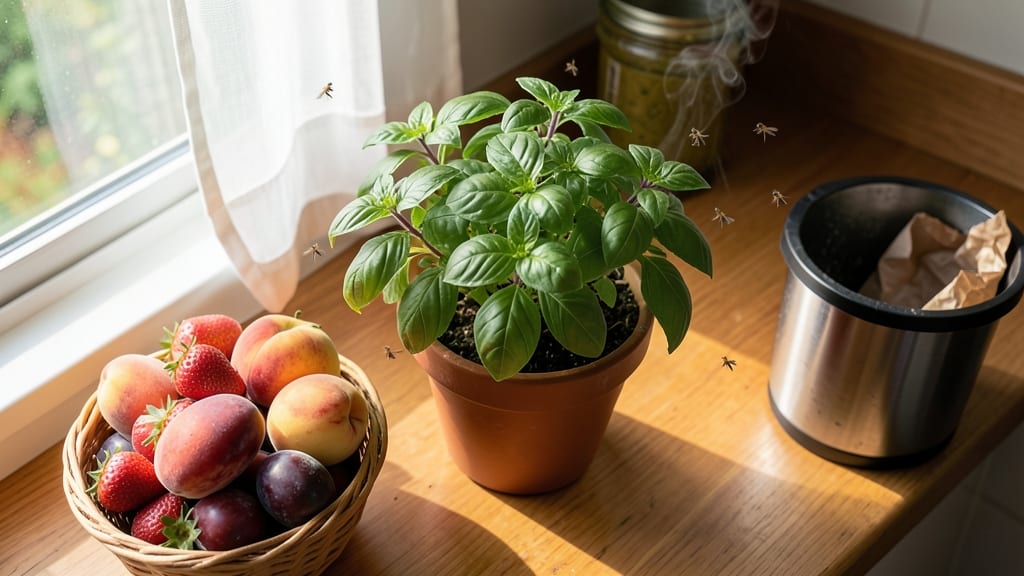
Fruit flies swarming your kitchen counters? Sweet basil isn’t just for pesto—its strong, anise-like scent naturally repels these pesky insects while adding fresh flavor to your cooking. Place a pot of basil near your fruit bowl, trash can, or windowsill to create a dual-purpose defense system that works 24/7.
For maximum fly-deterring power, grow Genovese basil (the classic Italian variety) in well-draining pots with 6 hours of sun daily. The more leaves you crush or brush against, the stronger the scent—and the more flies stay away. Urban gardeners love this herb because it thrives in small spaces, from sunny windowsills to balcony containers, making it the perfect kitchen ally.
Chefs and home gardeners alike benefit from this two-in-one solution: harvest fresh leaves for cooking while keeping your produce fly-free. The best part? You’ll never need to buy store-bought repellents again. 🌱
Citronella Grass for Outdoor Fly Defense
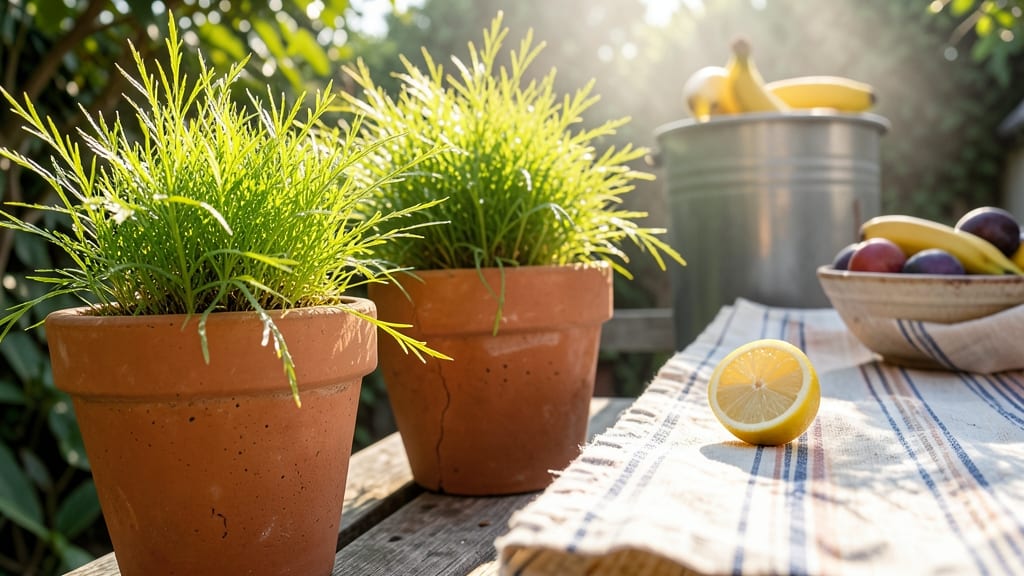
Tired of fruit flies buzzing around your outdoor gatherings or lingering near trash bins? Citronella grass isn’t just for mosquitoes—its bright, lemony scent also confuses and repels fruit flies naturally. Place pots near patios, balconies, or even fruit bowls to create a protective barrier without chemicals.
This tropical perennial thrives in full sun to partial shade and needs well-draining soil. For best results, grow it in containers (it spreads aggressively in gardens) and trim back leggy stems to encourage bushier growth. The stronger the fragrance, the more effective it is against flies—so crush a few leaves occasionally to release more oils.
Perfect for renters, small spaces, or anyone who loves outdoor dining without the pests. Just remember: the closer it is to your problem areas, the better it works! 🌻
Lavender Bushes for Fragrant Fly Repulsion
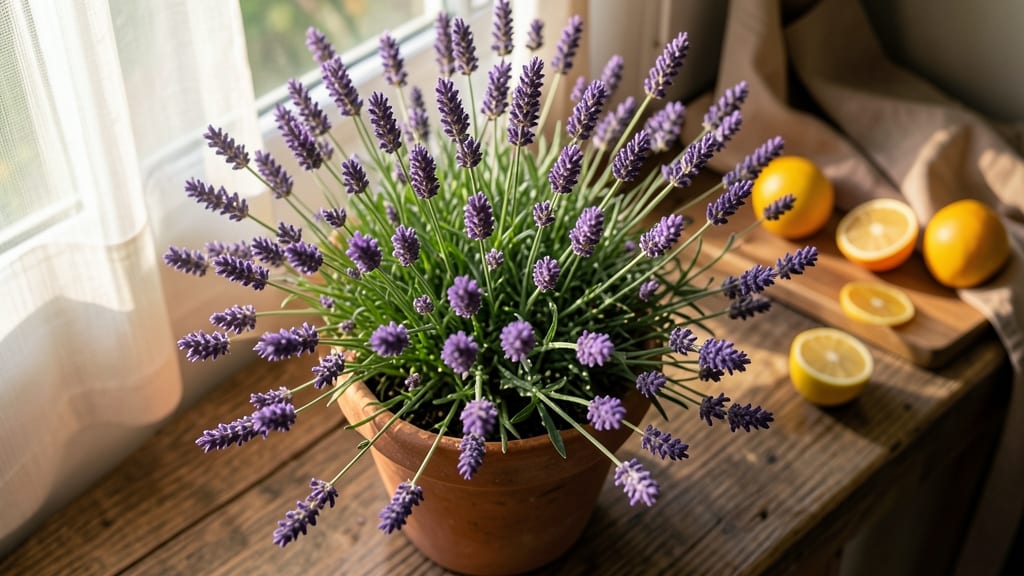
If you love the soothing scent of lavender but also want to keep fruit flies at bay, you’re in luck—this fragrant perennial doubles as a natural fly repellent. The purple blooms release linalool and linalyl acetate, two oils that flies find overwhelming and avoid. Unlike other deterrents, lavender adds beauty while working silently in the background.
Plant lavender in well-draining soil with full sun exposure (at least 6 hours daily) for maximum oil production. Its compact size makes it perfect for windowsills, hanging baskets, or garden borders near entry points where flies often linger. For extra fly control, crush a few leaves to release more essential oils—flies will steer clear instantly.
Urban gardeners and small-space growers will appreciate lavender’s versatility, as it thrives in containers and requires minimal maintenance. Plus, its calming aroma makes it a win-win for both pest control and relaxation. 🌿
Mint Plants for Strong Fly Deterrence

Need a fast-acting fruit fly deterrent that works in seconds? Mint is your secret weapon—its crushed leaves release menthol oils that flies despise, creating an invisible barrier around your kitchen or garden. Unlike other repellents, mint’s effect is immediate, making it ideal for those pesky flies that appear out of nowhere.
Plant mint in containers (not garden beds) to control its aggressive spreading—it’ll thrive in 6+ hours of sun or partial shade. For maximum impact, place pots near trash cans, fruit bowls, or open windows. You can also dry leaves and crush them into sachets for long-term protection in pantries or closets.
This is the perfect solution for urban gardeners or anyone with limited space—mint’s strong scent works indoors and out, while its fast growth means you’ll have fresh leaves ready in weeks. 💚
Rosemary Shrubs for Kitchen Fly Control
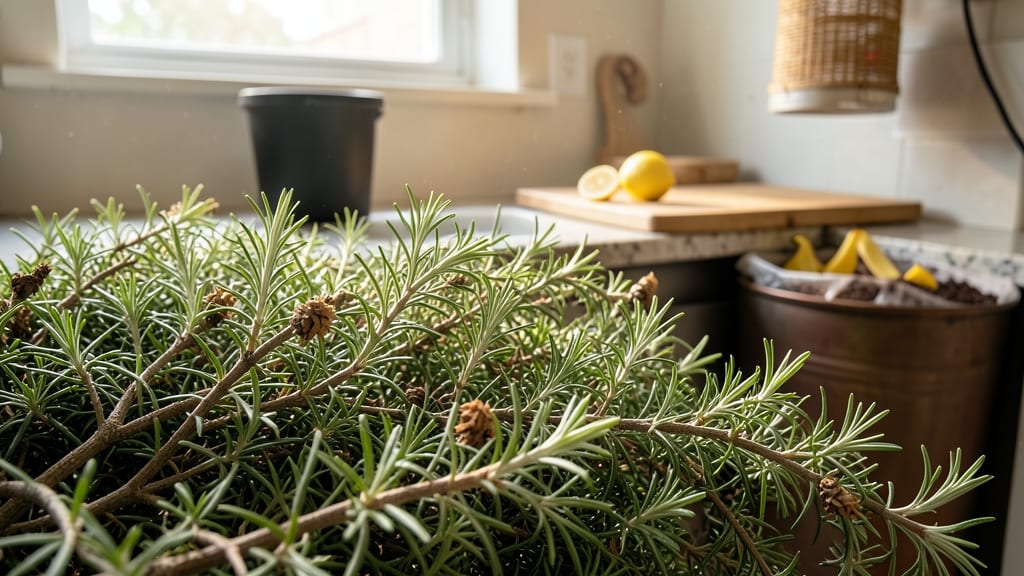
If your kitchen is a magnet for fruit flies, rosemary shrubs might be your secret weapon. Their rich, woody scent doesn’t just mask the fermenting odors that attract flies—it actively confuses their senses, making your trash cans and compost bins far less appealing.
This hardy perennial thrives in well-draining soil and needs only 6-8 hours of sun daily, making it perfect for hanging baskets near problem areas. Prune regularly to encourage dense growth, and you’ll get a dual-purpose plant: fresh rosemary for cooking and a fly-repelling powerhouse.
Urban gardeners and small-space growers will love rosemary’s versatility—it grows well in containers and even indoors near windows. Plus, its evergreen foliage adds year-round greenery to your pest-control strategy. 🌱
Thyme Plants for Subtle Fly Repulsion
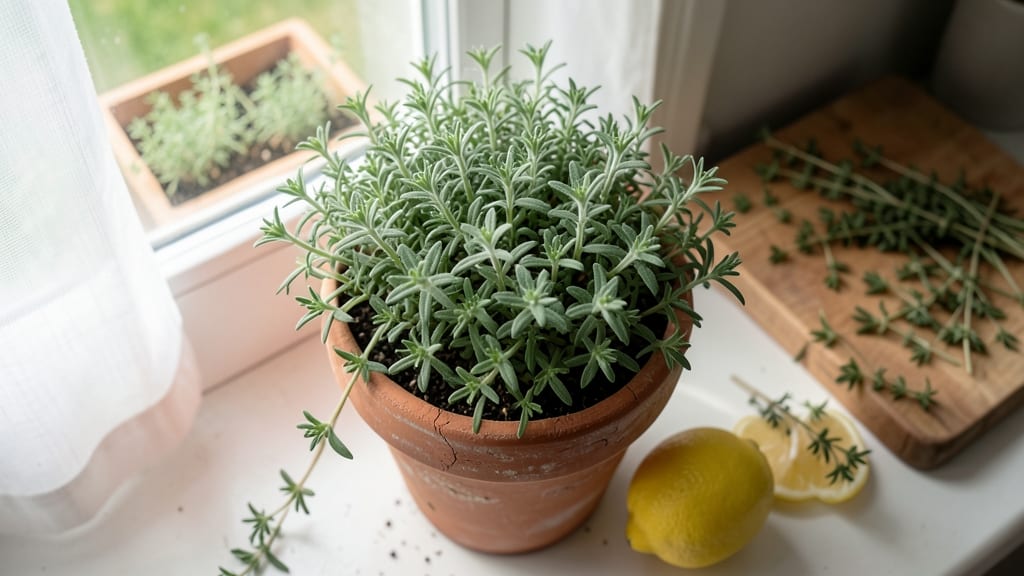
If you love the idea of pest control without the fuss, thyme is your quiet hero. This low-growing, earthy-scented herb naturally deters fruit flies without overwhelming your space—ideal for small gardens, rooftops, or even tucked into window boxes near fruit storage.
Thyme thrives in well-draining soil and only needs 4-6 hours of sunlight daily, making it perfect for urban balconies or sunny kitchen windows. Its subtle fragrance masks odors that attract flies, while its compact size (6-12 inches tall) fits seamlessly into containers or garden edges. For extra repulsion, gently crush a few leaves near problem areas to release more of its natural oils.
Urban gardeners and small-space growers will love thyme’s versatility—it’s drought-tolerant once established and doubles as a culinary herb. Plant it near your fruit bowls or compost bins for a low-maintenance solution that keeps flies away without sacrificing aesthetics. 💚
Lemon Balm for Citrus-Scented Fly Defense
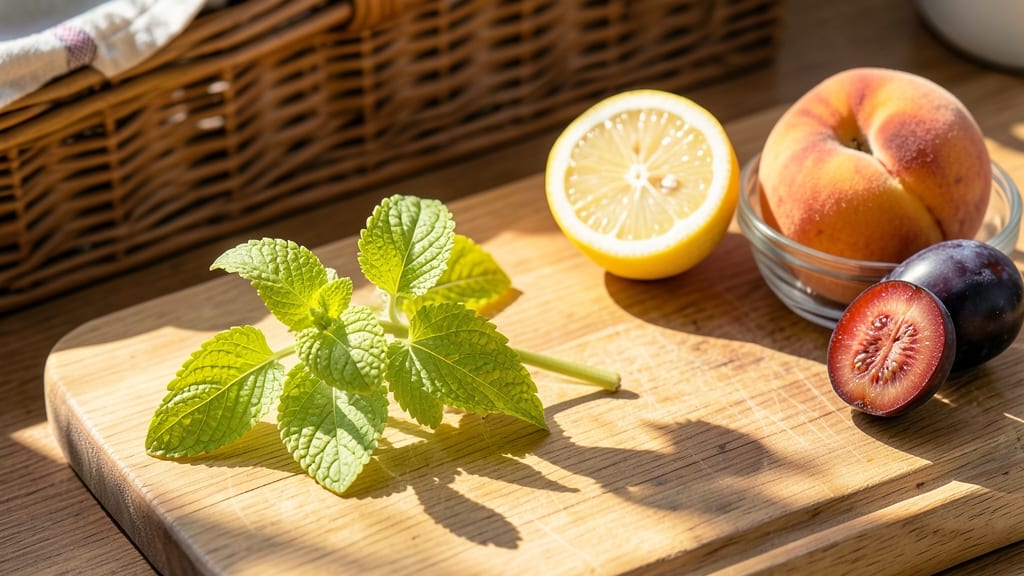
Want a natural, citrus-scented way to keep fruit flies away from your summer picnics or kitchen counter? Lemon balm is your secret weapon—its bright, lemony aroma disrupts flies' scent receptors, making them lose interest in your fruit bowls.
This hardy perennial thrives in partial sun to full shade, making it perfect for containers near dining areas or windowsills. Simply crush a few leaves to release its citrus oils, or let the fragrance waft naturally to create a fly-free zone. Unlike mint, lemon balm stays contained in pots and won’t take over your garden.
Urban gardeners and patio hosts will love this low-maintenance plant—just keep the soil moist and trim back leggy stems. It’s the subtle, elegant solution for those who prefer fragrance over strong herbs like mint. 🌿
Marigold Flowers for Dual Pest Control
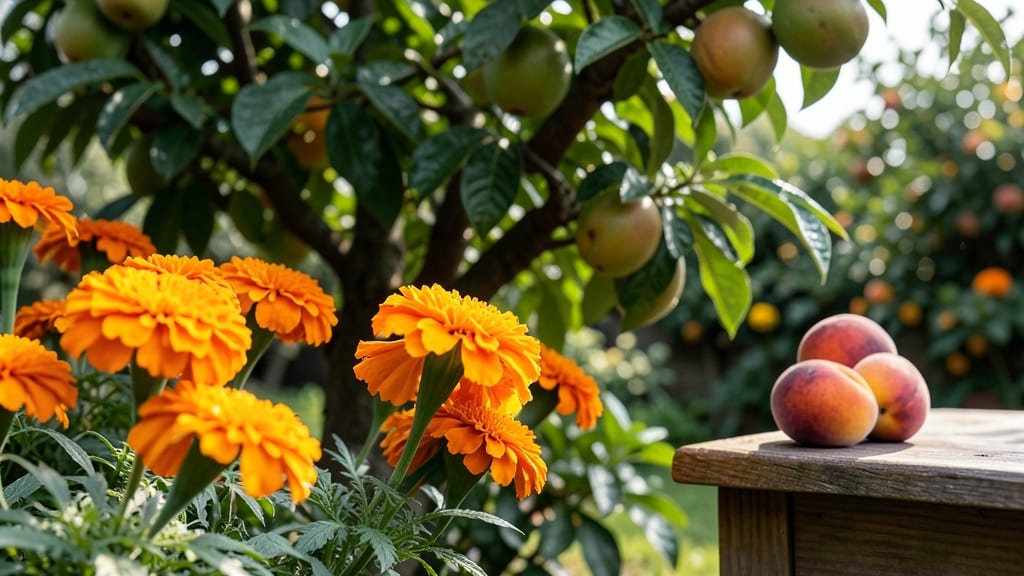
Want a year-round solution that keeps fruit flies away and protects your fruit trees? Marigolds are the unsung heroes of pest control—bright orange blooms release compounds that deter flies while repelling aphids, nematodes, and even rabbits. Their dual action makes them perfect for both kitchen windows and outdoor plantings.
These hardy annuals thrive in full sun to partial shade and tolerate poor soil, making them low-maintenance. For maximum fly deterrence, plant them within 3-5 feet of fruit trees or near kitchen entry points where flies enter. The strong scent confuses flies' scent receptors, reducing landing and egg-laying. Bonus: Deadheading spent blooms encourages continuous flowering and pest protection.
Urban gardeners and homesteaders will love marigolds—they’re easy to grow from seed and add vibrant color to any space. Plant them in spring after the last frost for season-long protection. 🌻
Catnip Plants for Strong Fly Repulsion
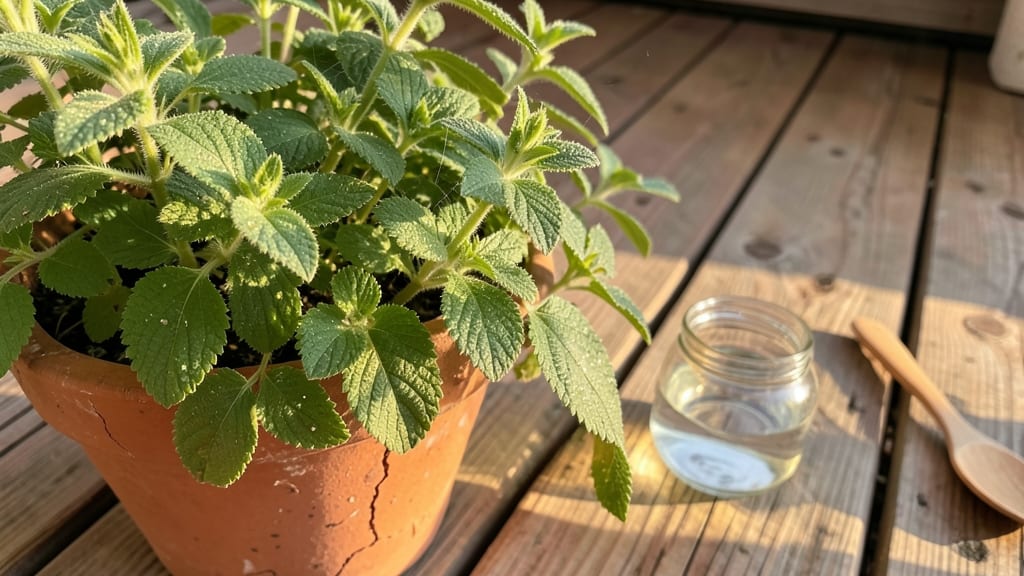
If you’re battling fruit flies in high-traffic outdoor spaces, catnip might be your secret weapon—it’s 10 times more effective than DEET at repelling flies, thanks to its nepetalactone compound.
This hardy perennial thrives in full sun to partial shade and grows quickly in containers, making it perfect for placing near trash bins, compost areas, or outdoor seating. Simply crush a few leaves to release the fly-repelling oils, or let the plant’s natural scent do the work year-round. It’s also deer-resistant and drought-tolerant once established.
Urban gardeners and patio dwellers will love this low-maintenance solution—just be warned that curious cats may investigate! 🌱
Bay Leaves for Pantry Fly Control

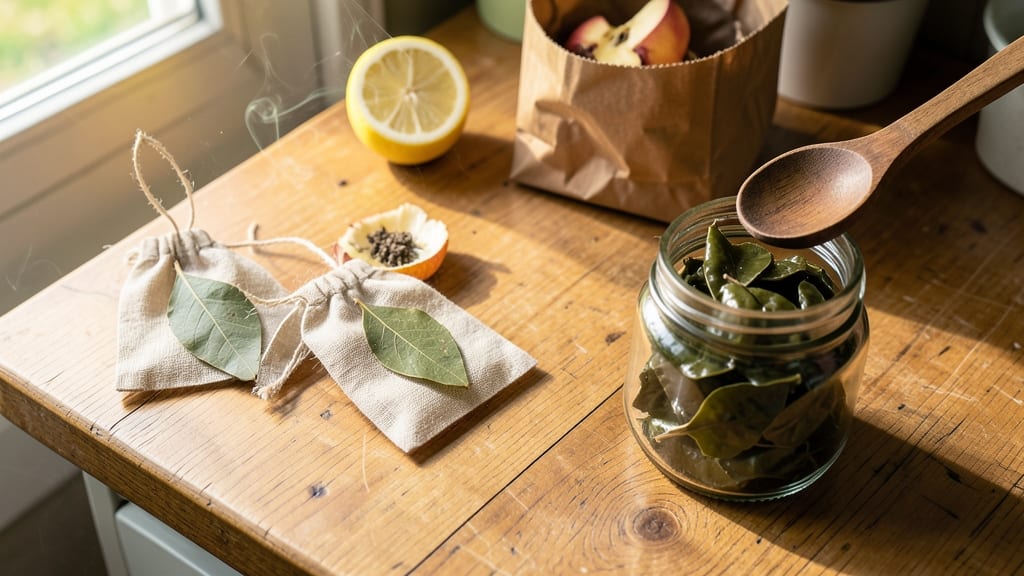
Skip the garden and raid your spice cabinet instead! Dried bay leaves are a secret weapon against fruit flies—no planting required. Simply place a few leaves in small sachets or tie them in cheesecloth near fruit bowls, trash cans, or compost bins to release their natural oils that flies despise.
The oils in bay leaves create an invisible barrier that disrupts flies' ability to locate food sources, making them fly away. For best results, refresh the sachets every 2-3 weeks or when the scent fades. This method works especially well in small spaces like pantries, kitchens, or outdoor dining areas where fresh plants aren’t practical.
Perfect for renters, urban dwellers, or anyone who wants instant fly control without maintenance, bay leaves offer a zero-effort solution that’s as effective as growing herbs. 🌿