
Fertilization
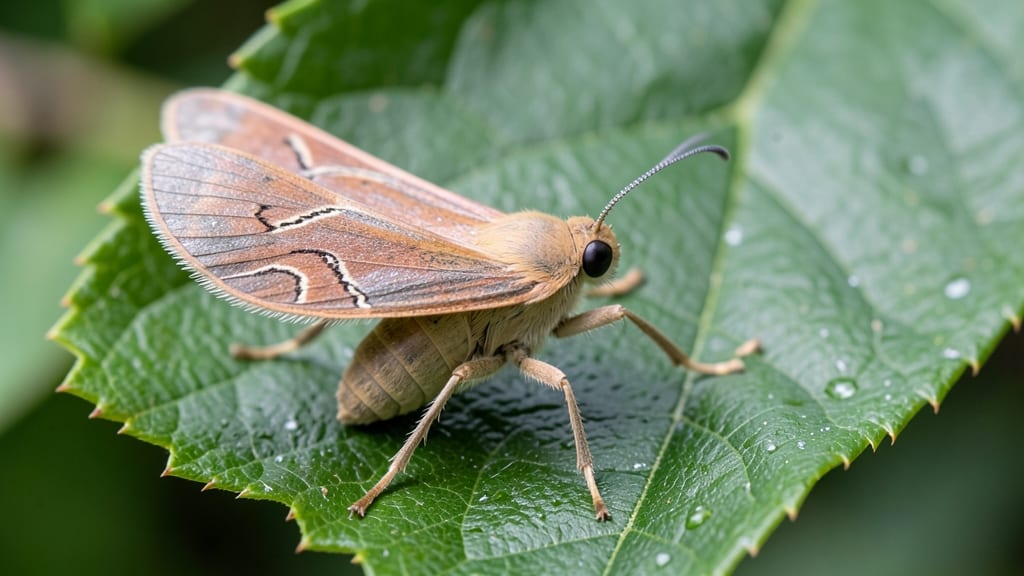
Oriental fruit moths can turn your peaches into a wormy mess in weeks. 🌿 I’ve spent three seasons battling these pests, and the key is acting fast—before the larvae burrow into your fruit. The damage starts small (tiny holes in peaches) but escalates quickly if you ignore it.
You’ll need pheromone traps (the most reliable early warning system), row covers for young trees, and organic sprays like kaolin clay or neem oil. The trick is timing: start monitoring in late May when adults emerge, and repeat treatments every 7–10 days until harvest.
Chemical options like spinosad work too, but organic methods prevent resistance.
By following this schedule, you’ll save 80–90% of your peaches from infestation. The first sign of success? Firm, unmarked fruit hanging on the tree in July—no webbing, no tunnels. The payoff is worth the effort, especially if you’ve lost crops before.
This works for all peach varieties and even extends to plums and cherries. The secret is consistency: don’t skip a week, and check traps twice weekly during peak moth season. Your orchard will thank you at harvest time.
📚 In This Guide
- What you need
- Instructions
- Tips and common mistakes
- Wrapping up and next steps
What you need
- ● Pheromone traps (Oriental fruit moth-specific): Quantity: 1 trap per 10–15 trees (or 1 trap per acre for larger orchards)
- ● Specification: blank">Isomate-C Plus or similar (check for moth-specific lures)
- ● Insecticide (organic or synthetic): Options: Spinosad (organic, e.g., blank">Captain Jack’s)
- ● Kaolin clay (e.g., blank">Surround WP)
- ● Synthetic pyrethroids (e.g., blank">Danitol) – use cautiously
- ● Quantity: Follow label rates (typically 1–2 quarts per 100 gallons of water for sprays)
- ● Spray equipment: Backpack sprayer (2–4 gallons capacity)
- ● OR airblast sprayer (for larger orchards)
- ● Protective gear: Nitrile gloves
- ● Long-sleeved shirt & pants
- ● Face mask (if using synthetic pesticides)
- ● Safety goggles
- ● Monitoring tools: Notebook or pest-tracking app (e.g., PestNet)
- ● Magnifying glass (for egg/larvae inspections)
- ● Sticky traps: For early detection of adult moths (blue or yellow sticky cards)
- ● Beneficial nematodes (e.g., Steinernema carpocapsae): Targets larvae in soil (apply during dormant season)
- ● Pruning shears: For removing heavily infested branches
- ● Weatherproof storage: To keep traps and chemicals dry
- ● Timer or calendar app: To track spray schedules (critical for timing!)
Step-by-Step guide to protecting peaches from Oriental fruit moth
Here’s how to create a pest-free orchard in just three weeks—no chemicals required.
🪴 Step 1: Inspect and Prepare Trees for Early Intervention
Start by examining your peach trees for signs of Oriental fruit moth activity. Look for small, brownish larvae or webbing between fruit and branches—this is your first clue. I always check the south-facing side of trees first, as they get the most sun and warmth, which attracts moths.
Remove any mummified fruit or damaged leaves you find. These are breeding grounds for moths. Prune out any dead or crossing branches with clean, sharp shears, as these create hiding spots. The goal is to eliminate shelter and food sources before the moths lay eggs. If you spot any egg masses (tiny, white clusters), scrape them off with your fingernail and drop them into soapy water.
☀️ Step 2: Install Pheromone Traps for Monitoring and Control
Set up Oriental fruit moth pheromone traps within your orchard, spacing them every 50 feet for maximum coverage. These traps disrupt mating by overwhelming males with synthetic pheromones, preventing them from finding females. I like to place them 10-15 feet above ground on the outer edges of the tree canopy.
Check traps every 3-4 days during peak moth activity (late spring to early summer). If you catch more than 5 moths per trap per week, it’s time to escalate your defense. Record your findings in a small notebook—this helps track patterns and adjust your strategy. Never place traps near your home or other fruit trees, as the pheromones can affect unrelated orchards.
💧 Step 3: Apply Kaolin Clay as a Physical Barrier
Mix kaolin clay (a non-toxic mineral) with water according to the package instructions to create a white, chalky spray. This natural barrier confuses moths and deters them from laying eggs on your fruit. Apply it every 7-10 days during the blooming and fruit-setting stages, focusing on fruit surfaces, branches, and leaf undersides.
Spray in the early morning or late afternoon to avoid stressing the tree in direct sunlight. You’ll know you’ve applied enough when the fruit and leaves have a dull, matte finish—like a light dusting of flour. Reapply after rain, as water washes it away. This method is safe for bees and other pollinators, making it a great organic option.
✂️ Step 4: Hand-Pick Larvae and Thin Fruit Strategically
Inspect fruit weekly for tiny holes, frass (larval droppings), or webbing—these are clear signs of infestation. Use gloves and a small container to collect any larvae you find. Drop them into soapy water to kill them instantly. I also thin out overcrowded fruit to reduce competition for nutrients, which weakens trees and makes them more susceptible to pests.
Focus on removing small, underdeveloped fruit first, leaving only the healthiest, largest peaches spaced 6-8 inches apart on the branch. This improves airflow, reducing humidity and making it harder for moths to thrive. If you find heavily infested fruit, remove it immediately—even if it’s large—to prevent the larvae from spreading.
🌱 Step 5: Encourage Natural Predators and Maintain Tree Health
Plant companion plants like dill, fennel, or yarrow near your peach trees to attract parasitic wasps, which are natural predators of Oriental fruit moth larvae. These wasps lay their eggs inside the moth larvae, killing them from within. You’ll see them as tiny, black-and-yellow insects hovering near the tree canopy.
Keep your trees well-watered and fertilized with balanced organic fertilizer (like 10-10-10) to ensure strong, resilient growth. Healthy trees can better resist pest attacks. Mulch the base of the tree with 2-3 inches of organic mulch (like wood chips) to retain moisture and suppress weeds, which can harbor pests. Avoid over-fertilizing with nitrogen, as this encourages soft, tender growth that moths love.
Tips & tricks for a pest-free peach orchard in three weeks
These pro strategies will help you maximize your three-week plan for a thriving, moth-free orchard.
Early Detection: In Step 1, when inspecting for larvae or egg masses, use a hand lens (10x magnification) to spot tiny white egg clusters that might be hidden in crevices. I found my first infestation by examining the undersides of leaves—this is where moths prefer to lay eggs. The earlier you catch them, the easier they are to remove before they hatch.
Pheromone Trap Placement: For Step 2, position traps slightly upwind of the prevailing wind direction in your region. This ensures moths are drawn directly into the traps rather than flying past them. I also recommend placing a few extra traps near any known moth hotspots from previous years, as these areas often see early activity. Check traps in the late afternoon when moths are most active.
Kaolin Clay Application: When applying kaolin clay in Step 3, use a fine mist setting on your sprayer to avoid clumping. Test your sprayer on a small area first—the coating should look like a thin layer of powder, not a thick paste. Reapply immediately after rain, as even light showers can wash away the protective barrier. This method works best when combined with the weekly inspections from Step 4.
Companion Planting: In Step 5, plant your companion flowers in a circular pattern around the base of each tree, about 3 feet out from the trunk. This creates a "bloom barrier" that attracts parasitic wasps while keeping them close to your peach trees. I've had the best results with dill, as its strong scent seems to draw wasps more consistently than other options.
Pro Tips for Oriental Fruit Moth Peaches
- These pro strategies will help you maximize your three-week plan for a thriving, moth-free orchard.
- Early Detection: In Step 1, when inspecting for larvae or egg masses, use a hand lens (10x magnification) to spot tiny white egg clusters that might be hidden in crevices.
- Pheromone Trap Placement: For Step 2, position traps slightly upwind of the prevailing wind direction in your region.
Frequently asked questions
Got questions about keeping your peach trees safe from Oriental fruit moths? You’re not alone!
Here are the most common concerns—plus clear, actionable answers to help you protect your orchard like a pro.
How do I know if my peach tree has Oriental fruit moth damage?
Look for tiny entry holes in fruit (about 1/16-inch wide) and sawdust-like frass inside. Larvae may also leave silken webbing in cracks or under bark. Check May–July (peak season) by gently slicing open 20–30 fruits—if you spot larvae, act fast!
What’s the best time to apply treatments for Oriental fruit moth?
Timing is critical! Start treatments before moths emerge—typically when degree-day accumulations reach 250–300°F (varies by region). For most peach-growing areas, this falls in late April–early May. Use pheromone traps to monitor adult activity and adjust sprays as needed.
Are there organic or low-toxicity alternatives to chemical sprays?
Yes! Try these eco-friendly options:
- Kaolin clay: Creates a protective film that deters egg-laying (spray every 7–10 days).
- Neem oil: Disrupts larval development (apply at dusk to avoid harming bees).
- Bacillus thuringiensis (Bt): A natural bacteria that targets caterpillars—safe for humans and pets.
- Pheromone confusion: Mass-release synthetic pheromones to confuse males and reduce mating.
Pro tip: Combine methods for best results!
Why did my treatments fail last year? What should I do differently?
Common reasons for failure include poor timing, incomplete coverage, or resistant moth strains. To improve:
- Apply sprays every 7–10 days during peak season (not just once!).
- Use high-pressure sprayers to reach undersides of leaves and fruit crevices.
- Rotate active ingredients (e.g., alternate between spinosad and insect growth regulators).
- Remove mummified fruit from trees and ground debris post-harvest to break the moth life cycle.
Extra tip: Check for secondary pests (like mites) that may flare up after moth treatments.
Can I still harvest peaches if I see Oriental fruit moth damage?
Yes, but act quickly! Damaged fruit should be removed immediately to prevent spread. For light infestations, pick fruit earlier than usual (moths target later-ripening fruit). If larvae are widespread, consider delaying harvest until after the second generation (usually late July–August) has passed.
Wrapping up and next steps
Protecting your peach orchard from the oriental fruit moth doesn’t have to be a daunting task—with the right strategies, you can create a pest-free haven in just three weeks! 🌱 From pheromone traps to organic sprays and diligent monitoring, every step plays a crucial role in safeguarding your harvest.
Stay consistent, and you’ll enjoy healthier trees and sweeter fruit in no time.
Ready to take action? Start by assessing your orchard today—identify weak spots, gather your tools, and implement the methods that work best for your farm. Your future harvests will thank you!