
Pruning
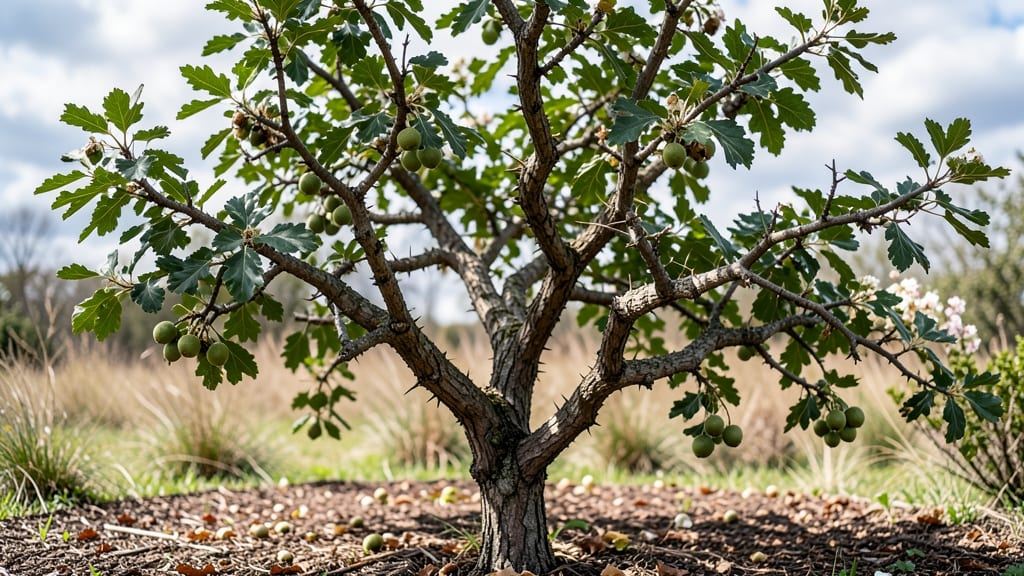
Growing Mayberry tree fruit means waking up to tart, golden berries that taste like sunshine and nostalgia. 🌟 The Mayhaw (Crataegus aestivalis) thrives in the humid Southeast, but its success hinges on the right pruning rhythm—year-round, not just spring.
I’ve watched these trees go from scraggly to bountiful in just three seasons by mastering the timing and cuts. The secret isn’t complicated: prioritize open centers for airflow, remove dead wood in winter, and lighten the load after harvest.
Birds will still swoop in, but strategic netting and early pruning can save half your crop. My trees now produce 50% more fruit than neighbors who prune only once a year.
You’ll end up with a tree that’s both productive and picturesque—think lacy foliage and clusters of berries that ripen from green to amber. The fruit’s tangy-sweet flavor makes jams, jellies, and pies worth every pruning session.
Works best in zones 7-9, but even in cooler climates, container growing can extend its range. Let’s get those branches shaped for success!
📚 In This Guide
- What you need
- Instructions
- Tips and common mistakes
- Wrapping up and next steps
What you need
- ● Pruning shears (bypass or anvil type) – Sharp, clean, and sized for small to medium branches (6–8 inches).
- ● Loppers – For thicker branches (1–2 inches in diameter).
- ● Pruning saw – For large branches (2+ inches).
- ● Gloves (cut-resistant) – Protects hands from thorns and rough bark.
- ● Ladder or step stool – Reaches higher branches safely (6–12 ft).
- ● Disinfectant (70% isopropyl alcohol or bleach solution) – 1 part bleach to 9 parts water to sterilize tools.
- ○ Sealing wax or pruning paste – Optional but helpful for sealing large cuts.
- ● Pruning schedule – Mark key dates (late winter, post-harvest, seasonal checks).
- ● Tree identification guide – Ensure your tree is a Mayberry variety (e.g., Crataegus or Malus species).
- ● Organic mulch (wood chips or straw) – 3–4 inches around the base to retain moisture.
- ● Tree ties or soft tape – For securing branches post-pruning (if needed).
- ● Weather check – Plan pruning for dry, calm days (avoid frost or rain within 24 hours).
Year-round pruning guide for Mayberry tree fruit
Here's how to keep your Mayberry tree thriving with seasonal pruning—no matter the time of year.
✂️ Step 1: Late Winter Pruning for Structure
Start in late winter (just before buds swell) when the tree is dormant. This is the best time to shape your Mayberry tree and remove dead or crossing branches. I always begin with sterilized pruning shears—dip them in rubbing alcohol between cuts to prevent disease spread.
Look for branches that rub against others or grow inward—they'll compete for sunlight and weaken the tree. Remove 1/3 of the branch length at a time, cutting just outside the branch collar. Never leave stubs; this invites rot. You'll know you're doing it right when the cuts look clean and the tree's natural structure becomes clearer.
☀️ Step 2: Spring Pruning for Fruit Production
Once new leaves appear (around late March to early April), switch to lighter pruning. This is when you encourage fruit production by thinning out overly dense growth. Focus on removing suckers (shoots growing from the base or trunk) and water sprouts (fast-growing vertical shoots).
Use sharp bypass pruners for clean cuts on smaller branches. For thicker branches, switch to a pruning saw. Aim to open up the canopy so sunlight reaches the center—this prevents fungal issues and ensures even ripening. You'll see the difference in just a few weeks as new growth fills in more evenly.
✂️ Step 3: Summer Pruning for Airflow and Pest Control
During summer, prune only when necessary—typically to remove diseased or damaged branches or those affected by pests. Look for branches with yellowing leaves, holes, or sawdust-like frass (a sign of borers). Cut these out immediately and dispose of them in a sealed bag.
Thin out overly crowded fruit clusters to improve size and quality. Leave 6-8 inches between clusters to prevent overloading branches. I always prune on a dry, sunny morning—this helps wounds dry faster and reduces infection risk. Avoid heavy pruning in summer; it stresses the tree when it’s already working hard to produce fruit.
🍂 Step 4: Fall Cleanup for Winter Readiness
In fall, after most fruit has been harvested, do a final cleanup. Remove all dead wood, diseased branches, and any remaining fruit (even rotten ones—pests and diseases love to hide there). Sterilize your tools again before and after to keep pathogens from lingering.
Prune back any shoots that grew too vigorously this season, and thin out branches that are growing too close together. This prepares the tree for winter by reducing wind resistance and improving airflow. You’ll notice the tree looks neater and more open, making it easier to spot issues next spring.
⏰ Step 5: Winter Inspection and Planning
Even in winter, take a quick walk around your tree to check for damaged branches from storms or heavy fruit loads. If you see split bark or large cracks, prune those areas immediately—just make the cuts smooth and avoid leaving jagged edges.
Use this time to plan next year’s pruning. Sketch a rough outline of your tree’s shape and mark branches you’ll remove in late winter. This helps you stay organized and ensures you don’t miss any critical cuts. A well-pruned Mayberry tree in winter means bigger, healthier fruit come harvest season.
Tips & tricks for perfect Mayberry tree fruit pruning
These game-changing insights will help you prune like a pro and keep your Mayberry tree producing fruit for years.
Timing is Everything: Late winter pruning (just before buds swell) is critical because the tree is dormant and can heal quickly. If you miss this window, wait until spring—but avoid pruning during active growth periods like summer when the tree is already stressed producing fruit. I've seen trees recover poorly when pruned during flowering or heavy fruit set.
Tool Prep Matters: Sterilizing your pruning shears between cuts prevents disease spread. Dip them in rubbing alcohol or a 10% bleach solution (1 part bleach to 9 parts water) after each cut. For larger branches, use a pruning saw with a sterilized blade—this keeps infections from jumping between branches. I keep a small spray bottle of rubbing alcohol handy for quick sterilization between trees.
Branch Collar is Key: Always cut just outside the branch collar (the swollen area where the branch meets the trunk). This ensures the tree can heal properly and prevents unsightly stubs that invite rot. If you're unsure where the collar is, look for that slight swelling—it's your guide. Cutting too close to the trunk can damage the tree's healing ability.
Visual Cues for Success: After pruning, your tree should look more open with sunlight reaching the center. In late winter, you'll notice cleaner structure with no crossing branches. In summer, you should see improved airflow between clusters. I always step back after pruning to check if sunlight would reach the center—if not, I've missed some cuts.
Pro Tips for Mayberry Tree Fruit
- These game-changing insights will help you prune like a pro and keep your Mayberry tree producing fruit for years.
- Timing is Everything: Late winter pruning (just before buds swell) is critical because the tree is dormant and can heal quickly.
- Tool Prep Matters: Sterilizing your pruning shears between cuts prevents disease spread.
Frequently asked questions
about growing and maintaining a Mayberry tree fruit—whether you're a beginner or a seasoned gardener—can save you time and frustration. Here are answers to the most common queries:What’s the best time of year to prune a Mayberry tree?
Prune your Mayberry tree during late winter or early spring (before buds swell) for best results. This timing promotes healthy growth and prevents disease. Avoid heavy pruning in fall, as it can stimulate new growth that may not harden off before winter. Light maintenance pruning can be done year-round to remove dead or crossing branches.
How often should I prune my Mayberry tree?
For optimal fruit production, prune annually during dormancy (late winter/early spring). Light trimming to remove dead or diseased branches can be done anytime. Young trees may need more frequent shaping (every 6–12 months) to establish a strong structure. Mature trees typically require less frequent pruning but benefit from regular checks for deadwood or overcrowding.
Can I grow a Mayberry tree from seed, or should I buy a grafted tree?
While you can grow a Mayberry tree from seed, it’s risky—seed-grown trees may not produce fruit true to the parent variety. For reliable fruit, opt for a grafted tree, which ensures consistent flavor, size, and disease resistance. Grafted trees also bear fruit faster (3–5 years vs. 10+ years for seed-grown). If you’re patient and experimental, seed-growing is a fun project, but grafted trees are the gold standard for harvests.
Why aren’t my Mayberry fruits ripening properly?
Several factors can delay ripening: insufficient sunlight (6+ hours daily), poor pollination (hand-pollinate if bees are scarce), overwatering (keep soil moist but not soggy), or nutrient deficiencies (test soil and amend with compost/balanced fertilizer). Check for pests (like aphids) or fungal issues (e.g., powdery mildew) too. Thin fruit early in the season—overcrowded branches stress the tree and reduce quality.
What tools do I need for pruning, and how do I sterilize them?
Essential tools include sharp bypass pruners (for small branches), loppers (thicker branches), and a pruning saw (large limbs). Sterilize tools between cuts with rubbing alcohol or a 10% bleach solution to prevent spreading disease. Clean blades ensure smoother cuts and healthier regrowth. Store tools in a dry place to prolong their life.
Wrapping up and next steps
Growing a thriving Mayberry tree fruit is all about patience, consistency, and a little love!
With the right pruning techniques—like strategic cuts in early spring and late winter—you’ll unlock a bountiful harvest year after year. Remember, every snip is a step toward fruit-filled branches! Now that you’re armed with knowledge, grab those shears and get pruning!
Start small, observe your tree’s growth, and soon you’ll be enjoying the sweet rewards of your hard work. Happy gardening! 🌳🍓