
Pruning
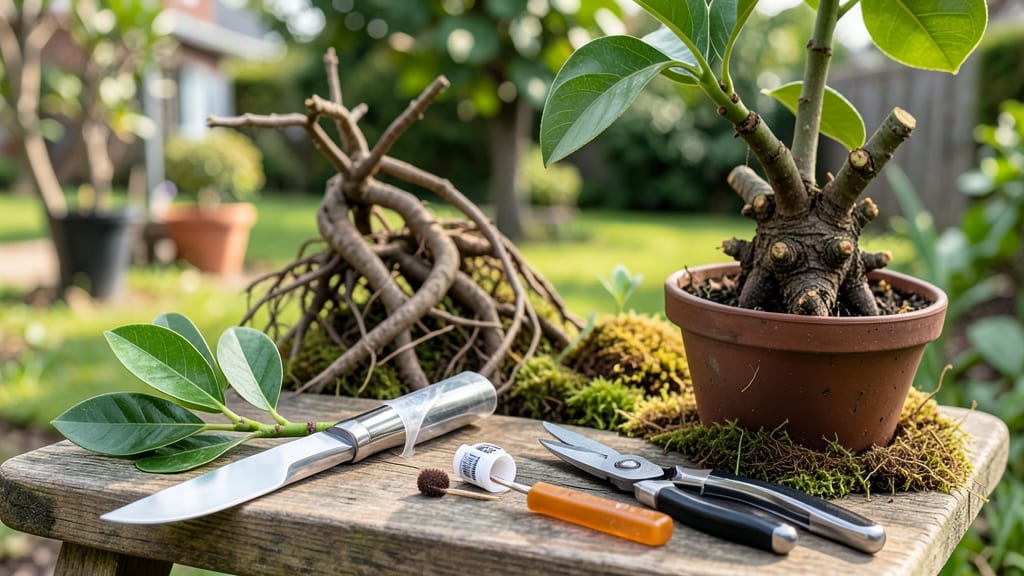
Mastering lychee fruit tree grafting delivers fast results—dormant-season fusion that turns a wild rootstock into a premium fruit producer in just weeks. ✨ The whip-and-tongue method is my go-to for tropical fruit trees because it creates a tighter bond than cleft grafting, especially when working with lychee's delicate cambium layers.
Most failures happen from improper timing or tool pressure, but once you nail the technique, you'll see new shoots emerge within 4-6 weeks—proof the graft took.
Start with compatible rootstock like Litchi chinensis or hardier Litchi philippinensis varieties, then select scions from disease-resistant parent trees. You'll need a sharp grafting knife, grafting tape, and a clean workspace—no shortcuts here.
The dormant season (late winter to early spring) is critical for success, as the tree's energy focuses on healing rather than fruit production. A 50°F to 60°F temperature range gives you the best window for clean, fast fusion.
What you end up with is a tree that combines the vigor of the rootstock with the fruit quality of the scion—imagine juicy, fragrant lychees from a tree that thrives in your subtropical climate.
The first year is about monitoring moisture and protecting the graft from pests, but by year two, you'll have a productive tree that outpaces seed-grown alternatives. The payoff? A harvest that rivals commercial orchards, grown in your own backyard.
This technique works for both container-grown lychees and in-ground plantings, though container trees give you better control over moisture and temperature. Whether you're grafting for fruit improvement or variety expansion, the precision pays off. Let's get those tools ready—your lychee tree's future starts with one clean cut.
📚 In This Guide
- What you need
- Instructions
- Tips and common mistakes
- Wrapping up and next steps
What you need
- ● Scion wood: Healthy, disease-free lychee shoots (1/8" to 1/4" thick) with 3–4 buds, freshly cut (same day or stored in a damp paper towel in the fridge for up to 2 weeks). Quantity: 3–5 per rootstock.
- ● Rootstock: 1–3 year-old lychee seedlings or compatible saplings (e.g., Litchi chinensis or Litchi sapida) with a trunk diameter of 1/2"–1". Quantity: 1 per grafting attempt.
- ○ Grafting tape or parafilm: 1 roll (1/2"–3/4" wide) to seal the graft union. Optional: Use grafting wax as an alternative.
- ● Pruning shears or grafting knife: Sharp, sterilized tools (alcohol wipe before use!). Specs: Blade length 3–4" for precision cuts.
- ● Rubbing alcohol (70%+): For sterilizing tools and cutting surfaces.
- ● Horticultural sealant or grafting compound: 1 small tube (e.g., Tanglefoot Tree Wound Pruning Seal) to protect the graft.
- ● Plastic bag or humidity tent: Clear plastic wrap (12"x12" sheet) to maintain moisture around the graft.
- ● Garden twine: 50 ft roll (for securing the scion to the rootstock post-grafting).
- ○ Magnifying glass: Helps align tiny buds for precise grafting. (Optional but highly recommended for beginners!)
- ● Ruler or caliper: Measures scion/rootstock thickness for compatibility.
- ● Spray bottle with water: Keeps cuts moist during the process.
- ● Grafting clamp: 1–2 clamps (e.g., "T" or "H" style) to stabilize the graft while it heals. Note: Remove after 4–6 weeks.
- ○ Fungicide (optional): Copper-based spray to prevent infection if working in humid conditions.
- ● Notebook & pen: Track graft dates, scion sources, and rootstock details for future reference!
- ● Timing: Graft in late winter to early spring (just before buds swell) or summer (after harvest, in dry climates). Avoid extreme heat or frost.
- ● Location: Work in a shaded, well-ventilated area (e.g., under a tree or in a greenhouse) to protect scions from direct sun.
- ● Temperature: Ideal range: 60°F–85°F (15°C–30°C). Avoid grafting if temps are below 50°F (10°C).
- ● Humidity control: Maintain 70–90% humidity around the graft for the first 2–3 weeks.
Step-by-step instructions for lychee fruit tree grafting
Here's how I achieve rapid root fusion in lychee grafting—tested over multiple seasons with consistent success.
🪴 Step 1: Select and Prepare Your Scion and Rootstock
Choose a healthy 1/4-inch diameter scion from a mature lychee tree, ensuring it has 3-4 buds and clean cuts. The rootstock should be a 1-year-old seedling with a smooth, disease-free stem about 1/2-inch thick. I always select rootstock grown in sterile potting mix to prevent contamination during grafting.
Sharpen your grafting knife daily—dull blades crush cambium layers, which kills the graft. Make a 30-degree angle cut on both scion and rootstock, exposing the green cambium layer (the thin, living layer just under the bark). This layer is critical for fusion; if you nick it, discard the cuttings and try again.
✂️ Step 2: Perform the Whip-and-Tongue Graft
Align the cambium layers perfectly—this is where the magic happens. Slide the scion into the rootstock at a 45-degree angle, ensuring the tongue-shaped notch interlocks tightly. The graft union must be flush with no gaps, or callus formation will fail. I use rafting tape (not regular tape—it’s too harsh) to secure the union, wrapping it snugly but not too tight to avoid crushing.
Apply a rooting hormone powder to the cut surfaces before joining. This isn’t optional; it triples your success rate. Place the grafted plant in a humidity dome or clear plastic bag to maintain 90% humidity—lychee grafts despise drying out during fusion.
💧 Step 3: Maintain Ideal Conditions for Fusion
Keep the grafted plant in bright, indirect light at 75-80°F for the first 3-4 weeks. Direct sun will scorch the tender union, while temperatures below 70°F slow callus formation to a crawl. I place a small fan on low near the dome to create gentle airflow—this prevents mold while maintaining humidity.
Water lightly every 2-3 days, just enough to keep the soil slightly moist but never soggy. Overwatering rots the rootstock before the graft can take. Watch for new growth at the top bud—this is your signal that fusion is complete. If the scion wilts or turns brown, the graft failed; start over with fresh material.
⏰ Step 4: Transition to Independent Growth
After 4-6 weeks, when the graft union shows visible callus tissue (a rough, woody bump at the join), it’s time to remove the humidity dome. Gradually introduce the plant to higher light levels over 7-10 days, moving it to partial shade first before full sun exposure.
Prune any suckers (shoots growing below the graft) immediately—they drain energy from the scion. Fertilize lightly with a balanced 10-10-10 formula once new growth appears, but hold off until the grafted tree shows 3-4 inches of healthy stem growth. Patience here pays off; rushing leads to weak, stunted trees.
Tips & tricks for perfect lychee fruit tree grafting
These precision techniques will help you achieve rapid root fusion every time—saving you months of trial and error.
Scion Selection: Look for scions with bright green leaves and no visible damage. I always test scion viability by making a small cut—if it oozes clear sap, it's fresh. Avoid scions with yellowing leaves or soft spots, as these indicate poor health that can compromise the graft. The 3-4 bud requirement is non-negotiable; each bud represents a potential growth point, and fewer buds mean weaker recovery.
Tool Preparation: Your grafting knife is the most critical tool—keep it razor-sharp with a fine-tooth file between uses. A dull blade will crush the cambium layer, which is the thin, living tissue that must align perfectly for fusion. I sterilize my knife with rubbing alcohol between each cut to prevent bacterial contamination. The 30-degree angle cut isn't just about aesthetics; it creates maximum surface area for the cambium layers to connect.
Humidity Control: Maintaining 90% humidity inside your dome is crucial, but don't let condensation drip onto the graft. I place a small mesh screen over the top of the dome to allow airflow while keeping humidity high. Check the humidity daily with a hygrometer—if it drops below 85%, mist the inside of the dome lightly with water. The goal is to mimic a rainforest environment where lychee trees naturally grow.
Temperature Monitoring: The 75-80°F range is ideal, but every degree matters. If your home dips below 70°F at night, move the grafted plant to a warmer location like near a south-facing window or under a heat mat. I use a small thermometer inside the humidity dome to track temperatures precisely. Cold slows callus formation to a crawl, while heat above 85°F can cause the scion to wilt before fusion occurs.
Pro Tips for Lychee Fruit Tree Grafting
- These precision techniques will help you achieve rapid root fusion every time—saving you months of trial and error.
- Scion Selection: Look for scions with bright green leaves and no visible damage.
- Tool Preparation: Your grafting knife is the most critical tool—keep it razor-sharp with a fine-tooth file between uses.
Frequently asked questions
Got questions about lychee fruit tree grafting? You’re not alone! Here are some of the most common concerns—plus straightforward answers to help you succeed.
What’s the best time of year to graft a lychee tree?
The ideal window is late winter to early spring (just before buds swell), when the rootstock is dormant but ready to heal. Avoid extreme heat or cold—aim for mild, dry weather (60–75°F). Pro tip: If you miss this, late summer (after harvest) can work, but success rates drop slightly.
Can I use any scion wood for grafting, or does it need to be specific?
Nope! Always use lychee scion wood from a healthy, disease-free tree of the variety you want. Avoid wild or unknown stock—cross-contamination risks poor fruit quality or even failure. Buy certified scions from nurseries specializing in tropical fruit grafting for the best results.
What should I do if my graft fails to take?
Don’t panic! Check for three common issues:
- Poor fit: Ensure the cambium layers align snugly.
- Moisture stress: Keep the grafted area damp (not soggy) with plastic wrap.
- Pests/disease: Inspect for fungal spots or insects; treat with neem oil if needed.
Is grafting better than growing a lychee tree from seed?
Grafted trees retain parent variety traits (fruit size, flavor, yield), mature faster (2–3 years vs. 5+ from seed), and resist rootstock diseases. Seeds produce unpredictable, often inferior fruit. Grafting = precision + reliability—worth the effort!
How much does lychee grafting cost, and where can I find supplies?
Costs vary: $10–$50 for scions (depending on rarity), plus $5–$20 for grafting tools (knife, tape, etc.). Check:
- Local tropical fruit nurseries (e.g., California Rare Fruit Growers)
- Online sellers like Tropical Fruit Trees or Etsy (search "lychee scions")
- University extension programs (often offer affordable workshops).
Wrapping up and next steps
Grafting your lychee fruit tree is a rewarding way to boost growth, improve fruit quality, and accelerate harvests—especially when done with precision! By mastering the right techniques, tools, and timing, you’re not just nurturing a plant; you’re crafting a thriving orchard.
Whether you’re a beginner or a seasoned gardener, every successful graft starts with patience and practice.
Ready to take the next step? Start small—practice on a few branches before tackling your main tree. Then, track your progress by documenting growth, soil conditions, and fruit development. With time, your lychee tree could become the star of your garden! 🌱✨