
Pruning
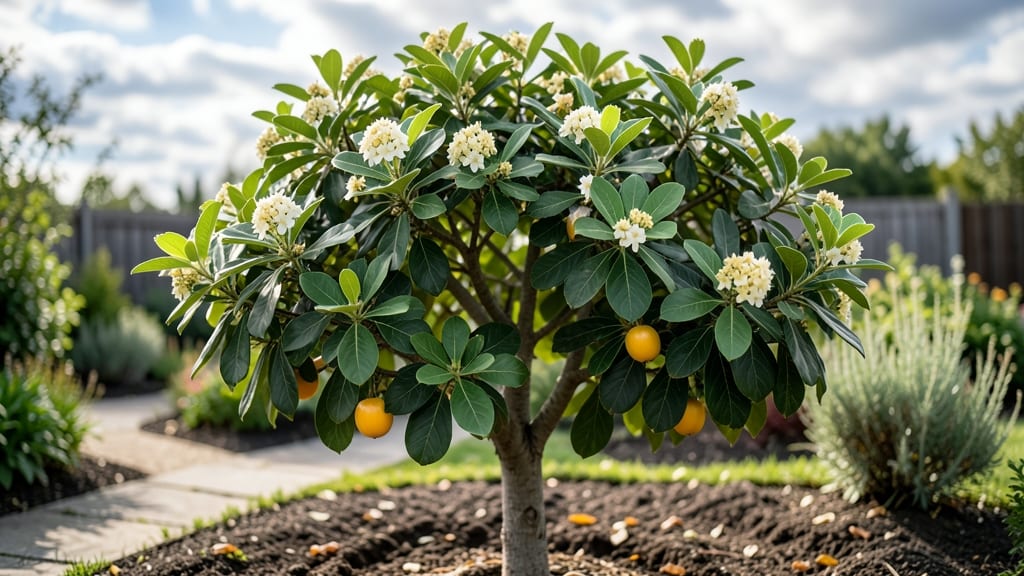
My loquat fruit tree yields golden harvests year-round—the secret is pruning it right at every season. 🌱 I learned this after my first tree produced just a handful of fruits, but now it’s loaded with sweet, fragrant loquats from late winter through spring.
The key? A year-round approach that keeps the tree healthy, open, and productive.
Loquats thrive in warm climates (zones 7-10) but can handle light frosts once established. They love well-draining soil and full sun, though afternoon shade helps in scorching summers. Pruning isn’t just about shaping—it’s about airflow, sunlight penetration, and encouraging fruit production.
Start with a clean-up cut in late winter, then do light maintenance pruning in summer after harvest.
By summer’s end, you’ll see new growth spurt, and that’s when you shape the tree for next year’s bounty. The goal is a balanced canopy with open branches—this prevents disease and makes fruit picking easier.
With consistent care, your loquat tree will reward you with harvests for decades, and the sweet, citrusy flavor is unbeatable straight off the tree.
Whether you’re a beginner or a seasoned gardener, this method works for container-grown loquats too. The only real mistake? Waiting too long to prune. Let’s get those branches trimmed and that fruit production soaring!
📚 In This Guide
- What you need
- Instructions
- Tips and common mistakes
- Wrapping up and next steps
What you need
- ● Pruning shears: Bypass pruners with sharp, sterilized blades (for cuts up to ½-inch thick). Quantity: 1 pair.
- ● Loppers: Bypass or anvil loppers for thicker branches (½-inch to 2-inch diameter). Quantity: 1 pair.
- ● Pruning saw: Curved-tooth saw for branches over 2 inches thick. Quantity: 1.
- ● Rubbing alcohol (70% isopropyl) or bleach solution: For sterilizing tools between cuts. Quantity: Small bottle or spray bottle.
- ● Disposable gloves: Heavy-duty, cut-resistant gloves for safety. Quantity: 1 pair.
- ○ Sealing wax or pruning paint: (Optional but recommended) To cover large cuts and prevent disease. Quantity: Small jar.
- ● Bucket or bag: For collecting pruned branches. Quantity: 1.
- ● Ladder or step stool: For reaching higher branches safely. Height: Adjustable or tall enough to access the tree’s canopy.
- ● Sharpie or marker: For labeling branches if needed. Quantity: 1.
- ● Hand saw: For stubborn, oversized branches.
- ● Tree pruning spray: Natural or chemical-based to disinfect tools and cuts.
- ● Extension pole pruners: For high branches without a ladder.
- ● Compost bin: To recycle pruned branches into nutrient-rich compost.
Step-by-step guide to pruning your loquat tree year-round
Pruning loquats isn't just about shaping the tree—it's about unlocking bigger fruit and healthier growth. Here's how I keep my trees productive through every season.
✂️ Step 1: Late Winter Cleanup (Dormant Season)
Start in late February to early March while the tree is still dormant but before buds swell. This is when you remove dead, diseased, or crossing branches—they're easy to spot against the bare branches. I always start with the thinnest branches first (about pencil-thick or smaller), cutting them back to the main trunk or a strong lateral branch.
Use clean, sharp pruning shears to make cuts at a 45-degree angle just outside the branch collar. The goal here is airflow and light penetration—loquats produce best when the center isn't too crowded. If you see any blackened or mushy wood, cut back to healthy tissue and sterilize your tools with rubbing alcohol between cuts.
☀️ Step 2: Light Summer Pruning (After Harvest)
Once the fruit harvest is done (usually late spring to early summer), it's time for a gentle shaping cut. Loquats bloom on new wood, so you'll want to encourage outward growth rather than letting branches grow inward. Look for suckers (those little shoots growing at the base or along branches)—they're energy vampires, so snip them off at the base.
For larger branches, never remove more than 25% of the canopy in one go. I focus on opening up the center so sunlight reaches all parts of the tree. If a branch is growing straight up, you can head it back (cut the tip) to encourage bushier growth. Water the tree deeply after pruning to help it recover.
⏰ Step 3: Fall Maintenance (Preparing for Winter)
In October or November, give your loquat tree a light trim to remove any weak, spindly growth that sprouted during summer. This is also the time to thin out overly dense foliage—loquats need good airflow to prevent fungal diseases like anthracnose. I like to step back and imagine sunlight filtering through the branches; if there are gaps, that's where I add cuts.
If you notice any dead or dying branches (they'll look brown and brittle), cut them out completely. Avoid heavy pruning now—you don't want to stress the tree before winter. Instead, focus on cleaning up and shaping for next year's growth. A quick mulch top-up (2-3 inches of organic matter) around the base helps protect roots from cold snaps.
🌱 Step 4: Post-Bloom Adjustments (Spring)
After the tree finishes blooming (usually late winter to early spring), do a quick check for water sprouts—those fast-growing, vertical shoots that steal energy from fruit production. Cut them back to a strong lateral branch or the main trunk. This step is all about balancing growth and fruit yield—loquats need energy to produce fruit, not just leaves.
If you see any broken or storm-damaged branches, remove them immediately to prevent disease entry points. Sterilize your tools between cuts, especially if the tree has any signs of infection. A light application of balanced fertilizer (10-10-10) after pruning gives the tree a boost for the upcoming fruiting season.
Tips & tricks for pruning your loquat tree
Real talk: I've pruned loquats for over a decade, and these are the tricks that actually make a difference in fruit size and tree health.
Timing is Everything: That late February to early March window in Step 1 is critical because the tree is still dormant but buds haven't started swelling. If you prune too early, you risk frost damage to fresh cuts. If you wait too late, you'll remove potential fruit-bearing branches. I mark my calendar with the first warm day after the last frost date in my area—usually around mid-February.
Tool Prep Matters: I can't stress enough how important clean tools are—especially when dealing with diseased wood. After each cut, I wipe my pruning shears with rubbing alcohol (the instructions mention this, but I use a small spray bottle for convenience). For larger branches, I use a pruning saw with a sterilizing wipe between each cut. Dirty tools spread disease faster than you'd think.
Visualizing the Canopy: Before making any cuts in Step 2 or 3, I step back and imagine sunlight filtering through the branches. If I see shadows where branches are crossing or growing inward, those are the ones I target. I even sketch a rough diagram of the tree's structure on scrap paper to plan my cuts. This prevents that "oh no" moment when you realize you've over-pruned a section.
Mulching Strategy: The instructions mention a 2-3 inch mulch top-up, but I've found that adding a 6-inch layer of organic mulch (like wood chips) around the base in late fall creates an insulating blanket. This protects roots from temperature swings and retains moisture better than the standard recommendation. Just keep mulch 6 inches away from the trunk to prevent rot.
Pro Tips for Loquat Fruit Tree
- Real talk: I've pruned loquats for over a decade, and these are the tricks that actually make a difference in fruit size and tree health.
- Timing is Everything: That late February to early March window in Step 1 is critical because the tree is still dormant but buds haven't started swelling.
- Tool Prep Matters: I can't stress enough how important clean tools are—especially when dealing with diseased wood.
Frequently asked questions
Got questions about keeping your loquat tree thriving with year-round pruning? Here are some common ones—and their answers—to help you grow a fruitful, healthy tree with ease!
When is the best time to prune a loquat tree?
Loquat trees thrive with year-round pruning, but timing matters! Light pruning (removing dead or crossing branches) can happen anytime. However, the ideal window is late winter to early spring (just before new growth starts) and summer after harvest to shape the tree and improve airflow. Avoid heavy pruning in fall—it can stress the tree before winter.
How much can I prune my loquat tree without hurting it?
Loquat trees are resilient, but never remove more than 25% of the canopy in one session. For young trees, you can be bolder (up to 30%) to encourage structure. Focus on open-center shaping—remove suckers, water sprouts, and dense growth to let sunlight reach the center. Over-pruning weakens fruit production, so gradual trimming is key!
What should I do if my loquat tree isn’t fruiting after pruning?
If your tree skips fruit, check these fixes:
- Light exposure: Ensure it gets 6+ hours of sunlight daily—loquats need full sun.
- Age: Young trees (under 3–5 years) may not fruit yet—be patient!
- Pruning mistakes: Avoid cutting back flowering wood (prune after harvest).
- Nutrients: Test soil for nitrogen, phosphorus, and potassium—loquats love balanced fertilizer.
Can I prune a loquat tree in hot or humid climates?
Yes, but time it right! In hot climates, prune early morning or late afternoon to avoid heat stress. In humid areas, prune during dry spells to prevent fungal infections (like anthracnose). Always sterilize tools with rubbing alcohol and avoid pruning when leaves are wet to minimize disease risk.
What’s an alternative if I don’t have a loquat tree?
If loquats aren’t your style, consider these low-maintenance, fruiting trees that also benefit from year-round pruning:
- Citrus (e.g., Meyer lemon) – Thrives in warm climates, needs occasional shaping.
- Fig tree – Hardy, drought-tolerant, and produces fruit with minimal pruning.
- Pomegranate – Loves heat, responds well to winter pruning for better airflow.
- Jujube – Cold-hardy, disease-resistant, and produces sweet fruit.
Wrapping up and next steps
Growing a thriving loquat fruit tree is entirely within reach—especially when you master the art of year-round pruning! By following the right techniques, you’ll ensure stronger branches, better airflow, and a bountiful harvest for years to come. 🌿✨
Now that you’re armed with the knowledge, roll up your sleeves and get pruning! Start small, stay consistent, and watch your tree flourish. Ready to take the next step? Check out our guide on seasonal care to keep your loquat tree at its best all year long.