
Fertilization
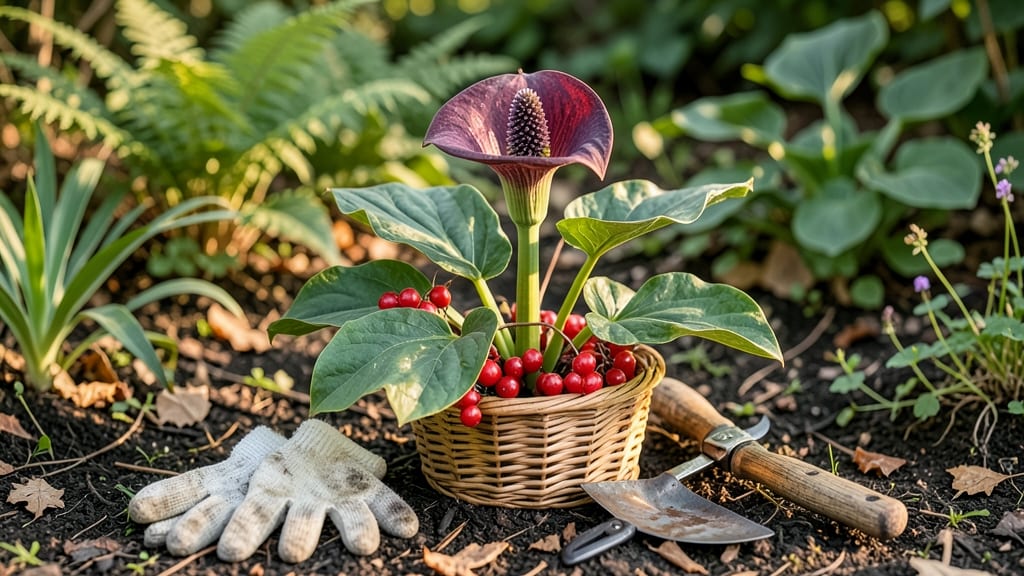
Growing jack in the pulpit fruit lets you tap into a wild, edible harvest straight from your backyard. 🌿 This native woodland plant thrives with minimal fuss—once established, it rewards you with unique fruit and tubers that taste like a cross between a potato and an artichoke when prepared right.
The key is patience: it takes 3-5 years before you’ll see fruit, but the payoff is worth it for foragers and gardeners alike.
Start with the right conditions: partial shade and rich, moist soil mimic its native woodland habitat. I’ve found it grows best under tall trees where the canopy filters sunlight, and it spreads happily through division rather than seeds.
The fruit itself is a striking red berry, but don’t eat it raw—it’s toxic until cooked properly. Think of it as nature’s hidden gem, waiting to be transformed into a gourmet treat.
Harvesting the fruit in late summer means steaming or boiling it first to remove toxins, while the tubers can be roasted like potatoes. The flavor is earthy and slightly sweet, with a texture that’s both satisfying and unique.
You’ll end up with a harvest that’s not just edible but downright delicious—once you master the cooking process.
This plant is perfect for gardeners who love native species and want to experiment with wild edibles. Just be patient: it’s a slow grower, but once it’s established, it’ll spread and reward you for years to come.
The real magic happens when you turn that wild harvest into a homegrown meal.
📚 In This Guide
- What you need
- Instructions
- Tips and common mistakes
- Wrapping up and next steps
What you need
- ● Foraging gear: 1 pair of durable gloves (to protect from irritating sap and thorns)
- ● 1 small knife or pruning shears (for harvesting fruit clusters)
- ● 1 wide-mouth basket or breathable bag (to avoid crushing delicate fruit)
- ● Identification tools: 1 field guidebook or mobile app (e.g., iNaturalist or PlantNet) for 100% positive ID
- ● 1 hand lens (10x magnification) (to inspect fruit and plant structures)
- ● Safety essentials: 1 first-aid kit (including antihistamines for potential allergic reactions)
- ● 1 water bottle (staying hydrated is key while foraging!)
- ● 1 small trowel (for digging up rhizomes if you’re harvesting roots too)
- ● 1 portable cutting board (for cleaning and prepping fruit on-site)
- ● 1 spray bottle with water (to rinse fruit and remove debris)
- ● 1 notebook or camera (to document your finds for future reference)
- ● Basic knowledge of wild edible plants (or a trusted guide to accompany you)
- ● Confirmation that the area is permitted for foraging (avoid protected lands!)
- ● Awareness of local regulations on harvesting wild plants
How to safely harvest and prepare wild jack in the pulpit fruit
This rare woodland treat needs patience and precision—here's how to find, identify, and use it properly.
🌿 Step 1: Locate and Identify Jack in the Pulpit Plants
Look for these plants in moist, shaded forests from late spring to early summer. They grow from 3-5 feet tall with hooded, green-and-purple flowers that resemble a pulpit. The fruit appears in late summer as bright red berries hidden beneath the hood.
Never harvest from areas sprayed with pesticides or near roads. The plant's scientific name, Arisaema triphyllum, is a dead giveaway—triphyllum means "three leaves," and you'll see three broad, arrowhead-shaped leaves growing from a single stem. The hood protects the fruit, so you'll need to carefully peel it back.
🌱 Step 2: Harvest the Fruit at Peak Ripeness
Wait until the berries turn a deep, glossy red—this usually happens in late August to September. The fruit should be firm but yield slightly when gently squeezed. If it's still green or mushy, leave it for another week or two.
Use a small knife or your fingers to carefully peel back the hood. The berries grow in clusters of 3-10, so you'll often harvest multiple at once. Place them in a paper bag to avoid bruising, and store in the fridge until ready to use.
⏰ Step 3: Prepare the Fruit for Cooking or Preservation
Jack in the pulpit berries contain calcium oxalate crystals, which can irritate the mouth and throat if eaten raw. Always cook them first. Remove the stems and wash the berries thoroughly, then simmer in water for 15-20 minutes until soft.
For jams or syrups, strain the cooked berries and mix with equal parts sugar to balance the tart flavor. The fruit has a unique, slightly citrusy taste that works well in small quantities. If you're making wine or tea, use 1 cup of berries per quart of liquid and simmer for 30-45 minutes.
💧 Step 4: Store or Use Immediately
Freshly cooked jack in the pulpit fruit keeps in the fridge for up to 1 week and can be frozen for 6 months if stored in airtight containers. For long-term storage, make syrup or jam—these preserve the fruit's unique flavor while reducing waste.
I like to use the cooked fruit in small amounts as a garnish for desserts or mixed into fruit salads. The color is striking, and the taste adds a subtle tang. Just remember: moderation is key—too much can be overwhelming.
✂️ Step 5: Leave the Plant Population Intact
Jack in the pulpit is a slow-growing plant, and overharvesting can harm local populations. Never take more than 20% of the berries from a single plant, and always leave at least one cluster to ensure regeneration.
If you're foraging in a public area, check local regulations—some forests prohibit harvesting wild plants. I always ask landowners for permission and leave a small offering, like a handwritten note or a few wildflowers, as a thank-you.
Tips & tricks for perfect wild jack in the pulpit fruit
Between us, harvesting and preparing jack in the pulpit fruit takes more than just finding the right berries—it's about timing, technique, and respecting the plant. Here's what I've learned from years of foraging this woodland treasure.
Timing Secret: In Step 2, the deep glossy red color is your green light—don't harvest before then! I've waited too long and found berries that were mushy and flavorless. When you see that rich hue and slight give when squeezed, that's your cue. The firmness tells you they're ready to be picked, not overripe.
Cooking Safety: Step 3's 15-20 minute simmer is non-negotiable for removing calcium oxalate crystals. I learned this the hard way after a mouthful of raw berries left my throat tingling for hours. Always simmer in plenty of water—at least 2 cups per cup of berries—and strain thoroughly before using in recipes.
Preservation Hack: For long-term storage beyond the 6 months mentioned in Step 4, try making a simple syrup with equal parts sugar and water. Simmer the cooked berries with the syrup for 10 minutes, then store in sterilized jars. This concentrated version keeps for up to a year and adds a beautiful pop of color to cocktails or desserts.
Ethical Harvesting: When you're harvesting in Step 2, remember the 20% rule from Step 5 applies to each cluster. I always mark plants I harvest from with a small flag so I don't accidentally take more next time. This rare woodland plant needs our protection just as much as we need its fruit.
Pro Tips for Jack In The Pulpit Fruit
- Between us, harvesting and preparing jack in the pulpit fruit takes more than just finding the right berries—it's about timing, technique, and respecting the plant.
- Timing Secret: In Step 2, the deep glossy red color is your green light—don't harvest before then!
- Cooking Safety: Step 3's 15-20 minute simmer is non-negotiable for removing calcium oxalate crystals.
Frequently asked questions
Got questions about harvesting and enjoying jack-in-the-pulpit fruit? You’re not alone!
Here are answers to the most common queries from foragers, chefs, and curious foodies alike.
Can you eat jack-in-the-pulpit fruit raw?
Nope—never eat it raw! The fruit (and plant) contains calcium oxalate crystals, which can irritate your mouth and throat. Always cook it thoroughly to neutralize these compounds. Think of it like cooking rhubarb—safety first!
When is the best time to harvest jack-in-the-pulpit fruit?
The ideal window is late summer to early fall (August–October), when the red berries turn bright and plump. Harvest them after the first frost for the best flavor, but before they shrivel. Pro tip: Wear gloves! The sap can cause skin irritation.
What’s the easiest way to cook jack-in-the-pulpit fruit?
Simplest method? Simmering! Cut the berries in half, remove the seeds, and boil them in water for 10–15 minutes until soft. Strain the liquid (it’s not drinkable raw!) and use it like a thick syrup in pies, sauces, or as a glaze for meats. Warning: Taste-test small amounts first—some people are more sensitive than others.
Are there non-toxic alternatives if I can’t find jack-in-the-pulpit?
Try these wild edibles with similar earthy-sweet flavors:
- Wild grapes (cooked into jams)
- Blackberries (versatile for pies/sauces)
- Serviceberry fruit (mild, tart-sweet)
- Elderberries (must be cooked; never raw!)
What should I do if I accidentally eat it raw or feel sick?
If you experience mouth irritation, swelling, or nausea, rinse your mouth with water and drink milk or eat starchy foods (like bread) to bind the oxalates. For severe reactions (difficulty breathing, vomiting), seek medical help immediately. When in doubt, cook it first!
Wrapping up and next steps
Discovering jack in the pulpit fruit in the wild isn’t just about foraging—it’s a rewarding connection to nature’s hidden treasures! 🌿 Whether you’re a seasoned forager or just starting, this unique fruit offers a taste of the wild with its distinctive flavor and nutritional perks.
Remember to harvest responsibly, respect local ecosystems, and always double-check identification to ensure safety.
Now that you’re equipped with the knowledge, why not plan your next foraging adventure? Grab your basket, hit the trails, and savor the thrill of uncovering nature’s secrets—one jack in the pulpit fruit at a time! 🌟