
Vegetables
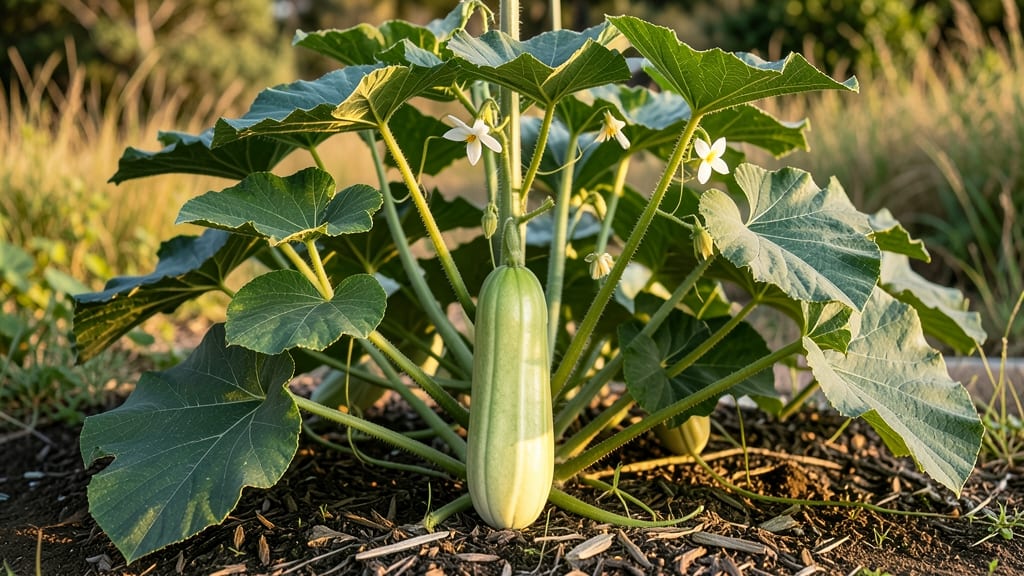
Winter melon is a fruit botanically, classified as a gourd in the Cucurbitaceae family, though it’s often used like a vegetable in cooking for its mild, crisp texture and hydrating properties.
Botanically speaking, winter melon is absolutely a fruit because it develops from the ovary of a flowering plant and contains seeds. 🌱 However, its culinary role often blurs this line—many cultures treat it like a vegetable due to its savory applications in soups and stir-fries.
The confusion stems from how we categorize foods: fruits are typically sweet, while winter melon's neutral flavor and fibrous texture make it more versatile in savory dishes. This dual classification isn't unique—think of tomatoes or bell peppers, which also straddle the fruit-vegetable divide.
What makes winter melon particularly interesting is how its immature stage—when it's harvested for eating—enhances its culinary value. 🥒 Unlike pumpkins or cucumbers, which are eaten at different ripeness levels, winter melon's crispness and mild sweetness peak when young.
This botanical quirk explains why it's prized in Asian cuisine, where it's often simmered in soups or lightly stir-fried to preserve its hydrating properties. The key takeaway? Classification isn't just about science—it's also about how we use food.
💡 In This Article
- Botanical Classification of Winter Melon as a Fruit
- Culinary Uses and Health Benefits of Winter Melon
Botanical classification of winter melon as a fruit
Winter melon, or Benincasa hispida, belongs to the Cucurbitaceae family—same as cucumbers, pumpkins, and squash—making it a true fruit by botanical standards. 🌱 The defining feature is its development: like all fruits, it forms from the fertilized ovary of a flowering plant, enclosing seeds inside.
When you cut open a winter melon, you’ll see the central cavity packed with flat, black seeds, a clear sign of its fruit classification. These seeds are actually the plant’s reproductive structures, just like in cucumbers or zucchinis.
The confusion arises because winter melon’s immature stage—when harvested for eating—lacks the sweetness typical of fruits like mangoes or apples. Instead, it offers a mild, slightly sweet flavor with a crisp, watery texture. 🥒 This neutral profile is why it’s often treated as a vegetable in cooking.
For comparison, cucumbers (also fruits) are harvested young for their crunch, while pumpkins (also fruits) are eaten mature and sweet. Winter melon bridges this gap by being harvested at an intermediate stage where its flesh is firm yet hydrating.
Scientifically, the key difference lies in the plant’s reproductive purpose.
Fruits evolve to protect seeds and aid in their dispersal, which winter melon does—its hard outer rind and fibrous interior serve this role. 🌿 However, its culinary versatility stems from its high water content (about 96% of its weight) and low sugar concentration, making it ideal for savory dishes.
This dual nature isn’t unique; even tomatoes, classified as fruits, are used in salads and sauces as "vegetables."
Another clue is its growth pattern: winter melon vines produce large, single-stemmed fruits that grow horizontally, similar to other gourds.
The rind’s waxy texture and ribbed surface further resemble cucumbers or squash, reinforcing its botanical ties. 🌱 Yet, unlike these relatives, winter melon’s flesh remains firm and slightly fibrous even when cooked, which is why it’s prized in soups and stir-fries where texture matters more than sweetness.
Harvesting timing plays a critical role in its classification. When fully mature, winter melon develops a harder rind and sweeter flesh, resembling a pumpkin. But for culinary use, it’s picked young—before the seeds fully develop—when its water content peaks and the texture is crisp.
This early harvest is what gives it the mild, almost neutral flavor that makes it a blank canvas for savory dishes.
To put it simply: winter melon is a fruit by science, but a vegetable by kitchen behavior.
This isn’t just semantics—it reflects how food classification blends biology with culture. 💡 The same logic applies to eggplants, avocados, and bell peppers, all of which are fruits but used like vegetables in most cuisines.