
Fertilization
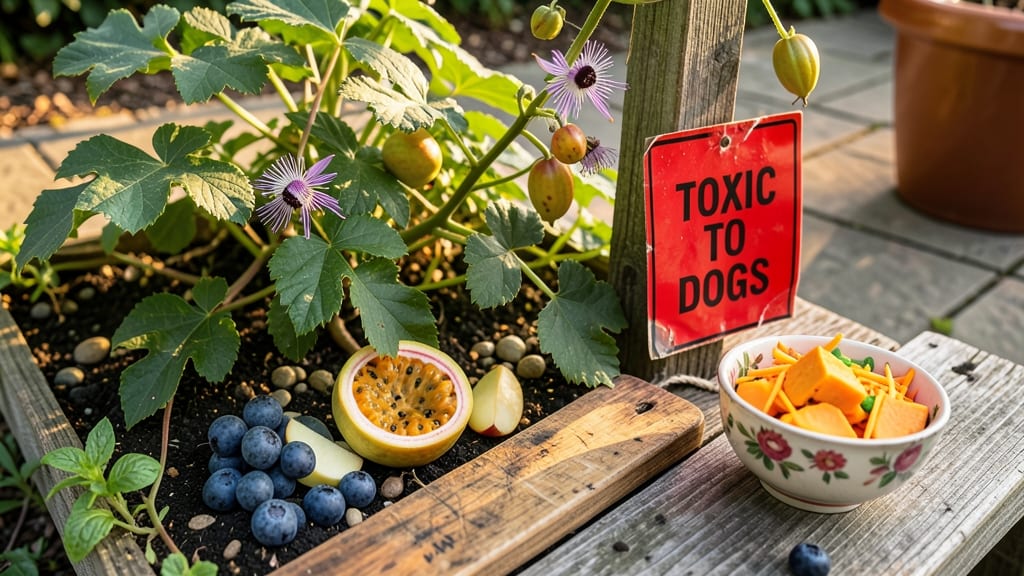
Passion fruit is okay for dogs in small amounts, as it contains no toxic compounds, but its high fiber and sugar content should be limited to avoid digestive upset or weight gain. Always remove seeds and rind first.
Passion fruit isn't toxic to dogs, but the real concern lies in its natural sugars and fiber content, which can cause stomach upset if overfed. 🌟 The seeds and rind pose additional risks—seeds may become choking hazards, while the rind contains small amounts of cyanogenic glycosides that could irritate your dog's digestive system.
For perspective, a single small piece (about 1-2 teaspoons) is a safe treat for a medium-sized dog, but always introduce new foods gradually. Veterinarians often recommend starting with just a tiny taste to monitor for any adverse reactions, especially in dogs with diabetes or weight issues.
What sets passion fruit apart from other tropical fruits is its acidic pulp, which some dogs find appealing but can also trigger mild acid reflux in sensitive stomachs. Unlike mango or papaya—which are generally safer in larger portions—passion fruit's concentrated sweetness means moderation is key.
If you're unsure, opt for seedless, pulp-only portions and watch your dog's reaction closely for the first 24 hours.
💡 In This Article
- Passion Fruit Toxicity and Nutritional Facts for Dogs
- Safe Ways to Feed Passion Fruit to Dogs
Passion fruit toxicity and nutritional facts for dogs
Passion fruit isn't inherently toxic to dogs, but its nutritional profile creates potential risks when consumed in excess.
The pulp contains natural sugars (about 10-15 grams per 100 grams) and dietary fiber (around 10-12 grams per 100 grams), which can trigger digestive upset like diarrhea or gas when overfed.
The real danger lies in the seeds and rind—seeds contain cyanogenic glycosides in trace amounts, while the fibrous rind can cause blockages or irritation. 🌟
Compared to other tropical fruits, passion fruit stands out for its concentrated sweetness. For example, mango contains about 5 grams of sugar per 100 grams and is generally safer in larger portions, while papaya has 3-4 grams of sugar and a softer texture.
Passion fruit's acidic pulp (pH ~3.5) also makes it more likely to cause mild acid reflux in dogs with sensitive stomachs. The oxalates present in small amounts could contribute to kidney strain in dogs prone to urinary issues.
What happens when a dog eats too much? The high fiber content can lead to bloating within 6-12 hours, while excess sugar may cause a temporary spike in blood glucose levels.
Some dogs experience vomiting or lethargy as their systems struggle to process the unfamiliar concentration of nutrients. 💛 The seeds, though not highly toxic, pose a choking hazard or could cause intestinal irritation if swallowed whole.
Here's how passion fruit compares to other common dog treats:
- Sugar content: Passion fruit (10-15g/100g) vs. apple (10g/100g) or banana (12g/100g)
- Fiber content: Passion fruit (10-12g/100g) vs. blueberries (2.4g/100g)
- Acidity level: Passion fruit (pH ~3.5) vs. pineapple (pH ~4.0)
The key difference is passion fruit's dual-risk profile—both the natural sugars and fiber work together to create digestive stress when consumed in large amounts. This is why veterinarians recommend treating it as a occasional snack rather than a regular part of a dog's diet. 🌟
For dogs with pre-existing conditions, the risks increase. Diabetic dogs should avoid passion fruit entirely due to its sugar content, while dogs with kidney issues may experience oxalate-related strain.
Always consult your vet before introducing new foods, especially for senior dogs or small breeds that are more sensitive to dietary changes.