
Vegetables
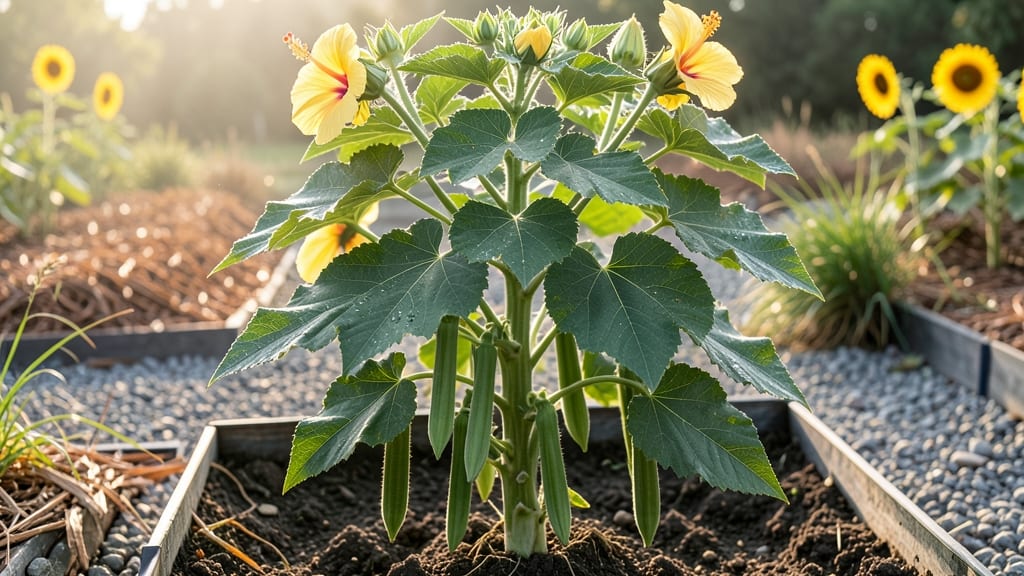
Okra is botanically a fruit because it develops from the flower’s ovary and contains seeds, yet it’s treated as a vegetable in culinary contexts due to its savory taste and texture in cooking.
This classification confusion isn't uncommon—many foods like tomatoes and bell peppers fall into the same botanical category. 🌱 The key difference lies in how we use them: okra’s savory profile and fibrous texture make it function like a vegetable in recipes, even though it grows from flowers and contains multiple seeds.
In Southern cooking, for example, okra’s ability to thicken stews without overpowering flavors earns it a vegetable role, despite its botanical origins.
What’s fascinating is how this dual classification plays out in nutrition too. While botanically a fruit, okra’s high fiber content (about 3 grams per 100 grams) and low calorie count make it behave more like a vegetable in dietary contexts.
This duality isn’t just academic—it affects how we cook with it, from crispy fried okra to hearty gumbo, where its texture and mild flavor shine as a vegetable would.
💡 In This Article
- Botanical Classification: Why Okra Is a Fruit
- Culinary Uses of Okra as a Vegetable
Botanical classification: why okra is a fruit
Okra's botanical classification as a fruit stems from its reproductive biology. Like all true fruits, okra develops from the fertilized ovary of a flower, containing multiple seeds arranged in a central cavity.
When you examine an okra pod, you'll notice the small, round seeds embedded in a gelatinous interior - this is the defining botanical feature that places it in the fruit category alongside tomatoes and cucumbers. 🌱 The process begins when the flower's stigma receives pollen, triggering ovary development that eventually becomes the edible pod.
The confusion arises because botanists define fruits based on plant reproduction, while chefs classify foods by taste and culinary function. Okra's pods form through a process called simple fruit development, where a single ovary matures into the edible structure.
Compare this to aggregate fruits like raspberries (multiple ovaries) or multiple fruits like pineapples (merged flower clusters) - okra fits neatly into the simple fruit category. Its 1-2 inch pods contain 5-10 seeds per pod, clearly demonstrating its fruit nature.
What makes this classification particularly interesting is how okra shares this botanical status with other foods we commonly call vegetables. Tomatoes, bell peppers, and eggplants all develop from flowers and contain seeds, yet we use them as vegetables in cooking.
The key difference is that okra's pods are hollow and fibrous, with a texture more aligned with vegetable usage than sweet fruits like apples or peaches. This dual classification isn't unique to okra - it's a common theme in plant taxonomy that often surprises home cooks.
The scientific distinction becomes clearer when examining okra's plant family - Malvaceae, which also includes hibiscus and cotton. Like these relatives, okra's fruit develops from a five-part ovary, with each section containing one or more seeds.
The pod's outer wall thickens as it matures, creating that familiar slimy texture when cooked, which is actually a natural thickening agent in many cultures. This biological process is identical to how other botanical fruits develop their protective layers around seeds.
What most people don't realize is that okra's classification affects how we understand its growth patterns. The plant produces flowers that bloom overnight, with the ovary beginning its transformation into a fruit within 24 hours of pollination.
This rapid development explains why okra pods grow so quickly - they're designed to mature before the plant's energy shifts to other functions. The seeds inside remain dormant until conditions are right for germination, completing the plant's reproductive cycle.
For those interested in the science, okra's fruit classification can be verified by examining its pericarp - the wall of the fruit that develops from the ovary. In okra, this pericarp is divided into five sections (carpels) that fuse together, creating the characteristic shape.
This structure is identical to other botanical fruits like okra's cousin, the cotton plant, where the pericarp becomes the cotton fiber we harvest.