
Vegetables
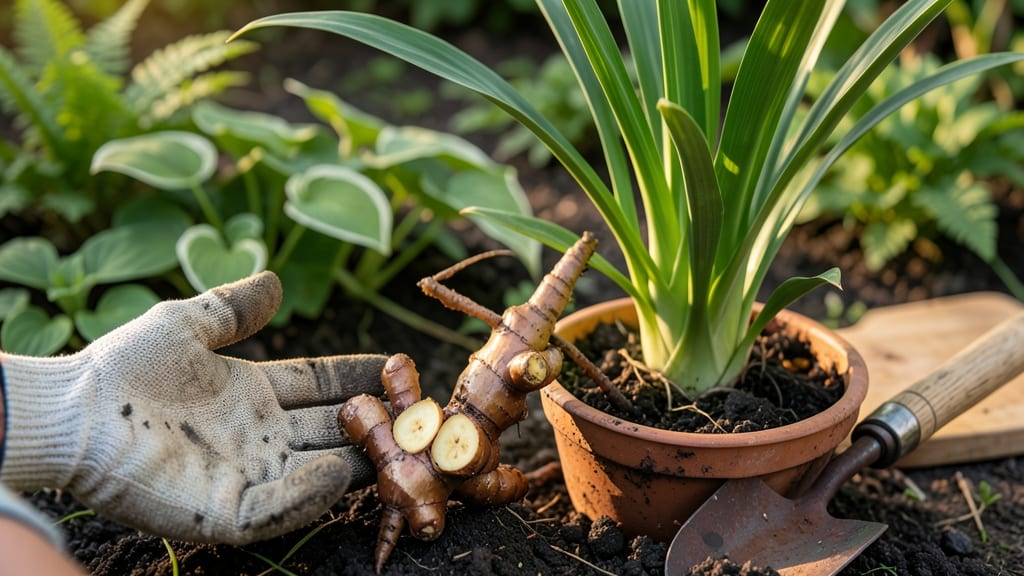
Ginger isn’t classified as a fruit or vegetable in cooking—it’s a rhizome, the thick underground stem of the Zingiber officinale plant, prized for its spicy kick and healing properties. Botanically, it’s a modified stem, not a root or fruit.
Ginger’s unique status comes from its growth pattern: instead of growing straight down like carrots or storing energy like potatoes, it spreads horizontally underground, forming nodes that can sprout new plants. 🌱 This makes it a rhizome, similar to turmeric or galangal, which also belong to the Zingiberaceae family.
In the kitchen, you’ll often see it used like a spice or vegetable, but its botanical classification tells a different story—one rooted in how plants store and grow.
When you’re cooking with ginger, think of it as a versatile rhizome rather than a fruit or vegetable. It’s commonly peeled, grated, or powdered for dishes like stir-fries, teas, and baked goods, thanks to its sharp, zesty flavor.
Beyond taste, it’s packed with anti-inflammatory compounds, making it a staple in both traditional medicine and modern wellness routines. The confusion often comes from how we use it in recipes—even though it’s not a vegetable, it behaves like one in the kitchen!
💡 In This Article
- Botanical Classification of Ginger as a Rhizome
- Culinary and Nutritional Uses of Ginger
Botanical classification of ginger as a rhizome
Ginger belongs to the Zingiberaceae family, which includes other rhizomatous plants like turmeric and galangal. Unlike fruits (which develop from flowers) or vegetables (broad term for edible plant parts), ginger grows as a rhizome—a horizontal, underground stem that stores nutrients and produces shoots.
This modified stem system allows ginger to spread and regenerate, forming new plants from its nodes when conditions are right. 🌱
The key difference lies in its growth structure: while carrots are roots (growing downward for water absorption) and potatoes are tubers (thickened underground stems for storage), ginger’s rhizome grows sideways, with each segment containing buds that can develop into new plants.
When you see ginger in stores, you’re looking at these knobby, finger-like segments—each one a potential new plant if planted!
Scientifically, ginger’s classification as a rhizome explains why it lacks the reproductive structures of fruits (like seeds) or the storage functions of tubers. Its Zingiber officinale species produces tall, leafy stalks topped with purple flowers, but the edible part—the rhizome—is purely a modified stem.
This is why botanists classify it separately from both fruits and vegetables, despite its culinary versatility. 🌿
Comparing ginger to similar rhizomes like turmeric reveals shared traits: both are perennial plants that regrow yearly from their underground stems. However, ginger’s rhizome is typically more rough-skinned and knobby, while turmeric’s is smoother and more orange.
These differences highlight how even within the same family, rhizomes can vary in texture and appearance while serving the same underground growth function.
What’s fascinating is how ginger’s rhizome structure enables its propagation. Gardeners often use small pieces of ginger to grow new plants—simply planting a 1-inch segment with buds ensures a high success rate.
This natural regeneration process is a direct result of its rhizomatous nature, distinguishing it from plants that rely on seeds or true roots for reproduction. 🌱
Understanding this classification also explains why ginger behaves differently in cooking. Unlike roots (which are often starchy) or tubers (which can be mealy), ginger’s fibrous, stringy texture comes from its stem structure.
This is why it’s often peeled before use—its outer layer can be tough and less flavorful than the tender interior. 🍋