
Pruning
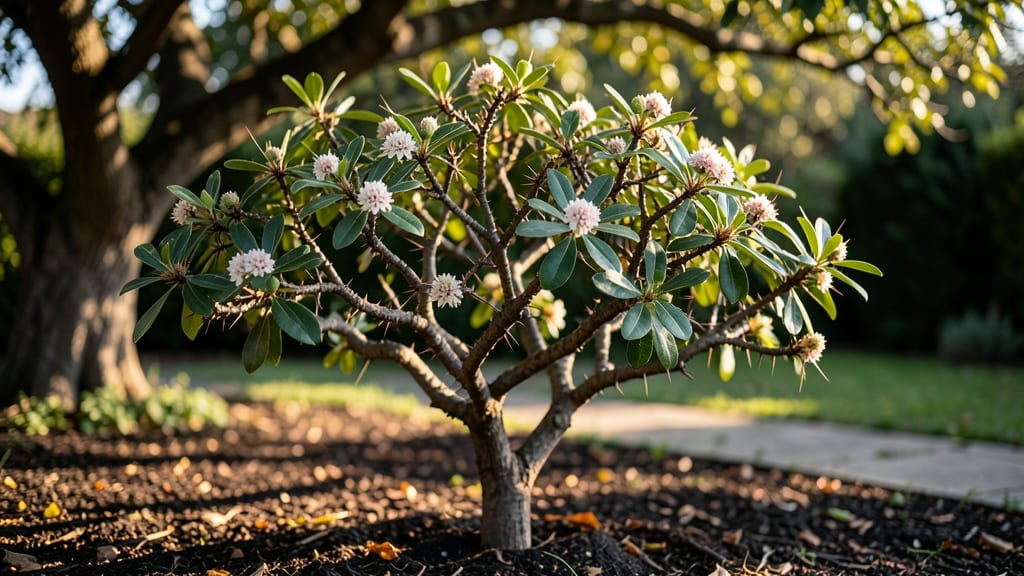
Your Indian tree fruit harvests could double with just year-round pruning—the secret weapon behind lush mango groves and heavy jackfruit branches. 🌿 I’ve spent years watching how traditional Indian cultivators shape these trees, and the difference between a good harvest and an exceptional one often comes down to timing and technique.
Most gardeners prune only during the monsoon or winter, but strategic cuts in every season keep trees productive, healthy, and resistant to pests. For mangoes, the key is removing dead wood in summer and shaping branches in late winter—just before the blooms appear.
Jackfruit trees benefit from light trimming after harvest to encourage new shoots, while tamarind thrives when you thin out crowded branches in spring.
What you’ll end up with is fruit trees that bear earlier, heavier, and more consistently—not to mention better air circulation that cuts down on fungal diseases.
The pruning itself takes about 30 minutes per tree, and the tools you need (sharp shears, gloves, and a ladder) are simple to find. Even in small backyards, these techniques work wonders.
Works for all major Indian fruit trees—mango, jackfruit, tamarind, guava, and more—regardless of whether you’re in Kerala’s humid tropics or Punjab’s cooler climate. The principles adapt easily, so let’s get those branches in shape for next season’s bounty.
📚 In This Guide
- What you need
- Instructions
- Tips and common mistakes
- Wrapping up and next steps
What you need
- ● Pruning shears: Bypass pruners (sharp, 6-8 inch blades) – 1 pair
- ● Loppers: For thicker branches (20-24 inch, 1 pair)
- ● Pruning saw: Curved-tooth saw for large branches (1)
- ● Gloves: Heavy-duty, cut-resistant (1 pair)
- ● Disinfectant: 70% isopropyl alcohol or bleach solution (for sterilizing tools)
- ○ Pruning sealant: Tree wound paint (optional, for large cuts)
- ● Tarp or drop cloth: To collect debris (1-2)
- ● Trash bags: Heavy-duty, for pruned branches (2-3)
- ● Ladder: Extendable, 12-16 ft (if trees are tall)
- ● Safety gear: Goggles, long sleeves, and sturdy shoes
- ● Basic knowledge of tree anatomy (e.g., identifying water sprouts, deadwood)
- ● Weather check: Prune on a dry, cloudy day (avoid frost or extreme heat)
- ● Tree health assessment: Look for pests/diseases before pruning
Step-by-Step year-round pruning for Indian tree fruit
Here's how to keep your Indian tree fruit productive through all seasons with strategic, science-backed pruning.
✂️ Step 1: Assess the Tree Structure in Late Winter
Start your pruning cycle in late winter (just before buds swell) when the tree is dormant but you can clearly see its framework. Your goal is to open the canopy to sunlight and air—Indian tree fruit thrives when branches receive 6+ hours of direct light daily. Look for dead, crossing, or diseased branches first; these should be removed completely at the branch collar.
Use sharp, clean pruners to make cuts at a 45-degree angle just outside the branch collar. Avoid leaving stubs—this invites rot and weakens the tree. I always start with the thinnest branches first, working my way up to thicker limbs. This prevents overstressing the tree and gives you a clear view of what remains.
☀️ Step 2: Thin the Canopy in Early Spring
Once new growth appears (around March-April), focus on thinning the canopy to improve fruit quality and size. Remove suckers (shoots growing from the base or trunk) immediately—they drain energy from fruit production. For Indian tree fruit, aim to space branches 12-18 inches apart to allow sunlight to penetrate.
Target branches that grow inward or rub against others. These compete for sunlight and often produce smaller, lower-quality fruit. Cut back to the nearest outward-facing bud or branch. Here's the thing—never remove more than 25% of the canopy in one session. You'll see the difference in fruit size and yield within a season.
✂️ Step 3: Light Pruning After Harvest
After the main harvest (typically late summer), give your tree a light maintenance prune to remove any broken, diseased, or overcrowded branches. This keeps the tree healthy and prepares it for the next flowering cycle. Focus on water sprouts (fast-growing, vertical shoots) and weak growth—these rarely produce quality fruit.
Use hand pruners for branches under ½ inch thick and a pruning saw for thicker limbs. Always disinfect your tools with 70% isopropyl alcohol between cuts to prevent spreading disease. I like to do this in early fall, giving the tree time to heal before winter dormancy.
⏰ Step 4: Winter Dormancy Prep (Optional but Recommended)
In late fall, if your climate experiences frost, give your tree a light structural prune to remove any weak or damaged wood. This prevents ice buildup on branches and reduces winter stress. Avoid heavy pruning now—the tree needs all its energy to survive cold snaps.
Wrap the trunk with tree wrap (available at garden centers) to protect it from sunscald and pests. I also apply a thin layer of mulch (2-3 inches) around the base, keeping it 6 inches away from the trunk. This insulates roots while allowing airflow to prevent rot. Your tree will reward you with stronger growth and bigger harvests the following year.
Tips & tricks for perfect year-round Indian tree fruit pruning
Took me years to perfect these pruning strategies—here's what nobody tells you about keeping your Indian fruit trees thriving through every season.
Timing is Everything: The late winter assessment in Step 1 is your foundation. I can't stress enough how critical it is to prune just before buds swell—this timing prevents stressing the tree while it's still dormant. If you're in a warmer climate where buds swell earlier, shift your pruning to February instead of March. The key is to catch the tree in that perfect dormant-but-awakening state where it can heal quickly.
Branch Spacing Secret: When thinning the canopy in Step 2, think of your tree's branches like the leaves of a book—you want them spaced just enough to let sunlight penetrate to the center. That 12-18 inch spacing isn't arbitrary: it's the ideal distance for Indian fruit trees to develop quality fruit. Use a tape measure to check spacing after each cut. I've seen trees with branches packed too tightly produce fruit that's half the size and full of disease—don't let that happen to yours.
Tool Maintenance Matters: The instructions mention disinfecting tools, but here's what nobody tells you: your pruning tools should be sharper than a chef's knife. Dull tools crush branches instead of making clean cuts, which invites infection. I keep a small file in my pruning kit to sharpen blades between uses. For branches over ½ inch thick, I use my pruning saw with a fresh blade—old blades tear wood fibers, creating perfect entry points for pests.
Winter Protection Upgrade: While the instructions mention tree wrap and mulch, consider adding a layer of reflective mulch (like aluminum foil wrapped around the trunk) in extremely cold climates. This creates a microclimate that can raise trunk temperatures by up to 10 degrees Fahrenheit, protecting against frost cracks. Just make sure to remove it in early spring before new growth starts—you don't want to trap heat once the tree becomes active.
Pro Tips for Indian Tree Fruit
- Took me years to perfect these pruning strategies—here's what nobody tells you about keeping your Indian fruit trees thriving through every season.
- Timing is Everything: The late winter assessment in Step 1 is your foundation.
- Branch Spacing Secret: When thinning the canopy in Step 2, think of your tree's branches like the leaves of a book—you want them spaced just enough to let sunlight penetrate to the center.
Frequently asked questions
Got questions about growing Indian tree fruit? You’re not alone! Here are some of the most common queries—and their answers—to help you master year-round pruning and boost your harvests.
When is the best time to prune Indian tree fruit?
The ideal time to prune is late winter or early spring (before new growth starts), but light pruning can happen year-round. Avoid heavy pruning during fruiting season to prevent stress. For tropical varieties, prune after harvest to encourage new branches.
How do I know if I’m pruning correctly?
Look for open-centered canopies with sunlight reaching the center. Remove dead, diseased, or crossing branches first. Thin out excess growth to improve airflow—this reduces pests and boosts fruit quality. If your tree looks "hairy" with too many small branches, you’re overdoing it!
Will pruning reduce my fruit yield?
Not if done right! Proper pruning increases yield by directing energy to healthier, more productive branches. Over-pruning (cutting >25% of foliage at once) may temporarily reduce fruit, but strategic cuts improve long-term harvests. Focus on structural pruning first.
What if my Indian tree fruit isn’t bearing fruit?
Check these fixes:
- Age: Young trees (under 3–5 years) may not fruit yet.
- Pollination: Hand-pollinate if bees are scarce (use a soft brush).
- Nutrients: Test soil for nitrogen, phosphorus, and potassium—lack of these can stunt fruiting.
- Pruning balance: Too much pruning can delay fruiting; aim for 10–20% annual cuts.
Can I prune Indian tree fruit without special tools?
Basic hand pruners work for small branches, but for thicker stems, invest in bypass pruners or a pruning saw. Sterilize tools with rubbing alcohol between cuts to prevent disease spread. For hard-to-reach branches, a pole pruner (or even a sturdy knife) can help!
Wrapping up and next steps
Indian tree fruits—like mangoes, jackfruits, and guavas—thrive with year-round pruning, ensuring healthier growth and bountiful harvests. 🌿 By mastering the right techniques and timing, you’re not just trimming branches; you’re investing in the long-term vitality of your orchard.
Whether you’re a seasoned gardener or just starting, consistent care pays off—so grab those shears and get pruning!
Ready to take it further? Start small—pick one tree, apply these tips, and track your progress. Over time, you’ll build confidence and expand your skills to transform your entire orchard into a fruit-bearing paradise!