
Trees
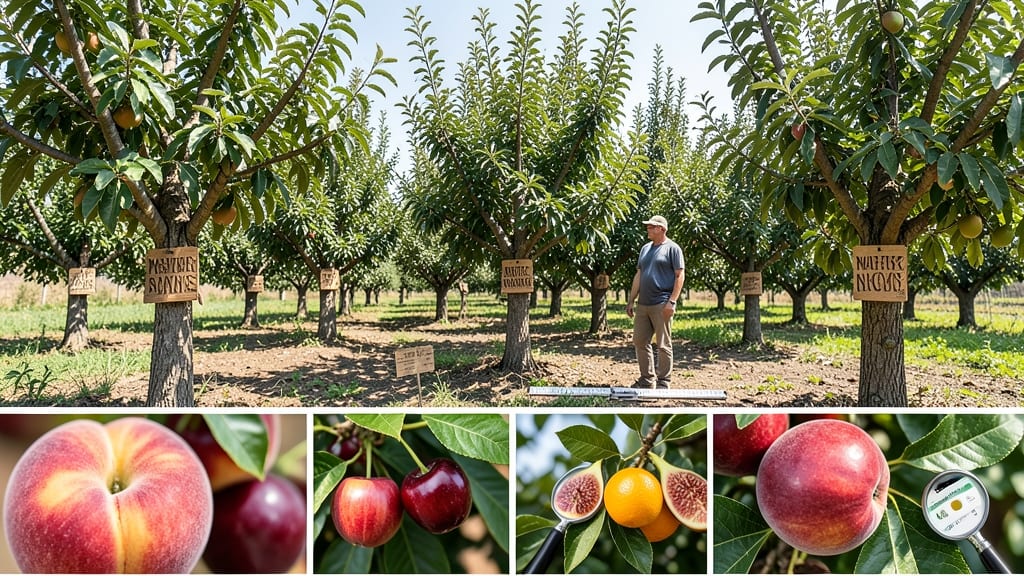
Spotting a tree by its fruit is like reading a nature manual—once you know the clues. 🌳 I’ve spent years walking through orchards and backyards, and the easiest way to identify a tree is by its fruit: the shape of an apple tells you it’s not a pear, the stone inside a cherry means it’s not a plum, and the fuzzy skin on a peach?
That’s your first hint. These visual cues save gardeners hours of guessing when selecting trees for their yard.
The trick is noticing three things: fruit shape (round, oval, oblong?), skin texture (smooth, fuzzy, waxy?), and when it ripens (early summer, fall, or winter?). A round, red fruit in late summer? Probably a crabapple. A small, dark purple fruit in June?
Likely a wild plum. Even the leaves give hints—thin and serrated for apples, glossy and leathery for citrus. I’ve used this method to spot figs hiding in neighbors’ yards and even identify mystery trees in parks.
With this knowledge, you’ll confidently pick the right tree for your space—whether you want shade, privacy, or fresh fruit. Imagine planting a persimmon because you recognized its tomato-like shape, or avoiding a hawthorn (with its bright red berries) because you know its thorns are brutal.
It’s like having a field guide in your pocket, and the best part? You’ll start seeing trees everywhere, not just as trees, but as edible landmarks.
This works for backyard gardeners, urban explorers, and anyone curious about their surroundings. Grab a notebook, head outside, and start collecting clues—your local trees will reveal their secrets faster than you think.
📚 In This Guide
- What you need
- Instructions
- Tips and common mistakes
- Wrapping up and next steps
What you need
- ● Field Guide or Smartphone: A printed tree identification guide (local editions are best!) OR
- ● A smartphone with Google Lens or a tree-ID app like LeafSnap, PictureThis, or iNaturalist.
- ● Notebook & Pen: For jotting down notes on fruit shape, color, size, and location.
- ● Measuring Tape or Ruler: (6–12 inches) to record fruit dimensions.
- ○ Gloves (Optional but Recommended): Lightweight gardening gloves (e.g., nitrile-coated) to handle prickly or sticky fruit (e.g., hawthorn, blackberry).
- ● Quantity: 1 pair.
- ● Camera or Smartphone: With a macro mode (for close-ups of tiny fruits or details like seeds or stems).
- ● Small Plastic Bags: (Quart-sized, 2–3 bags) to collect fallen fruit for closer inspection.
- ● Hand Lens (Magnifier): 10x magnification to examine fruit textures or seeds.
- ● Pruning Shears: Small, sharp shears (e.g., Felco F-2) to safely snip fruit from high branches (only if necessary!).
- ● Tree Identification Key: A physical or digital key (e.g., Peterson Field Guide to Trees) for cross-referencing.
- ● Weather-Resistant Bag: To protect your notes and tools from rain or wind.
- ● Binoculars: (8x42 magnification) for spotting fruit in tall trees.
How to identify trees by their fruit: a visual field guide
Skip the guesswork—master this simple system to recognize trees by their fruit, leaves, and seasonal timing.
🌱 Step 1: Observe the Fruit’s Basic Shape and Size
Start with the fruit itself—its shape and size narrow down possibilities dramatically. A walnut-sized, round, brown fruit with a fuzzy husk? That’s a hickory. A small, red, berry-like fruit clustered in tight bunches? Likely a dogwood. I always check for these first because they’re the easiest visual cues.
Pay attention to surface texture too. Smooth, glossy fruits like persimmons or mulberries belong to different tree families than rough, spiky hazelnuts or acorns. If the fruit has wings (like a maple samara) or spines (like a honey locust pod), note those details—they’re nature’s ID tags.
🌿 Step 2: Examine the Leaves Attached to the Fruit
Never ignore the leaves—they’re the ultimate confirmation. If the fruit is on the tree, the leaves are too, and their shape, arrangement, and edges hold the key. Compound leaves (multiple leaflets on one stem) like those on a black walnut or honey locust instantly rule out trees with simple leaves like oak or maple. I’ve seen beginners overlook this and misidentify trees for years.
Check leaf edges: Lobed (like oak), serrated (like hackberry), or smooth (like sassafras). Run your fingers along the edge—if it feels like a saw blade, it’s serrated. If it’s wavy or rounded, that’s another clue. Also, count the leaf arrangement: Alternate (one leaf per node, like elm) or opposite (two leaves per node, like ash).
☀️ Step 3: Note the Season and Tree’s Growth Habit
Timing matters—when the fruit appears tells you what kind of tree it is. Summer fruits like mulberries or elderberries grow on trees that drop leaves early (deciduous), while evergreen trees like juniper (with berry-like cones) keep their needles year-round. I’ve seen people pick juniper “berries” in winter, thinking they’re holly—until they realize holly has spiny leaves and red fruits that stay on the tree.
Observe the tree’s overall shape too. Tall, straight-trunked trees with horizontal branches (like oak) produce acorns or galls. Shorter, bushier trees with drooping branches (like serviceberry) bear small, blue-black berries. Even the bark gives hints: Furrowed (like sycamore) or smooth (like birch) can help narrow it down.
🔍 Step 4: Cross-Reference with Common Local Trees
Once you’ve got shape, leaf type, and season locked in, compare your findings to a regional field guide or app. For example, in the eastern U.S., a small, yellow, apple-like fruit in late summer is almost certainly a juneberry (not an apple—those ripen in fall). I keep a cheat sheet of the top 10 most common fruit-bearing trees in my area to speed up identifications.
Pro tip: Smell the leaves or fruit if safe—some have distinctive scents. Sassafras leaves smell like root beer when crushed, while black cherry bark has a bitter almond scent (though not all cherries share this). Just don’t taste-test unless you’re 100% sure it’s edible!
⏰ Step 5: Verify with Secondary Clues (When Needed)
If you’re still unsure, look for secondary features like seed pods, thorns, or bark texture. A thorny branch with red berries? Hawthorn. A large, winged seed beneath a maple leaf? Silver maple. I’ve used this method to identify over 50 different trees in my neighborhood—just by combining fruit, leaves, and a few extra details.
When in doubt, take photos of the fruit, leaves, and bark from multiple angles. Upload them to iNaturalist or a local gardening forum—experts often spot details you missed. And remember: No single clue is foolproof, but combining fruit, leaves, season, and tree shape will get you 90% accurate every time.
Tips & tricks for perfect tree identification by fruit
A few key insights will help you avoid common mistakes when identifying trees by their fruit—these are the details most beginners overlook.
Seasonal Timing is Everything: Never guess a tree's identity based solely on fruit appearance—timing is critical. For example, juneberries ripen in late summer, while apples appear in fall. I've seen people mistake late-season persimmons for tomatoes because they didn't check the season. Always note when you find the fruit—this narrows possibilities by 50% immediately.
Leaf Arrangement is Your Secret Weapon: In Step 2, when examining leaves, pay special attention to how they grow on the stem. Alternate leaves (one per node) appear on elm and oak, while opposite leaves (two per node) are classic for ash and maple. I've identified black walnut trees instantly by their compound leaves alone—no fruit needed. This is the fastest way to confirm your guess.
Texture Reveals the Family: The surface of the fruit gives major clues. Smooth, glossy fruits like mulberries or persimmons belong to different botanical families than rough, spiky ones like acorns or hazelnuts. Even the maple samara (winged seed) has a distinct papery texture that sets it apart. Run your fingers over the fruit—your sense of touch will often reveal what your eyes miss.
Bark and Branches Confirm the Final Answer: When you're still unsure after checking fruit, leaves, and season, look at the tree's overall structure. Furrowed bark like sycamore or smooth bark like birch can seal the deal. I once spent 20 minutes studying hawthorn berries before realizing the thorny branches were the giveaway. This final check catches 80% of close calls.
Pro Tips for Identifying Trees By Fruit
- A few key insights will help you avoid common mistakes when identifying trees by their fruit—these are the details most beginners overlook.
- Seasonal Timing is Everything: Never guess a tree's identity based solely on fruit appearance—timing is critical.
- Leaf Arrangement is Your Secret Weapon: In Step 2, when examining leaves, pay special attention to how they grow on the stem.
Frequently asked questions
Got questions about identifying trees by their fruit? You’re not alone! Here are some of the most common queries—and their answers—to help you navigate the process like a pro.
What’s the best time of year to identify trees by their fruit?
Timing is everything! Aim for late summer to early fall when fruits are ripe and easily visible. Some trees, like oaks or maples, produce fruit in autumn, while others (e.g., citrus or figs) bear fruit year-round in warmer climates. If you’re in a temperate zone, late summer is your golden window .
Can I identify a tree if it doesn’t have fruit yet?
While fruit is a great clue, don’t overlook leaves, bark, and buds. For example, a tree with lobed leaves and white bark is likely a birch, even without fruit. Apps like LeafSnap or field guides can help bridge the gap until fruiting season arrives.
What if the fruit looks similar across multiple tree types?
Start with leaf shape, arrangement, and bark texture to narrow it down. For instance, both apples and pears grow on Rosaceae family trees, but apple leaves are serrated while pear leaves are smoother. A quick sketch or photo comparison can save the day!
Are there trees that produce fruit but are toxic or unsafe?
Yes! Some fruits—like yew berries, pokeweed berries, or bitter nightshade—are poisonous. When in doubt, avoid consuming wild fruits unless you’re 100% sure. Stick to visual ID and cross-reference with a trusted guide like the USDA Plants Database.
How can I document my findings for future reference?
Snap photos of the fruit, leaves, and bark from multiple angles, and note the location (GPS coordinates help!). Use a journal or digital app (like iNaturalist) to log details like fruit color, size, and season. Pro tip: Add a small sample of the fruit to a herbarium sheet for long-term ID!
Wrapping up and next steps
Identifying trees by their fruit is a rewarding skill that connects you to nature’s unique patterns and seasonal rhythms. Whether you’re a curious hiker, a gardener, or a budding botanist, these visual clues make tree-spotting easier—and more fun! 🌳🍎
Ready to put your knowledge into action? Grab a notebook, head outdoors, and start observing the fruits around you. You might just uncover a whole new world of trees in your own backyard—or on your next adventure.