
Propagation
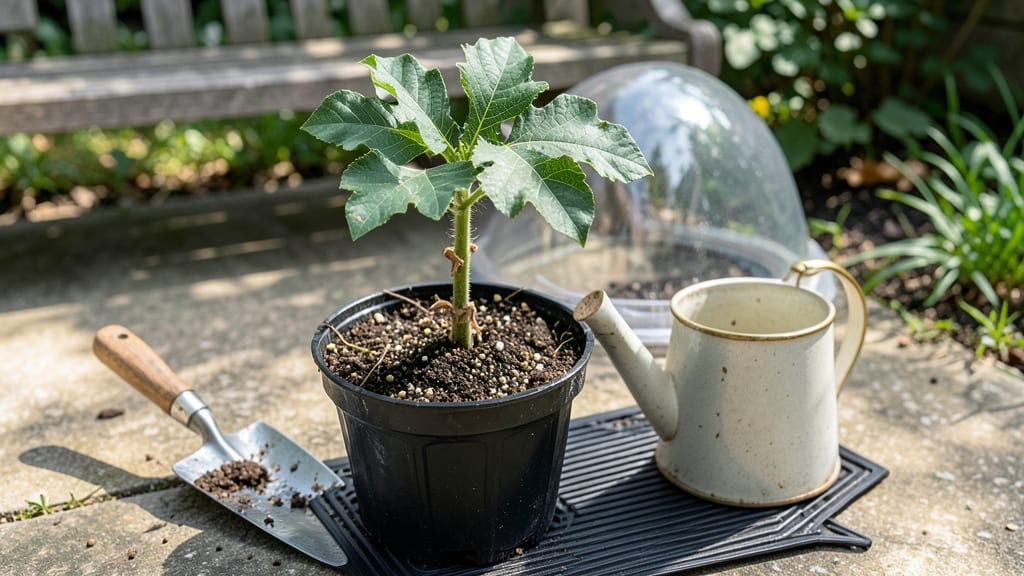
Growing a fig tree from fruit is faster than you'd expect—just 3-4 weeks to see roots when you germinate in water. 🌱 I've propagated figs this way three times, and the first time I saw those white roots curl around the glass, I knew I'd cracked the code.
This method skips the slow soil germination and gives you a head start that makes all the difference.
The secret isn't complicated—just a ripe fig, a jar of water, and a sunny windowsill. You'll need a sharp knife to slice the stem, a clear container to watch roots grow, and patience for the first signs of life.
Most people quit before the roots appear, but once you see them, you'll be hooked on this foolproof method that works even for black thumbs.
By the time you transplant that little rooted fig into soil, you'll already have a 3-6 inch starter plant ready to grow. The leaves will unfurl within weeks, and before you know it, you're pinching back new growth to shape a sturdy tree.
That first harvest of sweet, sun-warmed figs makes every step worthwhile.
Works for any fig variety—Mission, Brown Turkey, or even those tiny dessert figs from the grocery store. Just remember: figs grow fast once they start, so keep that soil moist and give them full sun. Here's how to do it without the guesswork.
📚 In This Guide
- What you need
- Instructions
- Tips and common mistakes
- Wrapping up and next steps
What you need
- ● Ripe fig fruit – Choose a fresh, organic fig with a stem (the "eye" or small bump) still attached. Pro tip: 🌡️ Avoid figs treated with preservatives or wax!
- ● Clean water – A glass or jar (8–16 oz) filled with room-temperature water.
- ● Small container – A shallow tray, seedling pot, or even a repurposed yogurt cup (4–6 inches in diameter) with drainage holes.
- ● Well-draining potting mix – A blend of 50% peat or coco coir, 30% perlite or vermiculite, and 20% compost (or a pre-mixed seed-starting mix). 💡 Avoid heavy garden soil—it retains too much moisture!
- ● Spray bottle – For gentle watering to keep the soil moist but not soggy.
- ○ Clear plastic wrap or humidity dome – To create a mini greenhouse effect (optional but speeds up germination).
- ● Bright, indirect light source – A sunny windowsill (east or south-facing) or a grow light for 12–16 hours/day.
- ● Patience! 🐢 – Germination can take 4–8 weeks (sometimes longer).
- ● Rooting hormone – A gel or powder to boost root growth when transplanting (follow package instructions).
- ● Heating mat – Keeps soil warm (70–80°F) to encourage faster sprouting.
- ● Fertilizer (low-dose) – A balanced liquid fertilizer (e.g., 5-5-5) once leaves appear, diluted to half-strength.
- ● Support stake or trellis – For when your fig tree grows taller (figs love to climb!).
- ● Journal or labels – Track watering dates, light exposure, and growth milestones.
Step-by-step instructions for growing a fig tree from fruit
Here's how to turn that grocery-store fig into a thriving tree—no fancy tools needed.
🌱 Step 1: Select and Prepare the Fruit
Pick a ripe, plump fig with no bruises or soft spots—those won’t sprout. Rinse it gently under cool water, then pat dry with a paper towel. The key is finding the stem end (where the fig attached to the branch). Look for a small bump or scar—this is your germination point.
Use a sharp knife to slice off the stem end, leaving about 1 inch of the fig attached. This little nub holds the potential for roots. Don’t worry if it looks tiny—figs are stubborn growers. Place the cut end in a glass of room-temperature water, making sure the stem is fully submerged.
💧 Step 2: Encourage Root Growth in Water
Change the water every 2-3 days to keep it fresh and oxygenated. Place the glass in a spot with bright, indirect light—a kitchen windowsill works perfectly. Avoid direct sun, which can overheat the water and stress the fig. You’ll know it’s working when tiny white root hairs appear in 2-4 weeks.
Here’s the thing—figs can be slow to start. If nothing happens after 6 weeks, try adding a pinch of cinnamon to the water (it’s a natural antifungal). But don’t overthink it. Once roots reach 1-2 inches long, it’s time to move to soil.
🪴 Step 3: Plant the Rooted Fig in Soil
Fill a 6-inch pot with well-draining potting mix—figs hate soggy roots. Make a small hole in the center and gently place your rooted fig inside, covering the roots with soil up to the base of the fruit. Press lightly to secure it, then water until moisture drains from the bottom.
Place the pot in a warm spot with 6+ hours of sunlight daily. If your fig starts leaning toward the light, rotate the pot a quarter turn every few days. Within 2-3 weeks, you’ll see new leaves unfurling—that’s your signal the transplant worked.
☀️ Step 4: Care for Your Young Tree
Water when the top 1 inch of soil feels dry, but don’t drown it. Figs need consistent moisture but despise wet feet. Once the tree hits 12 inches tall, fertilize lightly with a balanced houseplant food every 2 months in spring and summer.
Real talk: Your first figs won’t appear for 2-3 years, but the journey’s the reward. Prune leggy growth in early spring to encourage bushier shape. And if leaves yellow? It’s usually overwatering—let the soil dry out more between waterings.
Tips & tricks for growing a fig tree from fruit
Here's what I learned after growing my own fig tree from grocery-store fruit—these tricks speed up sprouting and keep your plant thriving.
Selection is Everything: Don't just grab any fig! Look for ones that are firm with a slight give when squeezed—like a ripe avocado. The stem end should have a visible bump where it attached to the branch. I've tried soft figs, and they either rot or refuse to sprout. Pro tip: Check the bottom of store-bought figs—they often still have that little stem nub attached!
Water Temperature Matters: Room-temperature water is key—don't use cold water straight from the fridge or tap. Cold water can shock the fig and slow root growth. I keep my glass of water on the counter for 30 minutes before adding the fig to let it warm up. You'll see roots appear faster this way, usually within those 2-4 weeks mentioned in Step 2.
Light Position Strategy: That bright, indirect light spot is crucial, but here's the secret: rotate your glass every 3-4 days. Figs will naturally grow toward the light, which can make them lopsided. I place mine on my kitchen windowsill in the morning and move it to a different window by afternoon. This keeps your future tree balanced from the start.
Root Growth Rescue: If you're at the 6-week mark with no roots, don't give up! Try this trick: remove the fig from water, gently scrape any mold off the stem with a clean toothpick, then place it in fresh, room-temperature water with a pinch of cinnamon. I've seen roots appear within days after this treatment. The cinnamon acts like a natural fungicide while keeping the water fresh.
Pro Tips for Grow Fig Tree From Fruit
- Here's what I learned after growing my own fig tree from grocery-store fruit—these tricks speed up sprouting and keep your plant thriving.
- Selection is Everything: Don't just grab any fig!
- Water Temperature Matters: Room-temperature water is key—don't use cold water straight from the fridge or tap.
Frequently asked questions
Got questions about growing a fig tree from fruit? You’re not alone—this method is exciting but can feel tricky at first! Below, we’ve rounded up the most common questions (and answers) to help you avoid pitfalls and grow with confidence.
Can I grow a fig tree from any fig fruit, or does it need to be organic?
You can propagate from most fresh, ripe figs—organic or not—but organic fruit is ideal. Avoid figs treated with preservatives or wax coatings, as these may hinder germination. If you’re unsure, opt for homegrown or farmers' market figs for the best results.
How long does it take for a fig seed to sprout in water?
Patience is key! Fig seeds typically sprout in 3–6 weeks when kept in warm water (around 70°F). Some may take longer, especially if the fruit is overripe or stored for a while. Check daily for tiny white roots—once they’re 1–2 inches long, it’s time to plant!
What if my fig seed doesn’t sprout? How can I troubleshoot?
Don’t worry—fig seeds are finicky! Try these fixes:
- Refresh the water: Change it every 2–3 days to prevent mold or stagnation.
- Warmth boost: Place the jar near a sunny window or use a heat mat (figs love warmth!).
- Scratch the seed: Gently nick the hard outer shell with sandpaper to help water penetrate.
- Patience: Some seeds take months—don’t give up after 2 months!
Can I grow a fig tree indoors, or does it need outdoor conditions?
Fig trees can thrive indoors, but they’re happiest outdoors in USDA zones 8–11. If growing inside, place it near a south-facing window (6+ hours of light) and supplement with a grow light. Outdoors, choose a spot with full sun and well-draining soil—figs hate soggy roots!
Will my homegrown fig tree produce fruit like the parent plant?
Probably not! Fig trees grown from seed are unpredictable—they may produce smaller, different-tasting fruit or even none at all for years. For reliable fruit, graft a known variety onto your seedling or buy a rooted cutting. Think of seed-grown figs as a fun experiment (and a future shade tree!).
Wrapping up and next steps
Growing a fig tree from fruit is a rewarding journey that blends patience with the joy of nurturing life! 🌱 With just a ripe fig, water, and a little care, you can watch roots sprout and a tiny tree take shape.
Remember, consistency is key—whether you’re adjusting humidity, providing sunlight, or troubleshooting pests, each step brings you closer to a thriving plant.
Now that you’re armed with the know-how, why not start today? Grab a fig from your kitchen, follow the steps, and enjoy the process. Before you know it, you’ll be harvesting your own sweet, homegrown fruit—or even sharing cuttings with fellow plant lovers. Happy growing! 🌿