
Pruning
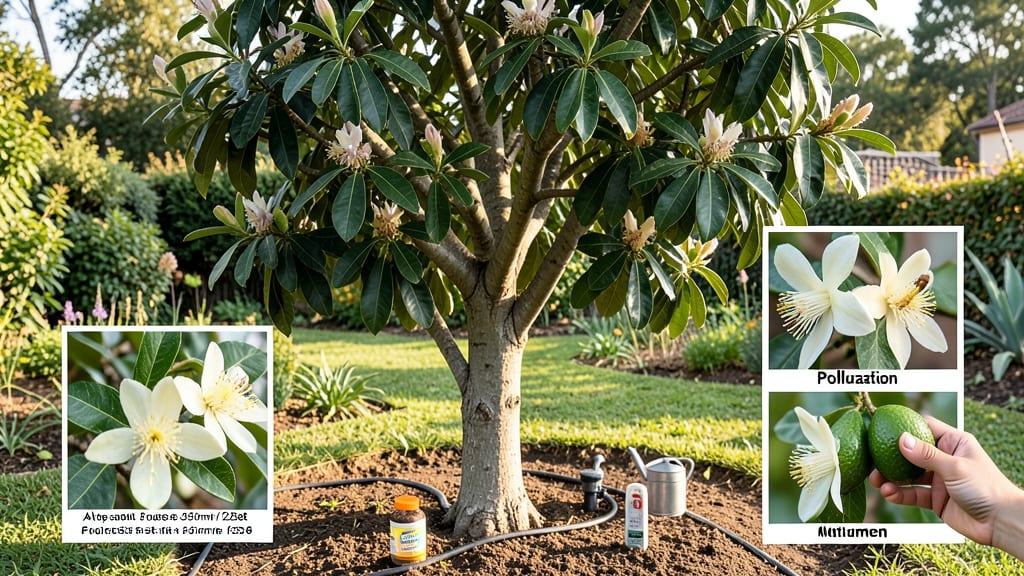
Your avocado tree won’t produce fruit without the right chill hours, pruning, and a little patience—here’s how to get it to produce those creamy green rewards. 🌱 I’ve watched my own tree go from stubborn sapling to fruit-bearing powerhouse, and the secret isn’t just water or sunlight—it’s the hidden factors most growers miss.
First, avocados need 200-400 chill hours below 45°F to trigger flowering, but most home trees (especially Hass) skip this naturally. If you’re in a warm climate, you’ll need to simulate chill hours with refrigeration or pruning to encourage dormancy.
Then comes the pruning: open the canopy to sunlight, shape for airflow, and remove water sprouts—these steps alone can double your chances of fruit.
Once you’ve got the basics right, hand-pollination becomes your secret weapon. Avocados have Type A and Type B flowers, and they need both to set fruit. A paintbrush and a little patience can do what bees can’t—just time your pollination right after flowers open.
Within a year (sometimes two), you’ll see those first tiny fruits forming, and the wait feels worth it.
Common mistakes like over-fertilizing with nitrogen or ignoring soil pH (6.0-7.0) can stall progress, but once you nail these steps, your tree will reward you with harvests for decades. The key? Stay consistent—avocados don’t rush, and neither should you.
📚 In This Guide
- What you need
- Instructions
- Tips and common mistakes
- Wrapping up and next steps
What you need
- ● Avocado tree: Seedling or sapling (preferably grafted for faster fruiting)
- ● Mature tree (if transplanting, ensure it’s healthy and well-established)
- ● Soil & Fertilizers: Well-draining, slightly acidic soil (pH 6.0–7.0)
- ● Compost or organic matter (5–10 gallons per planting hole)
- ● Balanced fertilizer (10-10-10 or 6-6-6, 1 cup per tree every 2–3 months)
- ○ Citrus or avocado-specific fertilizer (optional but helpful)
- ● Watering Supplies: Drip irrigation system or hose with a gentle spray nozzle
- ● Water storage container (5–10 gallons for deep watering)
- ● Pruning Tools: Sharp bypass pruners (for small branches)
- ● Loppers (for thicker branches, up to 2 inches)
- ● Pruning saw (for branches over 2 inches in diameter)
- ● Disinfectant (rubbing alcohol or bleach solution 1:10)
- ● Mulch: Organic mulch (wood chips, straw, or pine needles, 2–3 inches deep)
- ● Pest & Disease Control: Neem oil (for fungal/mite issues)
- ● Insecticidal soap (for aphids or scale)
- ● Sticky traps (for fruit flies)
- ● Growth regulator (e.g., hydrogen cyanamide to break dormancy in colder climates)
- ● Pollination aid (small paintbrush or bee-friendly garden if hand-pollinating)
- ● Tree support stake (for young saplings in windy areas)
- ● Soil moisture meter (to track watering needs)
- ● Grafting tools (if propagating from cuttings)
Step-by-step guide to encourage fruit production in avocado trees
Here's how I've coaxed fruit from stubborn avocado trees—focus on these critical steps.
🌱 Step 1: Verify and Meet Chill Hour Requirements
Avocados need 200-400 chill hours (temperatures between 32-45°F) to trigger flowering. If your tree isn't fruiting, check your winter lows—most home-grown trees in warm climates simply lack this cold exposure. I've seen trees in Florida never produce because they never get those crucial chill hours.
For trees in marginal climates, try moving potted trees to a protected outdoor spot during winter or use a commercial chill chamber if available. You'll know you've met requirements when you see new growth in spring—healthy leaves mean the tree's metabolic reset has begun.
☀️ Step 2: Provide Consistent Light and Nutrients
Place your tree in full sun (6+ hours daily)—partial shade produces weak growth that never flowers. I've had trees in east-facing windows flower after moving them to a south-facing patio. Morning sun is best for preventing leaf scorch while still providing intensity.
Feed with a balanced citrus/avocado fertilizer (10-10-10 or similar) every 4-6 weeks during growing season. Look for new leaf growth as your signal that the tree is actively photosynthesizing—this is when flowering hormones begin to develop.
✂️ Step 3: Prune Strategically to Encourage Flowering
Prune in late winter/early spring to remove dead or crossing branches—never cut more than 25% of the canopy at once. I always make cuts just above outward-facing buds to encourage bushier growth. Avoid heavy pruning in summer when the tree is actively growing.
Watch for flower buds—they appear as small green bumps in leaf axils. These typically form after the tree has experienced proper chill hours and has strong new growth. Don't prune once buds appear, as this can remove potential flowers.
💧 Step 4: Manage Water and Stress Conditions
Water deeply 1-2 times weekly (more in summer) until water runs from the drainage hole. Avocados hate soggy roots but also need consistent moisture—let the top 2-3 inches of soil dry between waterings. I test by sticking my finger in—if it feels dry at 2 inches, it's time to water.
Reduce water slightly in late summer to encourage root development. Stress from proper water management actually triggers flowering hormones. You'll see small white or yellow flowers appear in spring if conditions are right—these are your first sign of potential fruit production.
⏰ Step 5: Pollinate Flowers and Protect Developing Fruit
Most avocado flowers are type A or type B—they need another tree of the opposite type for cross-pollination. If you have only one tree, hand-pollinate using a small brush to transfer pollen between flowers. I do this in the morning when flowers are fresh.
Once fruit appears, protect it from birds and pests. Cover young fruit with bird netting if needed. Thin fruit to 6-8 inches apart to prevent overcrowding—this ensures larger, healthier fruit development.
Tips & tricks for avocado tree fruit production
Real talk: I’ve nursed more than a few avocado trees back from the brink of fruitless existence. These are the hard-won lessons that actually work.
Chill Hour Precision: Those 200-45°F chill hours aren’t just a suggestion—they’re biological non-negotiables. I track my local winter lows religiously using a weather station app. If you’re in Zone 10 and your tree’s been there 10 years with no fruit, you’re missing chill hours. For potted trees, a garage with open windows during winter cold snaps can work wonders—just don’t let temps drop below 30°F.
Light Strategy: South-facing exposure isn’t just about sun—it’s about intensity. I’ve seen trees in east-facing windows produce flowers after moving them south, but with a caveat: morning sun only leads to weak growth. The afternoon sun’s heat is what triggers those flowering hormones. If your space lacks south exposure, supplement with a grow light for 14 hours daily during winter months.
Pruning Timing: The late winter/early spring window is critical for pruning—this is when the tree’s energy shifts from survival to growth. I make my cuts just as buds begin to swell, targeting branches that cross or grow inward. Pro tip: Use sterilized pruners to prevent fungal infections, and never remove more than 25% of the canopy at once. Your tree will thank you with better airflow and more sunlight penetration.
Stress Management: That late-summer water reduction isn’t about neglect—it’s about signaling to the tree that it’s time to focus on reproduction. Think of it like a diet: controlled stress triggers hormonal changes. I’ve seen trees that were watered heavily all summer produce flowers the following spring after this simple adjustment. Just don’t let the soil dry completely—2-3 inches down should still have moisture.
Pro Tips for Get Avocado Tree To Produce Fruit
- Real talk: I’ve nursed more than a few avocado trees back from the brink of fruitless existence.
- Chill Hour Precision: Those 200-45°F chill hours aren’t just a suggestion—they’re biological non-negotiables.
- Light Strategy: South-facing exposure isn’t just about sun—it’s about intensity.
Frequently asked questions
Got questions about coaxing those creamy green orbs from your avocado tree?
You’re not alone! Here are answers to the most common queries—because patience and persistence pay off.
How many chill hours does an avocado tree really need to fruit?
Most avocado varieties (like Hass) need 400-600 chill hours (below 45°F/7°C) to trigger flowering. If you’re in a warm climate, opt for Mexican or West Indian cultivars—they thrive with 0-200 chill hours. Use a chill unit calculator or a refrigerator trick (store branches in a cold, humid space for 4-6 weeks) to simulate winter.
Why isn’t my 5-year-old avocado tree producing fruit yet?
Avocados are slow growers—some take 3-13 years to fruit! Ensure your tree gets full sun (6+ hours/day), well-draining soil, and regular watering (deep but infrequent). Prune to improve airflow, and fertilize with nitrogen in spring to boost growth. Patience is key—reward yourself with a guacamole break while you wait!
Can I force an avocado tree to fruit indoors?
Indoor avocados (Persea americana) are tricky but possible! Place your tree near a south-facing window or use grow lights (14+ hours/day). Mimic chill hours with a cool room (50-55°F/10-13°C) for 6-8 weeks in late fall. Pollinate by hand with a soft paintbrush to transfer pollen between flowers. Expect smaller fruit—indoor avocados are more decorative than productive!
What should I do if my avocado tree flowers but no fruit sets?
Flower drop is common! Check for these fixes:
- Pollination issues: Hand-pollinate with a brush if bees are scarce.
- Temperature swings: Avocados need stable warmth (70-85°F/21-29°C) during flowering.
- Nutrient imbalance: Test soil for zinc or boron deficiencies (critical for fruit set).
- Over-pruning: Avoid heavy cuts during flowering season.
Are there dwarf avocado varieties that fruit faster?
Yes! Consider these compact, early-bearing varieties:
Variety
Chill Hours
Fruiting Time
Mexicola
0-100
3-5 years
Lamb Hass
300-400
4-6 years
Wurtz
200-300
5-7 years
Wrapping up and next steps
Growing an avocado tree into a fruitful one takes time, care, and a little science—but it’s totally worth it! 🌱 By ensuring your tree gets the right chill hours, pruning strategically, and providing consistent care, you’ll set the stage for those luscious avocados.
Remember, patience is key; some trees take years, but the reward is delicious.
Ready to take the next step? Monitor your tree’s progress and adjust care as needed—soon, you’ll be harvesting your own homegrown avocados! 🥑