
Plants
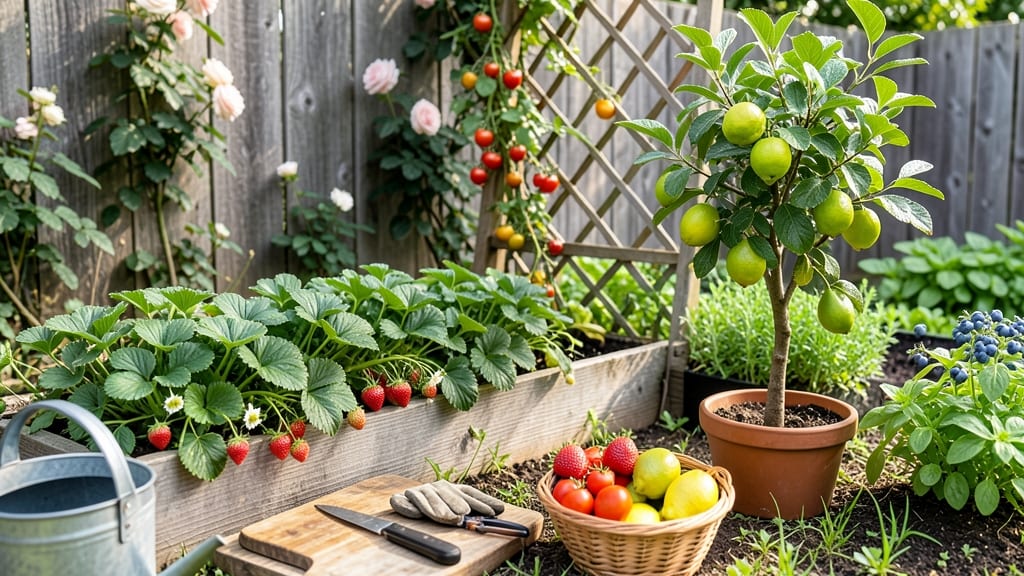
Growing your own fruits at home isn't just possible—it's simpler than you think. 🌱 From juicy strawberries to sweet tomatoes, home-grown fruits deliver freshness and flavor store-bought produce can't match, with minimal effort once you get started.
The key lies in choosing the right varieties for your space and climate, then providing just enough care to let nature do the rest.
Start with beginner-friendly options like strawberries, which thrive in containers or small garden beds, or tomatoes, which produce abundant harvests even in limited sunlight. Citrus trees like dwarf Meyer lemons work beautifully in pots, while berries like blueberries and raspberries reward patience with years of fruit.
The foundation is good soil, consistent watering, and a sunny spot—no fancy equipment required.
You'll quickly notice the difference in taste and texture compared to grocery store fruits. Home-grown strawberries stay sweet and firm, tomatoes burst with juice, and citrus stays fragrant until the last slice. The best part? You avoid pesticides and enjoy the satisfaction of harvesting what you've nurtured.
Common mistakes like overwatering or poor soil are easy to fix once you recognize the signs—yellow leaves, slow growth, or fruit that doesn't develop properly. With a few adjustments, your plants will bounce back stronger than ever.
Whether you're working with a balcony, backyard, or windowsill, these fruits adapt well to small spaces and low-maintenance routines.
📚 In This Guide
- What you need
- Instructions
- Tips and common mistakes
- Wrapping up and next steps
What you need
- ● Fruit-bearing plants: Dwarf fruit trees (e.g., apple, peach, or citrus) – 1-3 plants (choose self-pollinating or pair compatible varieties)
- ● Berry bushes (e.g., strawberry, raspberry, or blueberry) – 2-4 plants (depending on space)
- ● Vining fruits (e.g., grapes or kiwi) – 1-2 plants (with trellis support)
- ● Soil & amendments: High-quality potting mix or garden soil (sterilized to prevent disease) – 5-10 gallons
- ● Compost or organic matter (e.g., aged manure, worm castings) – 2-3 cups per plant
- ● Slow-release fruit-specific fertilizer (e.g., 10-10-10 NPK) – 1-2 lbs per season
- ● Containers or garden bed: Large pots (minimum 15-20 gallons) or raised beds (12" deep x 3' wide)
- ● Drainage holes (if using containers) + gravel or perlite (2-3 inches at the bottom)
- ● Watering & care: Drip irrigation system or watering can (3+ gallons)
- ● Mulch (e.g., straw, wood chips, or pine needles) – 2-3 inches around plants
- ● Pruning tools: Bypass pruners (sharp, clean) – 1 pair
- ● Loppers (for thicker branches) – 1 pair
- ○ Hand saw (for large limbs) – 1 (optional for mature trees)
- ● Trellis or stakes (6-8 ft tall) for vining plants
- ● Fruit tree cages (to deter pests like birds or deer)
- ● pH testing kit (to monitor soil acidity, especially for blueberries)
- ● Organic pest control (e.g., neem oil, diatomaceous earth)
- ● Growth regulators (e.g., fruit thinners for apples/pears)
How to plan a low-maintenance year-round fruit garden
Here’s how to create a thriving fruit garden that requires minimal pruning while delivering continuous harvests.
🌱 Step 1: Select the Right Fruits for Minimal Pruning
Focus on varieties bred for compact growth and disease resistance. Dwarf fruit trees like Apple ‘Liberty’ or Peach ‘Bonanza’ stay small and produce heavily with minimal pruning. For berries, blueberries in containers and everbearing raspberries yield fruit year-round with just seasonal trimming. Citrus like Meyer lemon thrive in pots and rarely need structural pruning.
I avoid traditional full-size trees—they demand heavy pruning to manage size and shape. Instead, I choose varieties that naturally stay contained. Check your USDA hardiness zone to select cold-hardy options like arctic kiwi or juneberry for northern climates, or fig and pomegranate for warmer regions. These fruits reward patience with minimal effort.
🪴 Step 2: Plant in Optimal Locations for Year-Round Production
Place fruit plants where they receive 6-8 hours of sunlight daily—most fruits need full sun to set fruit. For berries, I use raised beds with 12-18 inches of depth to ensure good drainage and root health. Containers work well for citrus, figs, and dwarf fruit trees, but ensure pots have drainage holes and are at least 12 inches deep.
Group plants by water needs to simplify irrigation. For example, blueberries need consistently moist, acidic soil, while figs tolerate drought once established. Mulch with 3-4 inches of organic mulch (like wood chips) to retain moisture, suppress weeds, and regulate soil temperature. This reduces watering frequency by up to 30%, cutting maintenance time significantly.
☀️ Step 3: Implement a Seasonal Pruning Schedule
Prune once in late winter (just before buds swell) to remove dead or crossing branches. For berries, I cut back old canes after harvest to encourage new growth. Dwarf fruit trees only need light shaping pruning—removing suckers and water sprouts keeps them compact. Citrus and figs rarely need pruning unless they grow leggy, in which case I trim just the tips to encourage bushier growth.
Here’s the key: Prune for airflow, not aesthetics. Thin branches to allow sunlight and air to reach the center of the plant, which prevents fungal diseases like powdery mildew. Use clean, sharp pruners and make cuts at a 45-degree angle just above a bud or branch junction. Avoid heavy pruning—most fruits produce best when left mostly intact.
💧 Step 4: Water and Fertilize Strategically
Water deeply once a week during dry spells, aiming for 1-1.5 inches of water per session. Drip irrigation or soaker hoses deliver moisture directly to roots, reducing evaporation and weed growth. For container-grown fruits, water when the top inch of soil feels dry—citrus and figs in pots dry out faster than in-ground plants.
Fertilize lightly in early spring and mid-summer with a balanced organic fertilizer (like 10-10-10). Over-fertilizing leads to excessive leaf growth at the expense of fruit production. I also add compost annually to improve soil structure and provide slow-release nutrients. Avoid high-nitrogen fertilizers—they encourage foliage but reduce fruit set.
⏰ Step 5: Harvest and Maintain for Continuous Production
Pick fruits when fully ripe—this encourages the plant to produce more. For berries, I harvest every 2-3 days during peak season to prevent overripe fruit from spoiling. With dwarf trees, I harvest as needed, but I never remove more than one-third of the fruit at a time to avoid stressing the plant.
After harvest, clean up fallen fruit and debris to reduce pests and diseases. For everbearing varieties like raspberries, I prune spent canes immediately to redirect the plant’s energy into new growth. Store harvested fruits in a cool, dry place or process them into jams, jellies, or dried fruits to extend their shelf life. This keeps your bounty fresh and reduces waste.
Tips & tricks for perfect year-round fruit gardening
Here's what I've learned after years of growing low-maintenance fruit gardens—these tricks save time and boost yields without the fuss.
Variety Selection Wisdom: When choosing dwarf fruit trees like Apple 'Liberty' or Peach 'Bonanza', look for labels that specify "dwarf" or "semi-dwarf" rather than just "small". The true dwarf varieties stay under 6 feet tall, while semi-dwarfs can reach 12-15 feet and still produce heavily with minimal pruning. For berries, I've found that everbearing raspberries actually produce better when you leave some old canes standing—contrary to what most pruning guides suggest.
Sunlight Optimization: The 6-8 hours of sunlight requirement is non-negotiable, but you can maximize it by planting taller varieties like citrus or figs on the southern side of your garden (in northern hemisphere) to provide shade for shorter plants during peak afternoon sun. For container-grown fruits, rotate pots every few weeks to ensure even sun exposure all around the plant—this prevents lopsided growth and improves fruit set.
Pruning Strategy: That late winter pruning session is your chance to really shape your plants for the season. I always make a point to prune in dry weather to reduce disease risk, and I use rubbing alcohol to sterilize my pruners between cuts. For berries, I mark old canes with surveyor's tape before cutting—this helps me visualize where new growth will emerge. Remember that citrus and figs are particularly sensitive to over-pruning, so when you do trim them, focus only on removing dead wood or leggy growth.
Watering Efficiency: The once-weekly watering guideline works well in most climates, but I've found that checking soil moisture with a simple screwdriver works better than relying on a calendar. Push the screwdriver 3 inches into the soil—if it comes out clean, it's time to water. For container plants, I use self-watering pots with moisture meters to prevent both underwatering and root rot. The key is consistency: blueberries need that acidic, moist soil, while figs will actually produce more fruit if you let them dry out slightly between waterings.
Pro Tips for Home Grown Fruits
- Here's what I've learned after years of growing low-maintenance fruit gardens—these tricks save time and boost yields without the fuss.
- Variety Selection Wisdom: When choosing dwarf fruit trees like Apple 'Liberty' or Peach 'Bonanza', look for labels that specify "dwarf" or "semi-dwarf" rather than just "small".
- For container-grown fruits, rotate pots every few weeks to ensure even sun exposure all around the plant—this prevents lopsided growth and improves fruit set.
Frequently asked questions
Got questions about growing your own fruits? You’re not alone!
Here are some of the most common queries—and their straightforward answers—to help you cultivate a thriving home-grown fruit garden with ease.
What are the easiest fruits to grow for beginners?
Start with low-maintenance picks like strawberries (container-friendly!), blueberries (acid-loving but resilient), or figs (drought-tolerant once established). Dwarf citrus trees (like Meyer lemons) are also great for small spaces—just ensure they get plenty of sunlight!
How long does it take for home-grown fruits to bear fruit?
Timing varies! Strawberries may produce fruit in as little as 6 months, while apple trees can take 3–5 years to bear. Blueberries and raspberries typically fruit within 1–2 years. Patience pays off—choose fast-growing varieties if you’re eager for harvests!
Can I grow fruits in containers, or do I need a yard?
Many fruits thrive in containers, including strawberries, dwarf citrus, cherry tomatoes (technically a fruit!), and even bush-type berries like raspberries. Just ensure containers have drainage holes, use well-draining soil, and place them in 6+ hours of sunlight daily. Balconies, patios, and windowsills work wonders!
What’s the best way to protect home-grown fruits from pests?
Prevention is key! Use row covers for early pests, neem oil (a natural repellent), or introduce beneficial insects like ladybugs. For birds, try netting over ripening fruit. Healthy plants = fewer pests—water consistently, prune regularly, and avoid over-fertilizing to keep your fruits pest-resistant.
How do I know when home-grown fruits are ripe and ready to pick?
Ripeness cues vary by fruit:
- Berries (strawberries, blueberries): Fully colored, slightly soft to touch, and easy to pluck.
- Stone fruits (peaches, plums): Yield gently when shaken; skin may blush or darken.
- Citrus (lemons, oranges): Bright color, firm but not hard, and fragrant.
- Tomatoes: Deep color (even if not red), slightly soft, and a sweet aroma near the stem.
When in doubt, pick early—unripe fruit can ripen indoors (except stone fruits, which don’t ripen well off the vine).
Wrapping up and next steps
Growing your own fruits at home isn’t just rewarding—it’s doable with the right variety and minimal effort! Whether you’re a beginner or a seasoned gardener, home-grown fruits like berries, citrus, or stone fruits can thrive with smart planning and care.
The key is choosing low-maintenance plants and embracing seasonal cycles to enjoy a year-round bounty.
Ready to take the next step? Start small—pick one or two easy-to-grow fruits—and watch your garden transform into a delicious, vibrant space. Your future self (and taste buds) will thank you! 🌱🍓