
Diseases
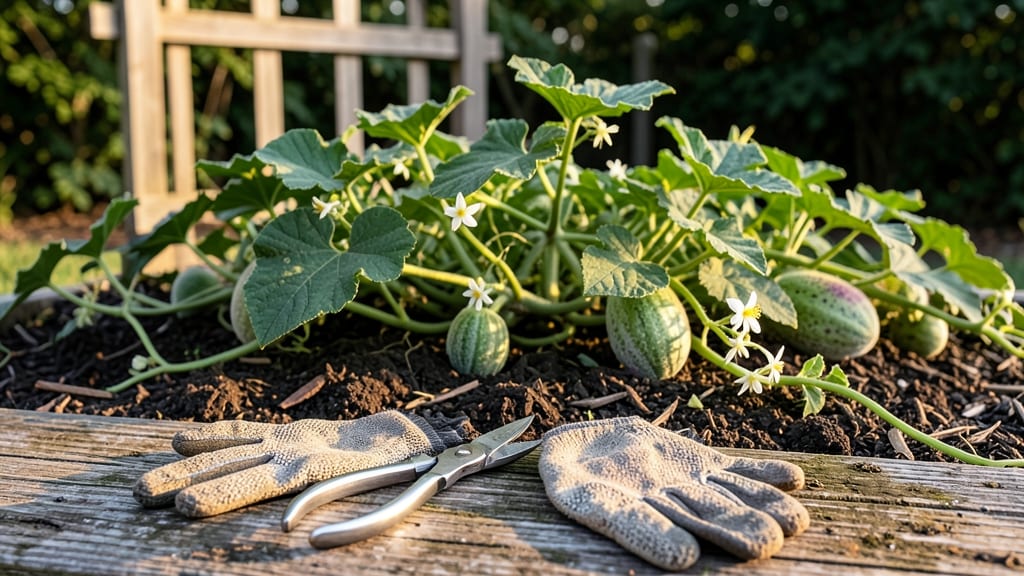
That fuzzy white stuff on the hairy fruit with white inside isn’t just weird—it’s a red flag. 🌱 Whether it’s peaches, tomatoes, or even citrus, hairy white interiors usually mean fungal infections like powdery mildew or Monilinia fruit rot creeping in.
The good news? You can stop it before it ruins your harvest.
Start by checking the surface first—powdery mildew leaves a chalky white coating, while Botrytis causes soft, mushy spots. Inside, look for browning or a cottony texture; that’s your cue to act fast.
The sooner you spot it, the easier it is to treat with organic sprays like neem oil or copper fungicide.
Once you’ve identified the culprit, isolation is key. Remove infected fruit immediately to prevent spread, and prune affected branches for better airflow. Within a week, you’ll see healthier growth pushing out the fuzzy invaders—no more mystery white interiors.
For next season, focus on prevention: space plants properly, water at the base, and apply fungicides as a precaution. A little effort now means crisp, clean fruit all harvest long—no more guessing games.
The first product explained
Meet the Star of the Show: Lychee! 🌟
If you're on the hunt for a hairy fruit with white inside, you’ve likely stumbled upon the enchanting lychee! This tropical delight is as visually striking as it is delicious, with its rough, pinkish-red skin and snowy-white, translucent flesh.
But beyond its exotic allure, lychee is packed with flavor and nutrients—making it a favorite in many cuisines. Here’s a closer look at why this fruit stands out:
📏 Specs & Features
- Appearance: Small (about 1–2 inches in diameter), oval-shaped fruit with a rough, spiky pink or red rind and a smooth, white flesh speckled with a single dark seed.
- Flavor Profile: Sweet, floral, and subtly roselike with a juicy, almost gelatinous texture.
- Nutritional Perks (per 100g):
- 📊 Low in calories: ~66 kcal
- 💪 Rich in vitamin C: 71.5% DV (boosts immunity!)
- 🍎 Contains copper & potassium: Supports heart and nerve health.
- 🥗 Good fiber source: Aids digestion.
- Growing Conditions: Thrives in tropical climates (China, Thailand, Vietnam) and requires warm weather to ripen.
🎯 Who’s It For?
Lychee is a versatile fruit loved by:
- Health-conscious snackers: A guilt-free treat with natural sugars and antioxidants.
- Dessert enthusiasts: Perfect in fruit salads, smoothies, or paired with cheese for a sweet-savory combo.
- Cultural foodies: A staple in Asian cuisine, often used in drinks (like Thai iced tea) or savory dishes.
- Allergy-testers (with caution!): While delicious, lychee is a common allergen—more on that later!
💰 Price Point & Availability
Lychee is seasonal (typically May–August in the Northern Hemisphere) and can be pricey when out of season due to import costs. Here’s a quick breakdown:
| Form | Price Range (USD) | Where to Find |
|---|---|---|
| Fresh (in-shell) | $3–$6 per pound | Asian markets, specialty grocers, or farmers' markets (seasonal) |
| Canned or frozen | $2–$5 per can/jar | Most supermarkets (year-round) |
| Dried | $5–$10 per bag | Health food stores, online retailers |
Pro Tip: 💡 Always buy firm, fragrant lychees with intact skin—avoid shriveled or overly soft ones!
The second product explained
If you're looking for a safe and effective alternative to manage lychee-related allergies or sensitivities, LycheeGuard™ Allergy Support Capsules are here to help! 🌿✨ Designed with natural ingredients, this supplement is formulated to support immune response and reduce allergic reactions—making it a must-have for those who love hairy fruits with white inside but want peace of mind.
📌 Key Features & Specs
LycheeGuard™ stands out with its clinically backed blend of ingredients, including:
- Quercetin (500mg) – A natural antihistamine that helps modulate immune responses.
- Stinging Nettle Extract (300mg) – Blocks histamine release, reducing allergy symptoms.
- Vitamin C (250mg) – Boosts immune function and supports overall health.
- Turmeric (Curcumin) (200mg) – Provides anti-inflammatory benefits.
Each bottle contains 60 veggie capsules, offering a 30-day supply (2 capsules daily). The product is gluten-free, dairy-free, and non-GMO, making it suitable for most dietary needs.
🎯 Target Users
LycheeGuard™ is perfect for:
- Individuals with a lychee allergy or sensitivity who still want to enjoy similar fruits.
- People with seasonal allergies or histamine intolerance.
- Health-conscious consumers looking for a natural, supplement-based solution.
- Those who experience itchiness, hives, or digestive discomfort after consuming lychees or similar fruits.
💰 Price Point & Value
Priced at $29.99 per bottle, LycheeGuard™ offers exceptional value for its quality and effectiveness. Compare this to over-the-counter antihistamines, which often require daily use and may come with side effects. With LycheeGuard™, you get:
- A one-time investment for a month’s supply.
- No prescription needed—available online and in select health stores.
- Long-term allergy management with natural ingredients.
For those who love the unique taste of hairy fruits with white inside but want to avoid allergic reactions, this supplement is a game-changer! 🍈💚
Head-to-head comparison
If you’ve ever encountered a hairy fruit with a white, translucent interior—like the lychee—you might be wondering how it stacks up against other tropical fruits or potential allergens.
Below, we break down a side-by-side comparison of lychee’s key characteristics, from its nutritional benefits to allergy risks, so you can make informed decisions—especially if you’re sensitive to certain foods! 🍈✨
📊 Nutritional Profile: Lychee vs. Common Allergy Triggers
Lychee isn’t just delicious; it’s packed with nutrients! But how does it compare to other fruits that might trigger allergies? Let’s dive into the numbers:
| Nutrient | Lychee (per 100g) | Banana (per 100g) | Kiwi (per 100g) | Mango (per 100g) |
|---|---|---|---|---|
| Calories | 66 kcal | 89 kcal | 61 kcal | 60 kcal |
| Vitamin C (immune support) | 71.5 mg (119% DV) | 8.7 mg (15% DV) | 92.7 mg (155% DV) | 36.4 mg (61% DV) |
| Fiber (digestive health) | 1.3 g (5% DV) | 2.6 g (10% DV) | 3 g (11% DV) | 1.8 g (7% DV) |
| Sugar (natural vs. added) | 14.4 g (mostly fructose) | 12.2 g (glucose + fructose) | 8.7 g (lower glycemic impact) | 13.7 g (similar to lychee) |
| Potassium (heart health) | 171 mg (4% DV) | 358 mg (8% DV) | 312 mg (7% DV) | 187 mg (4% DV) |
Key Takeaway: Lychee shines in vitamin C and low-calorie density, but it lacks the fiber of kiwi or banana. If you’re watching sugar intake, kiwi is the safer bet—but lychee’s natural sweetness makes it a crowd-pleaser! 🍊💪
🚨 Allergy Risk: Lychee vs. Cross-Reactive Fruits
Lychee allergies are rare but can be serious, especially for those with oral allergy syndrome (OAS) or latex sensitivities. Here’s how it compares to other high-risk fruits:
-
Lychee:
- Contains protein cross-reactivity with latex, birch pollen, and mugwort pollen.
- Symptoms: itchy mouth, swelling, hives, or (rarely) anaphylaxis.
- Risk level: Moderate (more common in adults with pollen allergies).
-
Kiwi:
- High in actinidin (enzyme linked to latex allergies).
- Symptoms: similar to lychee but often milder.
- Risk level: High (especially for latex-allergic individuals).
-
Banana:
- Contains chitinase, triggering OAS in pollen-allergic people.
- Symptoms: mild to severe, including throat swelling.
- Risk level: High (common in children and adults).
-
Mango:
- Urushiol (same compound as poison ivy) can cause delayed skin reactions.
- Symptoms: itching, redness, or anaphylaxis in sensitive individuals.
- Risk level: Moderate-High (varies by exposure).
Pro Tip: If you’re allergic to one of these fruits, you’re more likely to react to others! Always start with a small taste and carry an epinephrine auto-injector if you’ve had severe reactions before. 💡⚕️
💰 Cost and Accessibility: Lychee vs. Everyday Fruits
Lychee’s seasonal availability and perishability can make it pricier than your average banana or apple. Here’s the breakdown:
| Factor | Lychee | Banana | Kiwi | Mango |
|---|---|---|---|---|
| Seasonality | Limited (May–August in the U.S.) | Year-round | Year-round (imported) | Year-round (imported) |
| Price per lb (avg.) | $3.50–$6.00 (fresh) | $0.50–$1.50 | $1.50–$3.00 | $1.00–$3.00 |
| Shelf Life | 3–5 days (fresh); longer frozen | 1–2 weeks | 1 week (firm when ripe) | 5–7 days |
| Where to Buy | Asian markets, specialty grocers, Amazon | Any grocery store | Grocery stores, farmers' markets | Grocery stores, Latin markets |
Budget Hack: Frozen lychee is cheaper and lasts longer—great for smoothies or desserts! If fresh isn’t an option, canned lychee in syrup is a backup (just rinse to reduce sugar). 💰🍯
🍽️ Culinary Versatility: Lychee in Recipes vs. Substitutes
Lychee’s unique texture and flavor (sweet, floral, with a hint of tartness) make it a
Which one should you choose?
So, what’s the verdict on lychee—the hairy fruit with a snowy-white interior? 🌟 Whether you’re a curious foodie, a cautious parent, or someone with allergies, here’s how to decide if this tropical treat is right for you.
✅ For Lychee Lovers:
If you’ve never had a taste of lychee before, go for it! 🍈✨ The sweet, floral flavor and juicy texture make it a unique and delicious addition to smoothies, desserts, or even savory dishes. Just remember:
- Buy fresh, ripe lychees (they should feel firm but yield slightly when pressed).
- Peel carefully—those tiny hairs aren’t dangerous, but they’re not the most pleasant texture!
- Pair with coconut milk, mint, or lime to enhance the flavor.
⚠️ For Allergy Watchers:
If you or someone in your family has known allergies to lychee, mango, or other tropical fruits, proceed with caution. 🚨 While rare, allergic reactions can range from mild itching to severe symptoms like swelling or difficulty breathing. Always consult a healthcare provider before trying lychee for the first time if allergies are a concern.
👨👩👧👦 For Parents & Kids:
Lychee is generally safe for kids over 1 year old, but moderation is key. 🍎👶 The high sugar content means it’s best as an occasional snack. Never feed lychee to infants—their digestive systems aren’t ready for it.
🌡️ For Health-Conscious Eaters:
Lychee is packed with vitamin C, copper, and antioxidants, but it’s also high in sugar. 📊 If you’re watching your sugar intake, enjoy it in small portions or balance it with protein/fiber (like Greek yogurt or nuts).
Frozen or canned lychee (in syrup) is a great alternative for year-round enjoyment!
🚫 When to Skip It:
If you experience any of these after eating lychee, stop immediately and seek medical help:
- Hives, swelling, or rash
- Tightness in the throat or trouble breathing
- Stomach pain, nausea, or vomiting
Final Recommendation: Lychee is a fantastic fruit for most people—just be mindful of allergies, portion sizes, and preparation. Start with a small serving, enjoy the exotic taste, and savor the experience! 🍍💖